How to Plan Spare-Piece Fulfillment for Stainless Steel Cutlery Wholesale Customers
How to Plan Spare-Piece Fulfillment for Stainless Steel Cutlery Wholesale Customers
For wholesalers, retailers, hospitality suppliers, and private-label brands, a cutlery set is not always the end of the customer relationship. A spoon may be misplaced, a fork may arrive damaged, or a customer may need a replacement knife to complete a set. When individual pieces are unavailable, the buyer may have to replace an entire set or explain why a matching component cannot be supplied.
A practical spare-piece fulfillment plan helps B2B businesses manage these requests without holding excessive inventory. It also requires accurate product identification, clear compatibility rules, realistic stock planning, and an agreed process for handling replacement requests.
Homefelt supports stainless steel cutlery projects involving spoons, forks, knives, flatware sets, and customized product configurations. For buyers selling multiple collections or supplying commercial customers, planning spare-piece availability early can make after-sales service more predictable.
Why Replacement Pieces Need Their Own Plan
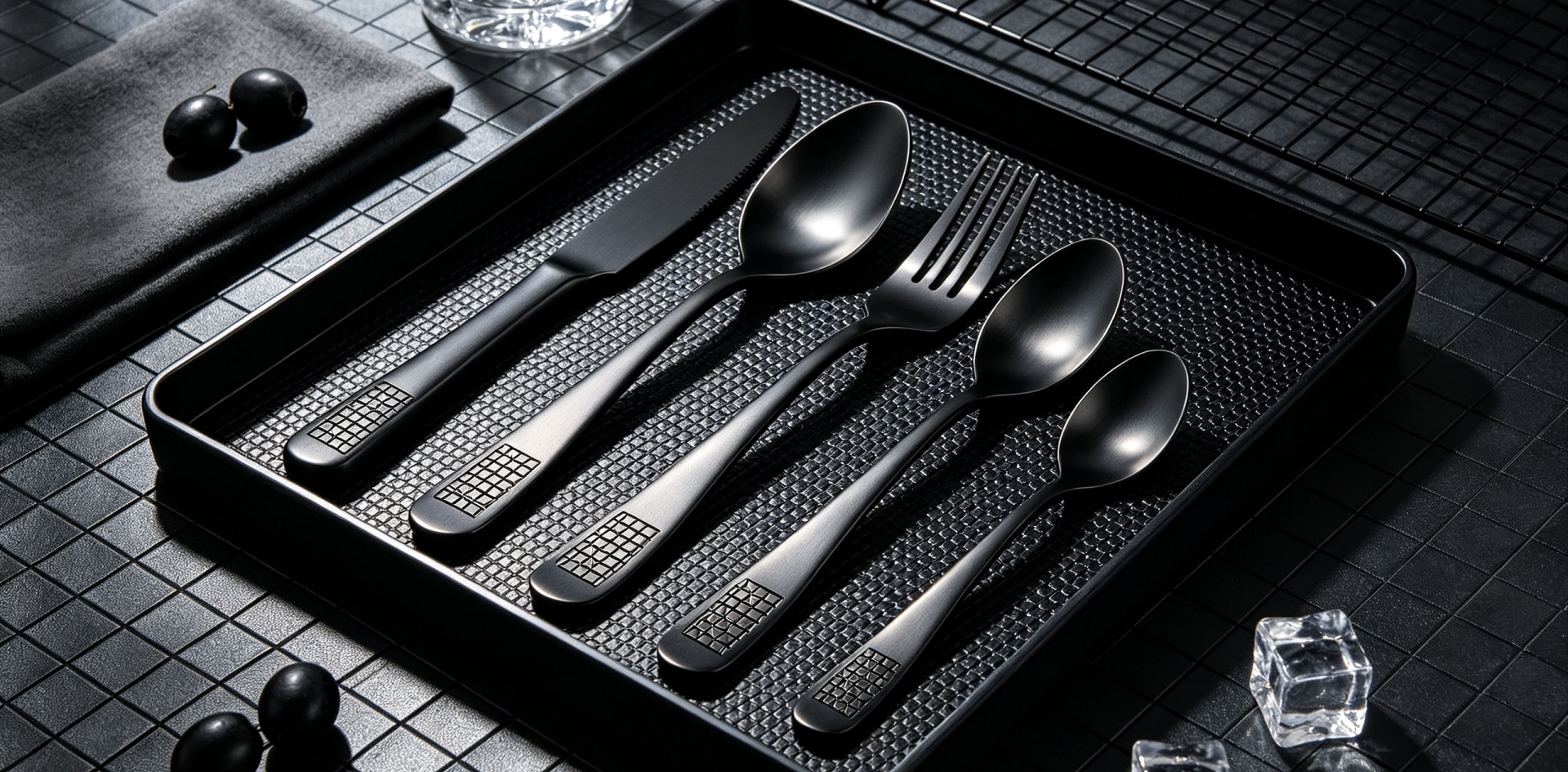
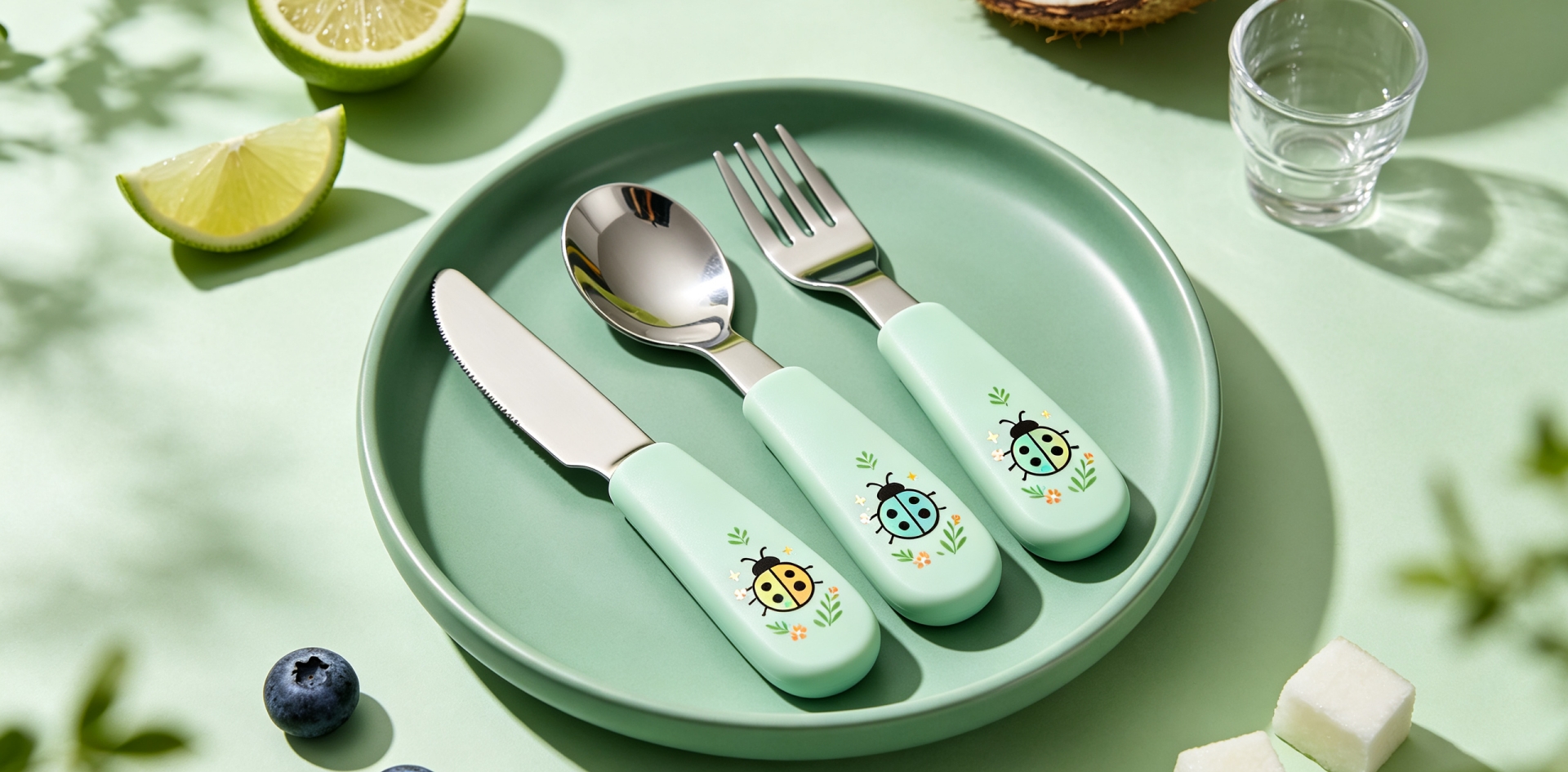
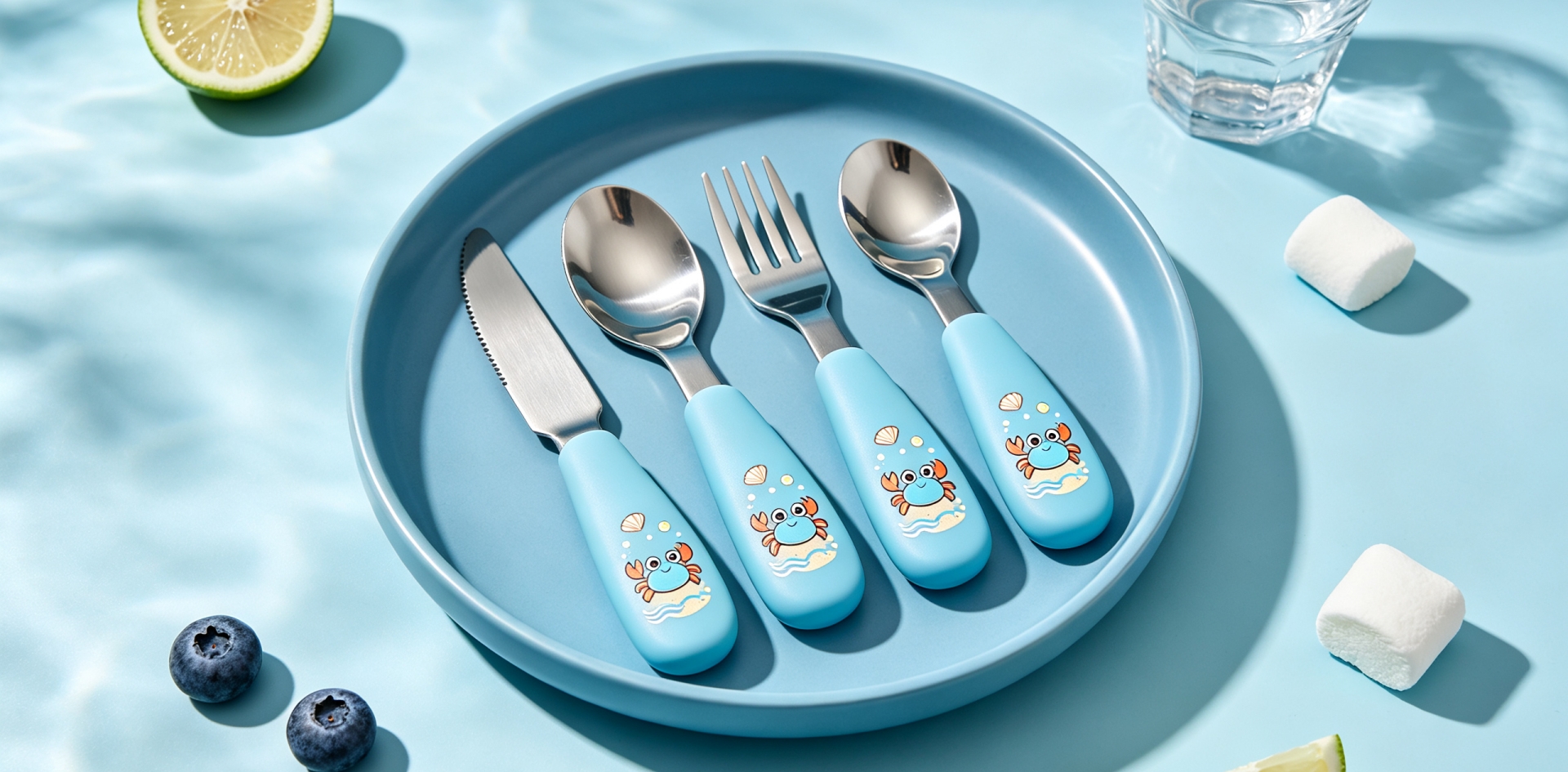
A complete cutlery set may contain several types of spoons, forks, and knives, each with its own dimensions, finish, and product code. Even pieces that look similar may differ in handle shape, thickness, weight, or decorative details. Replacing a missing item with a visually similar but incompatible piece can create inconsistency within the set.
The challenge becomes greater when a retailer sells the same collection for several years or when a hospitality customer needs to replenish individual pieces rather than purchase a complete set. Without reliable product records, the distributor may struggle to identify the original model or confirm whether a replacement can still be produced.
A spare-piece plan should therefore be considered during product development and purchasing discussions, particularly for long-running collections, premium sets, and business customers who require consistent table settings.
1. Create a Separate SKU for Each Replaceable Piece
A complete set SKU is not always enough to manage replacement requests. If a six-piece or twenty-four-piece set contains several component types, the supplier and buyer should be able to identify each relevant piece separately.
A practical product record may include:
-
Individual component SKU and parent set SKU.
-
Product name and intended function.
-
Overall length and other critical dimensions.
-
Stainless steel grade where confirmed.
-
Surface finish, color, and handle construction.
-
Original collection or product revision.
-
Packaging unit and minimum replacement quantity.
-
Current production or discontinuation status.
The exact fields depend on the product range, but the aim is to identify the component without relying only on a photograph or informal description.
For customized flatware, include the customer's product code alongside the factory's internal code. This makes it easier to connect purchase orders, warehouse records, and after-sales requests.
2. Define Which Pieces Can Be Replaced Individually
Not every product configuration is suited to individual-piece sales. Some collections are designed primarily as complete retail sets, while others may support separate spoons, forks, and knives for hospitality or wholesale replenishment.
Before launching a collection, decide which components can be ordered individually and which are only available within a complete set. This decision should consider production setup, packaging requirements, stock availability, and commercial practicality.
If a product requires customized decoration, special packaging, or a particular finish, the cost of producing a small replacement quantity may be higher than the per-piece cost within a bulk order. Buyers should understand any minimum quantity or additional production charge before promising availability to their customers.
Clear rules prevent customer-service teams from committing to replacement options that purchasing or production cannot support.
3. Check Compatibility Before Confirming a Replacement
A replacement should match the original product in the characteristics that matter to the customer. These may include length, shape, finish, weight range, handle design, and the overall appearance of the collection.
Use the original product record or an approved reference sample to check compatibility. If the collection has undergone a design revision, compare the current piece with the original specification before confirming that it is interchangeable.
Finish differences can be particularly noticeable when a customer replaces only one item in a set. Even when two products use the same stainless steel grade, changes in polishing, coating, handle proportions, or manufacturing details may make them look different.
When exact matching is no longer possible, explain the limitation before accepting the request. Depending on the buyer's policy, the options may include an approved alternative, a different replacement arrangement, or a recommendation to purchase a complete matching set.
4. Set a Practical Spare-Inventory Policy
Holding replacement stock can improve response times, but storing every component from every collection can tie up capital and warehouse space. The right policy depends on sales volume, product life cycle, customer commitments, and the cost of replenishment.
Buyers can group products according to their importance and demand patterns. High-volume components used across active collections may justify a small reserve, while slow-moving or discontinued pieces may be managed through production-on-demand arrangements where feasible.
Review factors such as:
-
Historical replacement requests by component.
-
Sales volume of the related collection.
-
Expected product life cycle.
-
Supplier lead time and minimum production quantity.
-
Storage cost and risk of finish changes.
-
Service commitments to retail or commercial customers.
The reserve should be reviewed periodically rather than treated as a permanent fixed quantity. A growing collection may require additional stock, while a product approaching discontinuation may need a final purchasing decision.
5. Define the Fulfillment Process
A written procedure helps service teams handle replacement requests consistently. The process should start by confirming the customer, original order, product code, affected component, quantity, and reason for the request.
Next, check stock availability and compatibility. If the component is available, confirm the proposed quantity, packaging, price where applicable, and expected dispatch arrangement. If it is unavailable, check whether it can be produced again and whether a minimum quantity or additional lead time applies.
The fulfillment record should link the replacement to the original product and customer request. This creates a useful history for future service inquiries and helps the buyer identify recurring quality issues or unusually high demand for a specific piece.
For warranty-related cases, follow the applicable sales terms and agreed claim procedure. A missing item, transit damage, manufacturing defect, and customer loss may require different handling, so they should not automatically be treated as the same type of request.
6. Coordinate Replacement Packaging and Shipping
Individual cutlery pieces need suitable packaging even when they are not sold as a retail set. Without adequate protection, a replacement spoon or knife may be scratched or damaged during storage and transport.
Choose packaging appropriate to the finish and shipping method. Separate pieces when necessary to reduce contact, and ensure that product labels or dispatch records identify the correct component. For international fulfillment, confirm any applicable shipping documentation and destination requirements with the logistics provider.
Small replacement shipments may have a higher transportation cost per item than consolidated replenishment orders. Buyers can compare urgent individual dispatch with a scheduled shipment of spare pieces to determine which option better suits their customer commitments.
For hospitality and distributor customers, combining replacements with a planned restocking order may improve logistics efficiency when timing permits.
7. Use Replacement Data to Improve Product Decisions
Spare-piece requests provide useful information about how a collection performs after sale. A high number of requests for one component may indicate product loss patterns, packaging problems, unclear SKU identification, or a possible quality concern.
Classify requests by reason and product model. Separate ordinary missing-piece requests from transit damage, manufacturing defects, and finish mismatch. Review the data regularly with purchasing, quality, customer service, and the supplier.
If recurring issues point to a product or packaging problem, investigate the underlying cause rather than simply increasing spare inventory. Replacement records can also inform future product planning by showing which components customers are most likely to need over the collection's life cycle.
Plan Spare-Piece Support Before the First Bulk Order
A spare-piece program works best when it is discussed during product development, not after the first customer complaint. Individual SKUs, compatibility records, minimum quantities, inventory rules, and fulfillment responsibilities help buyers provide more reliable service while controlling stock costs.
Homefelt supplies stainless steel spoons, forks, knives, and complete flatware sets for B2B wholesale and bulk orders. OEM and ODM projects can include customized product design and packaging coordination. Buyers can share their collection structure, replacement needs, forecast volumes, and expected service period when discussing a new program.
For product information or a quotation, email ingrid@homefelt.net with the relevant specifications, component list, target quantity, and destination market. Early planning helps clarify which replacement arrangements are practical for the collection.
You May Be Interested In
-
How to Build a Clear SKU Naming System for Stainless Steel Cutlery Collections
-
How to Manage Product Phase-Out Planning for Stainless Steel Spoon Orders
-
How to Manage Customer-Specific Specifications for Stainless Steel Cutlery Orders
-
How to Evaluate a Trial Order Before Expanding a Stainless Steel Cutlery Supplier Partnership
How to Evaluate Coating Adhesion on Stainless Steel Cutlery for Bulk Orders
Related Article