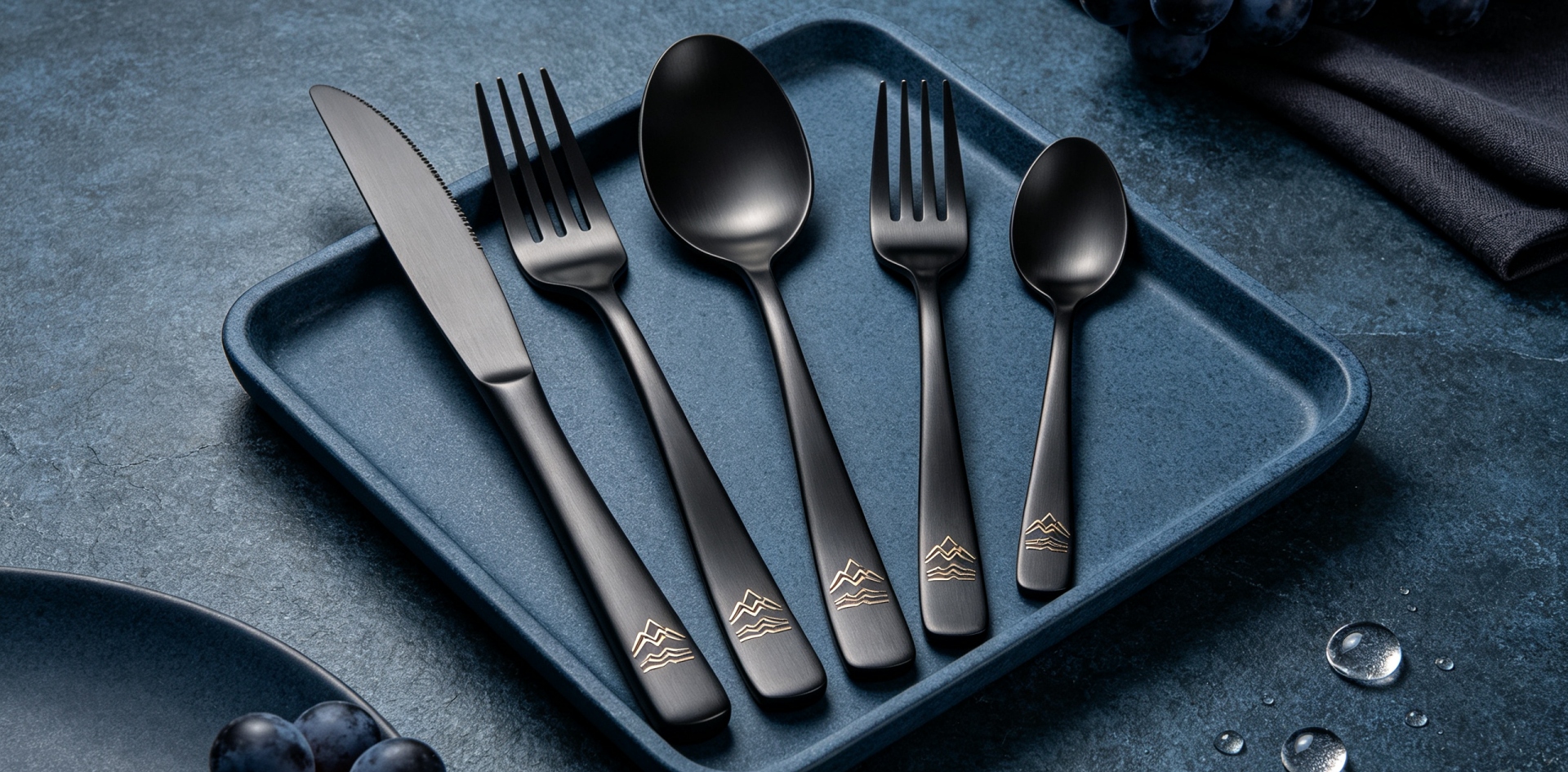
How Customs Valuation Affects Stainless Steel Cutlery Export Orders
How Customs Valuation Affects Stainless Steel Cutlery Export Orders
When importing stainless steel cutlery, buyers need more than a confirmed product price and shipping schedule. Customs authorities may require a declared value supported by commercial documents, and the way that value is determined can affect import duties, tax calculations, and clearance procedures. For wholesalers, retailers, and private-label brands, understanding customs valuation early helps reduce avoidable documentation delays.
Customs valuation rules vary by destination market, and the correct treatment depends on the transaction, applicable regulations, and supporting evidence. Buyers should therefore work with their customs broker or qualified trade adviser rather than assume that the invoice total always answers every valuation question.
What Customs Valuation Means for Cutlery Imports
Customs valuation is the process used to determine the value of imported goods for customs purposes. In many markets, the transaction value—the price actually paid or payable for goods sold for export—is the primary method when its legal conditions are met. However, some costs, relationships, restrictions, or transaction circumstances may affect whether that method can be used and what adjustments are required.
For stainless steel spoons, forks, knives, and flatware sets, the commercial invoice is an important document, but it may not be the only record relevant to valuation. Purchase orders, payment records, sales agreements, freight details, and other supporting documents may be needed to explain the transaction.
Importers should confirm the requirements of the destination country before finalizing the shipment documentation. The same commercial arrangement may be treated differently depending on the local customs rules and the details of the transaction.
Keep the Commercial Price Structure Transparent
A quotation for wholesale stainless steel cutlery may contain several cost elements. These could include the product price, retail packaging, customized printing, tooling or mold charges, sample fees, inspection services, freight, insurance, and other agreed services.
Not every charge is treated the same way for customs purposes. The correct treatment depends on the nature of the payment, the applicable law, and whether a particular cost must be included in or excluded from the customs value.
Buyers should ask their supplier to describe charges clearly rather than combining unrelated items into an unexplained total. Clear line items make it easier for the importer and customs broker to determine how each amount should be handled.
For example, a private-label cutlery order may involve a separate payment for custom packaging artwork or product tooling. The buyer should retain the agreement and payment records so that the nature of each charge can be reviewed under the destination market's rules.
Understand Tooling and Design-Related Payments
OEM and ODM projects sometimes involve custom tooling, dies, molds, or other development inputs. The buyer may pay these costs separately, provide materials, or arrange for a third party to supply an item used in production.
These arrangements can raise valuation questions. Depending on the applicable rules and transaction facts, certain goods or services supplied by the buyer at reduced cost or without charge may need special consideration. A separate invoice does not automatically mean a payment is irrelevant to customs value.
Before production begins, buyers should document who owns the tooling, who pays for it, where it will be used, and whether the payment relates only to development or also to the imported goods. The supplier's commercial invoice and the buyer's internal accounting records should accurately reflect the arrangement.
Because treatment varies by jurisdiction, importers should have their customs broker review the details before making a declaration. This is especially important for repeat OEM orders where tooling costs were paid during an earlier development stage.
Review Packaging, Freight, and Insurance Charges
Packaging is part of many stainless steel cutlery export programs. A shipment may include individual piece protection, retail boxes, gift packaging, printed sleeves, master cartons, or customized inserts. Buyers should understand how these costs are described in the quotation and invoice.
Customs rules may distinguish between packaging, packing costs, international freight, insurance, and other charges. The relevant treatment can depend on the destination market and the agreed delivery terms.
The Incoterm used in a transaction helps clarify the division of costs and responsibilities between seller and buyer, but it does not independently determine customs value in every country. Importers should avoid assuming that a particular Incoterm automatically settles the valuation calculation.
A useful practice is to maintain a consistent breakdown of product value and separately identifiable charges, with supporting documents available when required. The customs broker can then determine which amounts belong in the declaration.
Handle Related-Party Transactions Carefully
Some importers purchase stainless steel flatware from a related manufacturer or affiliated trading company. A relationship between buyer and seller does not necessarily mean that the declared transaction value is unacceptable, but it may require additional review under the applicable customs rules.
The importer should retain evidence explaining how the price was established and whether the relationship influenced the transaction. Relevant records may include price lists, comparable transactions where appropriate, sales agreements, and explanations of commercial terms.
The purpose is to support a truthful and legally appropriate declaration, not to select a value simply because it produces a lower duty amount. If customs authorities request more information, consistent records can help explain the transaction.
Make Invoice and Order Records Consistent
Discrepancies between the purchase order, commercial invoice, packing list, and payment record can trigger questions during clearance. Product descriptions should identify the goods accurately, while quantities, unit prices, currency, and agreed charges should be consistent with the underlying transaction.
For mixed-SKU shipments, the invoice should clearly distinguish the relevant cutlery models and quantities. A generic description may be insufficient when the shipment contains multiple product types or separate commercial arrangements.
Before dispatch, buyers and suppliers can review:
-
Product descriptions and model references.
-
Ordered and shipped quantities.
-
Unit prices, currency, and invoice totals.
-
Discounts, credit notes, and any agreed adjustments.
-
Separate charges and their supporting agreements.
-
Consistency between invoice and packing information.
If a commercial term changes after the purchase order is issued, the revised records should reflect the actual agreement. Documents should never be altered simply to achieve a preferred customs result.
Coordinate With the Customs Broker Before Shipment
The best time to identify valuation questions is before goods leave the factory. Importers should provide their broker with the quotation, purchase order, invoice draft, relevant contracts, and details of any unusual payments or buyer-supplied inputs.
For stainless steel cutlery wholesale orders, early review is especially helpful when the shipment includes customized packaging, tooling arrangements, rebates, commissions, or transactions between related entities. The broker can identify missing evidence and explain the destination market's requirements.
The importer remains responsible for ensuring that the declaration is accurate under applicable law. A supplier can provide correct commercial information, but it generally cannot determine every obligation of the importer in the destination country.
How Homefelt Supports Export Documentation
Homefelt supplies stainless steel spoons, forks, knives, and flatware sets for B2B wholesale, OEM, and ODM projects. Buyers can discuss product specifications, order quantities, customized packaging, and commercial documentation requirements during quotation and order planning.
For a smoother process, share your destination market, requested product details, packaging arrangements, and any specific documentation requirements before confirming the order. If tooling or design-related charges apply, clarify the commercial arrangement early so that the relevant records can be prepared accurately.
Homefelt also coordinates customized product design, packaging, and transportation according to project requirements. Importers should consult their customs broker regarding valuation methods, declaration requirements, and the treatment of individual charges in their market.
To discuss stainless steel cutlery bulk orders or private-label export projects, contact ingrid@homefelt.net with your product list and purchasing requirements.
You May Be Interested In
How Return Rate Analysis Improves Stainless Steel Cutlery E-Commerce
How to Structure Distributor Incentives for Stainless Steel Cutlery Sales
Related Article