Stainless Steel Cutlery Surface Quality: A Key Detail for B2B Buyers

Stainless Steel Cutlery Surface Quality: A Key Detail for B2B Buyers
When buyers evaluate stainless steel cutlery for a wholesale or private label project, appearance is usually one of the first things they consider. The overall shape, color, finish and design are easy to see, but another detail deserves just as much attention: the quality and consistency of the stainless steel surface.
A spoon, fork or knife may have the correct dimensions and an attractive design, yet the final product can still feel different depending on how well the surface has been processed. For B2B buyers, this matters because customers often judge the quality of a cutlery product through both sight and touch.
Surface quality is therefore not simply a cosmetic consideration. It is part of the overall manufacturing result and can have an impact on how a stainless steel cutlery collection is perceived in the market.
Why Surface Quality Matters in Cutlery
Stainless steel cutlery goes through multiple production and finishing stages before it becomes a finished product. During manufacturing, the metal surface may be shaped, processed and polished according to the requirements of the design.
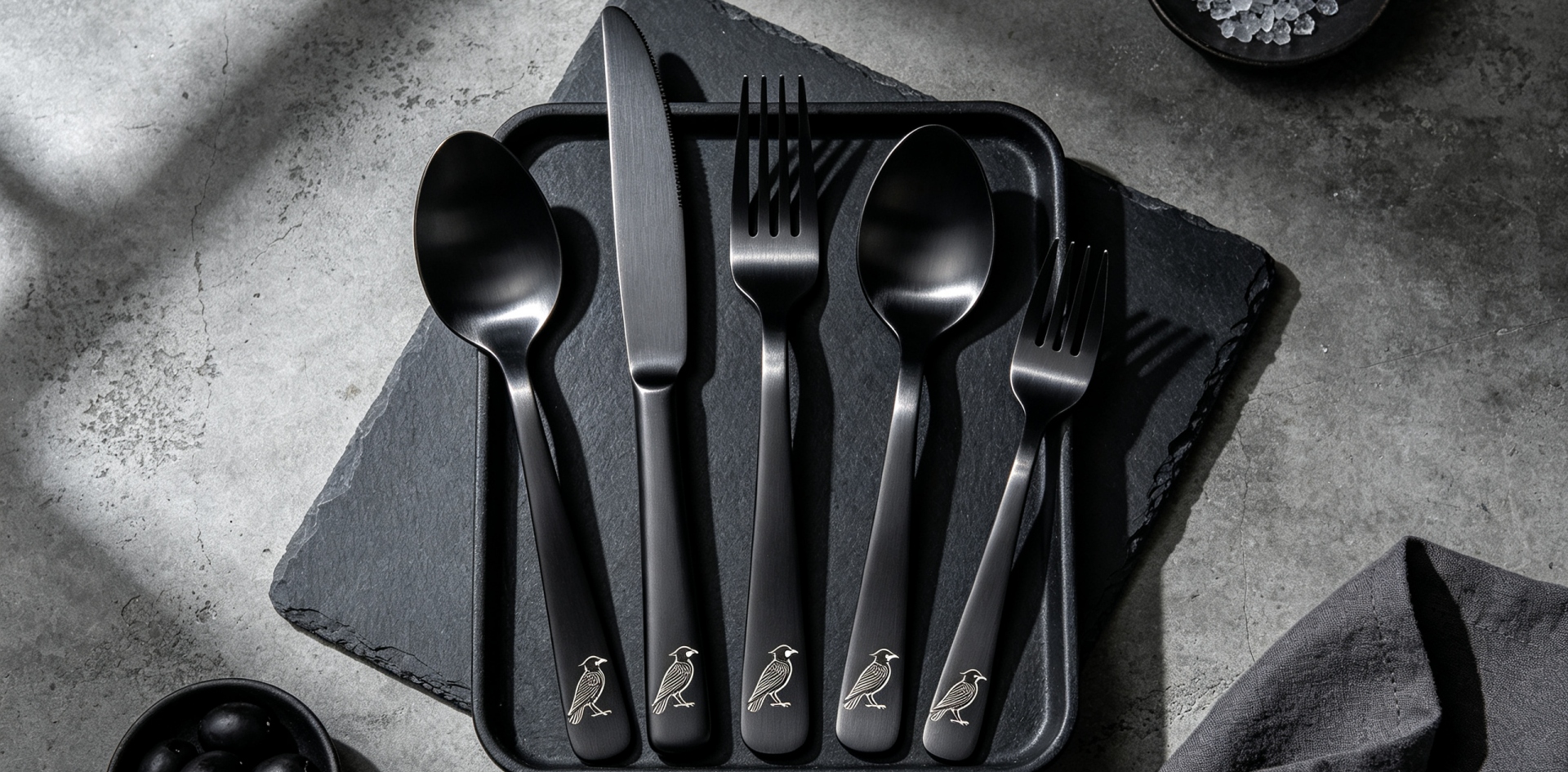
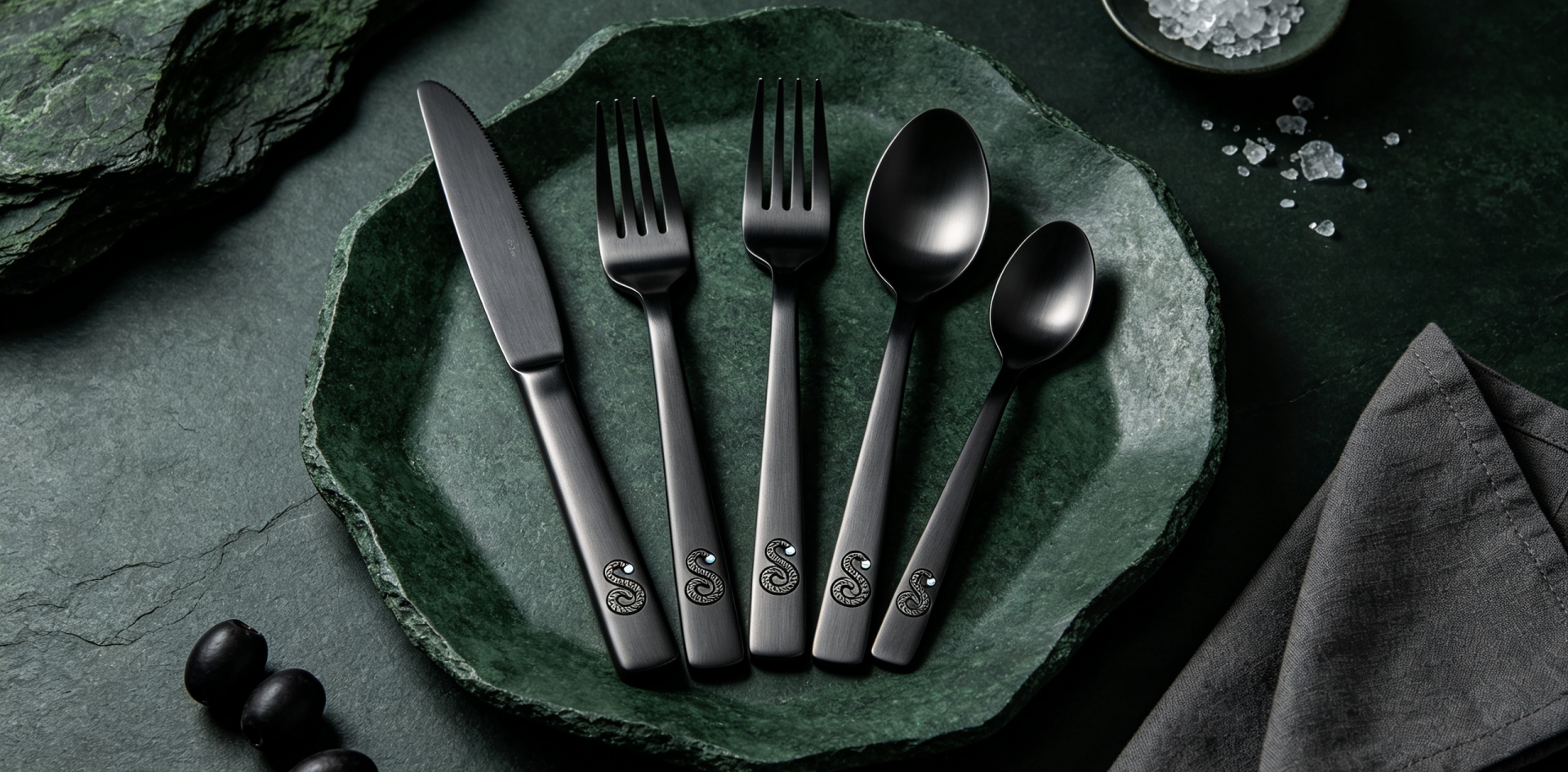
The final appearance should be clean and consistent with the agreed product specifications. A well-controlled surface helps the knife, fork or spoon present a more uniform appearance when several pieces are displayed together.
This becomes especially important for B2B orders. A retailer may receive thousands of pieces for one product line, while a brand may place several different SKUs under the same collection. Customers expect the products to have a consistent appearance across the range.
For this reason, surface quality should be considered during product development rather than only at the end of production.
Visual Consistency Across Multiple SKUs
Many B2B projects involve more than one cutlery product. A collection may include different knives, forks and spoons, with each item having its own shape and function.
Although the products are different, their surface appearance should still follow the same overall quality standard.
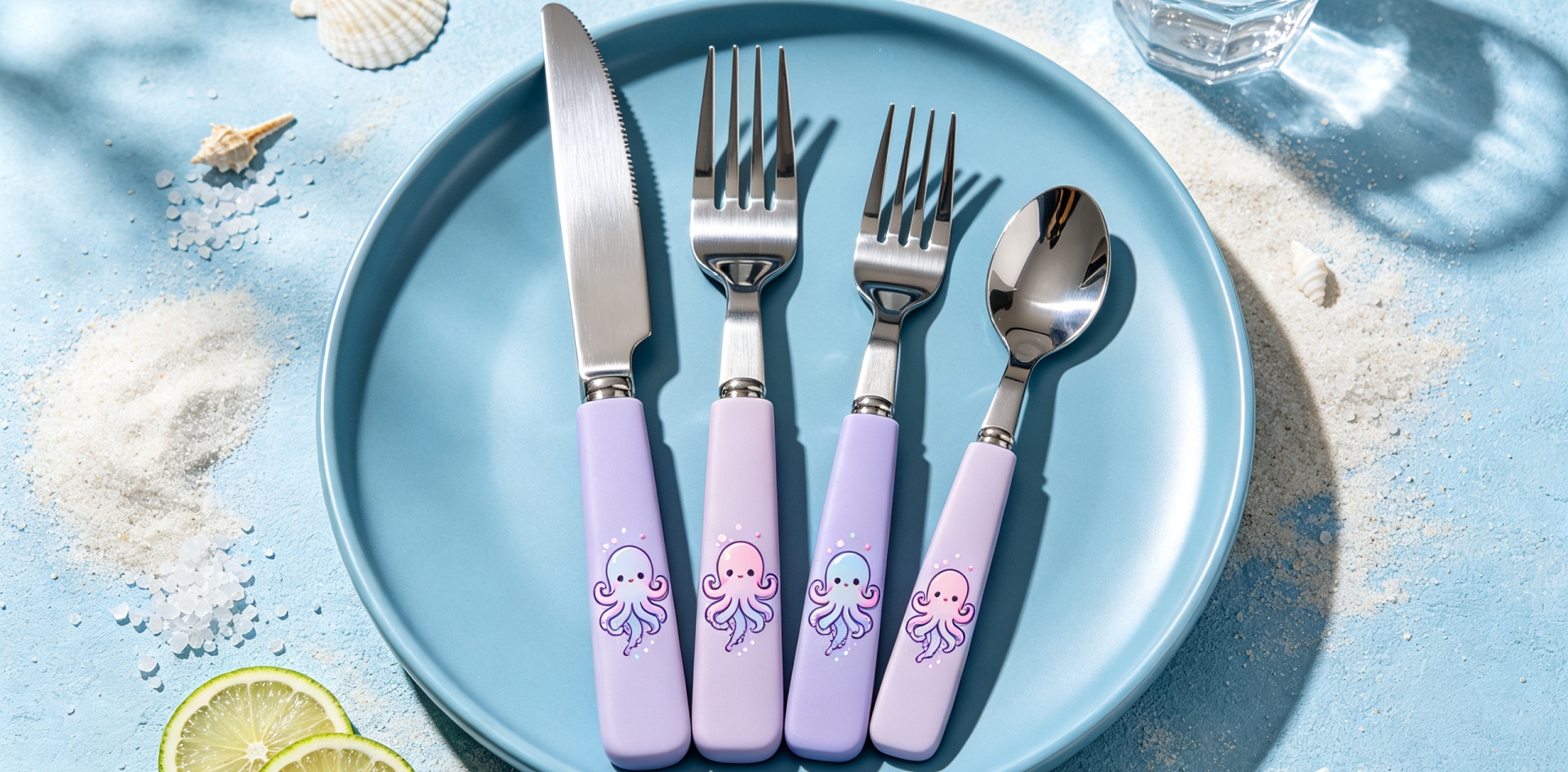
For example, if a brand develops several stainless steel flatware models, noticeable differences in surface condition can make the collection look less unified. Consistent processing helps the individual products appear as part of the same product program.
This is particularly useful for private label brands that want to build a recognizable flatware range.
Surface Quality and the User Experience
A consumer does not normally think about manufacturing processes when using a spoon or fork. They simply notice whether the product looks clean, feels comfortable and appears well made.
Touch can be particularly revealing.
The surface of a stainless steel utensil should feel appropriate to its intended finish. Rough or inconsistent areas may change the way the product feels in the hand or during use.
For a B2B buyer, this means that evaluating a physical sample is often more useful than relying entirely on product photographs.
A sample allows the buyer to inspect the surface directly, compare different pieces and decide whether the result matches the expected market position.
The Importance of Sample Evaluation
Before a large OEM or private label order is placed, the sample provides a practical reference for both the buyer and manufacturer.
A buyer can check the overall appearance, surface condition and relationship between different parts of the product. If adjustments are required, they can be discussed before bulk production begins.
For a multi-SKU collection, samples can also be compared side by side. This makes it easier to determine whether the different knives, forks and spoons have a consistent visual and tactile quality.
Once the sample is approved, the agreed specifications become an important reference for the production process.
Surface Requirements for Different Product Positions
Not every stainless steel cutlery project needs exactly the same surface treatment.
A mass-market product may focus on achieving a practical and consistent appearance at a competitive price. A premium collection may place greater emphasis on refined surface quality and overall presentation.
The important point is that the surface should match the product concept.
For B2B buyers, defining the intended market position early can help the manufacturer understand what level of finish and appearance is expected.
This is especially relevant when a brand is developing a new product line. The target price, customer group and retail positioning can all influence the appropriate production approach.
Working With an Experienced Cutlery Manufacturer
Surface quality depends on more than the stainless steel itself. Manufacturing processes, equipment, handling and finishing controls all contribute to the final result.
An experienced stainless steel cutlery manufacturer can help buyers evaluate the practical requirements of a project before production starts.
For OEM and ODM projects, the buyer may provide drawings, reference samples or design ideas. The manufacturer can then review the product requirements and discuss how the desired appearance can be achieved consistently in production.
This communication is particularly valuable when the product includes several related SKUs.
Building Consistency Into a Private Label Program
For a private label brand, consistency becomes more important as the product range grows.
A company may start with one cutlery set and later introduce additional knives, forks or spoons. If the new products are developed with completely different production standards, the collection may lose its visual connection.
A better approach is to establish clear expectations for the product range from the beginning.
The brand and manufacturer can discuss the desired appearance, product specifications and quality requirements before developing the samples. This creates a clearer reference for future products and repeat orders.
Wholesale Buyers Also Benefit From Clear Specifications
Wholesale buyers often purchase products in larger quantities and may distribute them to different customers. Consistency can therefore affect not only the initial sale but also future replenishment.
If a product sells successfully, the buyer may need to reorder the same model months later. Maintaining a stable production specification helps ensure that the new shipment remains consistent with the previous one.
For this reason, an experienced supplier should be able to communicate clearly about product specifications and maintain a reliable manufacturing process.
From Sample to Bulk Production
The transition from sample approval to bulk production is an important stage in any custom cutlery project.
The approved sample represents the product that the buyer has accepted. During mass production, the manufacturer needs to reproduce the agreed characteristics across the order quantity.
This includes not only the main shape of the knife, fork or spoon but also its surface condition and overall appearance.
For B2B buyers, discussing these expectations before placing the order can help create a clearer production reference.
Supporting Custom Stainless Steel Cutlery Projects
Homefelt focuses on stainless steel cutlery manufacturing and B2B export, supplying knives, forks, spoons, cutlery sets and customized flatware solutions for international customers.
The company supports OEM, ODM and private label projects where buyers may have their own product concepts, reference samples or specific requirements.
For a custom project, the buyer can provide information about the desired products, estimated quantities, target market and design direction. The manufacturer can then discuss the available options and develop the product toward sample approval and bulk production.
This approach allows the project to be evaluated as a complete commercial product rather than simply as an individual piece of stainless steel cutlery.
A Practical Checklist for B2B Buyers
When evaluating a stainless steel cutlery supplier, buyers can consider several practical questions.
Does the supplier provide physical samples before bulk production?
Can the manufacturer produce multiple cutlery SKUs within one product program?
Are surface and appearance requirements clearly discussed before production?
Can the supplier support repeat orders with consistent specifications?
Can the factory work with existing designs as well as new OEM or private label concepts?
These questions can help buyers understand whether a supplier is suitable for a longer-term product program rather than only a single transaction.
For stainless steel cutlery, surface quality may seem like a small manufacturing detail, but it contributes directly to the appearance and user perception of the finished product. For B2B brands and wholesalers, maintaining this quality across large quantities and multiple SKUs can make a meaningful difference.
A successful custom cutlery project combines design, material, manufacturing and quality requirements into one clear product specification. When surface expectations are defined early and confirmed through samples, both the buyer and manufacturer have a stronger reference for bulk production.
If you are developing a new stainless steel flatware collection, sourcing cutlery for wholesale distribution or preparing an OEM or private label project, sharing your product requirements and estimated quantities is a practical way to begin the discussion with a manufacturer.
Request a Quote for Custom Stainless Steel Cutlery
Discuss Your OEM Flatware Manufacturing Project
Edelstahlbesteck im B2B: Wie klare Produktstandards die Serienfertigung erleichtern
Couverts Inox et Identité de Marque : Créer une Collection B2B Reconnaissable
Related Article