Stainless Steel Spoon Tooling Maintenance for Consistent Bulk Production
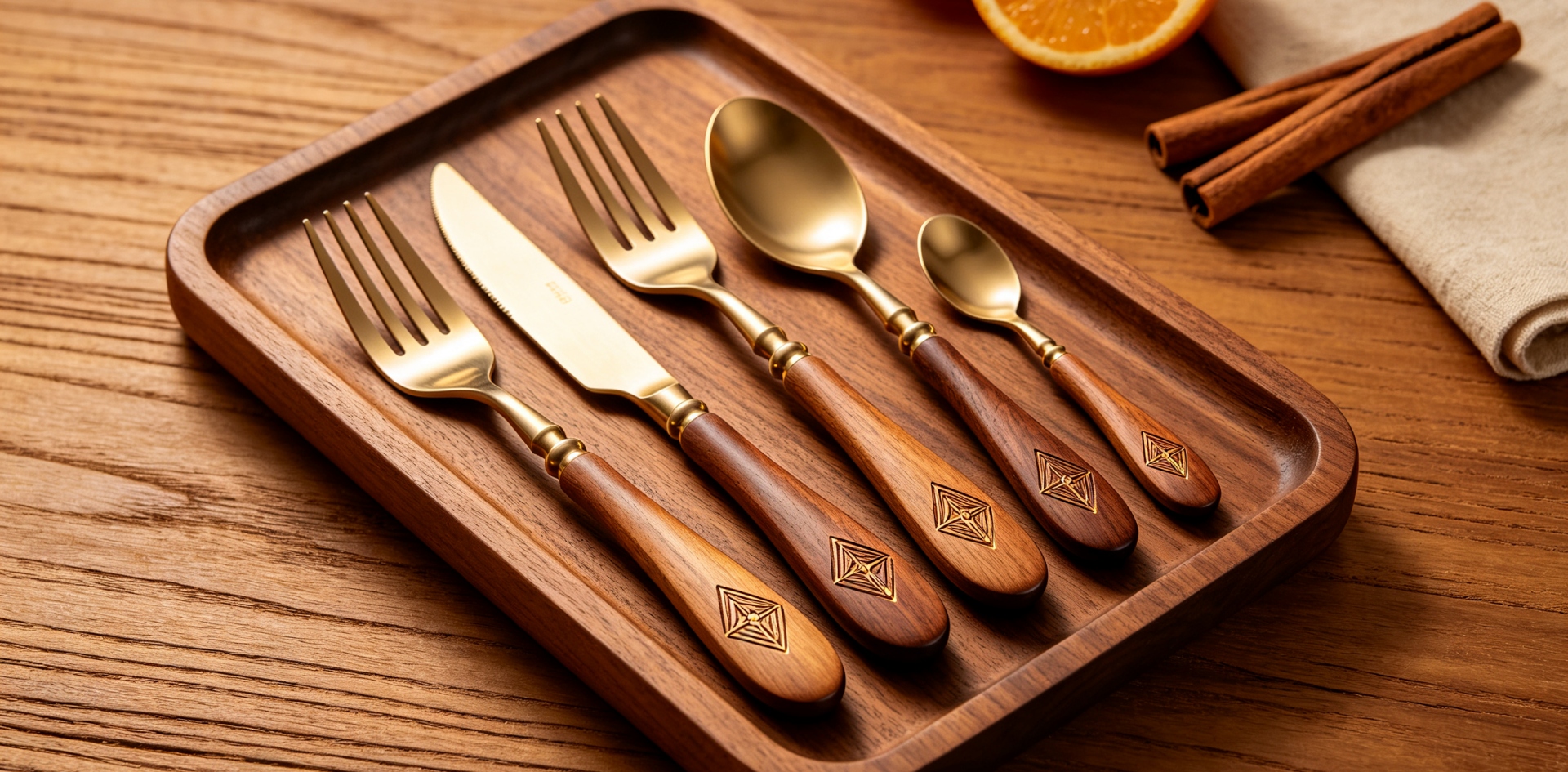
Stainless Steel Spoon Tooling Maintenance for Consistent Bulk Production
In stainless steel spoon manufacturing, tooling condition has a direct influence on forming accuracy, surface appearance, and production stability. A die or forming tool that gradually wears may still produce acceptable pieces for a period, but small changes can eventually affect bowl contours, edges, dimensions, and the consistency of finished products.
For wholesale buyers, importers, and private label brands, tooling maintenance is therefore more than an internal factory task. It is part of maintaining reliable product specifications across large orders and repeat production. Understanding how tooling is managed helps buyers ask more useful questions when selecting a stainless steel cutlery manufacturer.
1. Why Spoon Tooling Condition Matters
A spoon's shape is created through a series of forming and finishing operations. Depending on the product design and manufacturing route, tooling may influence the bowl profile, handle shape, decorative details, and other dimensions.
Wear, damage, contamination, or incorrect tool alignment can affect the repeatability of these features. The result may be variation between production batches or a higher proportion of pieces requiring rework.
Not every visual difference comes from tooling. Material variation, machine settings, operator adjustments, and finishing processes can also contribute. A useful maintenance system therefore combines tool inspection with finished-product checks instead of treating one inspection as sufficient proof of quality.
2. Establish a Tool Reference for Each Spoon Model
Different spoon designs may require different forming tools or tooling configurations. A factory should maintain a clear connection between the product model, approved design information, and the tools used to produce it.
For buyers ordering several models, the product reference should identify the relevant dimensions, drawings, approved sample, and any distinctive design details. If a handle pattern or bowl profile is customized, the corresponding tooling reference should be recorded so that a repeat order does not accidentally use an unsuitable setup.
Before production starts, confirm that the factory is using the correct tool and approved product specification. This is particularly important when a product family contains visually similar spoons with different lengths, bowl shapes, or handle patterns.
3. Inspect Tooling at Appropriate Production Stages
Tool inspection frequency depends on the tool design, production volume, material, operating conditions, and the manufacturer's maintenance procedures. A fixed interval should not be assumed suitable for every spoon model.
Useful inspection points may include setup before production, scheduled checks during a production run, and review after an unexpected defect or machine adjustment. Maintenance records should identify the tool, inspection date, observed condition, work completed, and any decision to return it to production.
The objective is to identify wear or damage before it creates repeated defects. If finished spoons begin showing consistent changes in dimensions, forming depth, or decorative detail, the factory should investigate whether tooling condition is one possible cause.
4. Watch for Product Changes That May Indicate Tool Wear
Tool wear can produce gradual rather than dramatic changes. Buyers and quality teams should pay attention to repeated patterns, not just isolated cosmetic defects.
Depending on the manufacturing process, warning signs may include:
-
Bowl profiles that begin to differ from the approved reference.
-
Decorative details that become less distinct.
-
Localized forming marks or repeated surface irregularities.
-
Dimensions that trend toward the edge of the agreed tolerance.
-
An increase in rejected pieces or finishing rework.
These signs require investigation rather than an automatic conclusion that the tool is defective. Inspecting several pieces from different points in a production run can help determine whether the variation is isolated or recurring.
5. Understand Tool Repair and Replacement Decisions
When a tool shows wear, the factory may be able to clean, adjust, repair, or replace it, depending on the tool's construction and condition. The correct choice depends on whether the repair can restore the required geometry and whether the tool remains suitable for the intended production volume.
For a customized stainless steel spoon, a tooling change may also affect the appearance of a branded handle or other distinctive feature. The manufacturer should evaluate the effect on the finished product before returning the tool to normal production.
If replacement tooling is required, buyers should clarify the expected cost, timing, ownership terms, and any approval requirements. For new or significantly modified tooling, it may be appropriate to review a new sample before authorizing a large production run.
6. Consider Tooling Life When Planning Bulk Orders
Tooling condition becomes particularly important when a buyer places a large order or expects the same spoon design to remain available for years. A tool that is adequate for a limited run may require closer monitoring during repeated or high-volume production.
Discuss the expected order volume, future replenishment needs, and any planned product variations with the factory. The supplier can then assess the relevant production arrangements and maintenance requirements.
Buyers should avoid assuming that tooling will remain unchanged indefinitely. If the product is important to a long-term retail or hospitality program, clarify how the factory handles wear-related adjustments and how changes to the product will be communicated.
7. Link Tool Maintenance to Finished-Product Inspection
Tool maintenance and product inspection serve different purposes. Maintenance aims to keep equipment suitable for production, while inspection checks whether the finished spoon meets the agreed requirements.
A practical quality plan may compare selected dimensions against the approved drawing, review surface appearance under consistent lighting, and inspect relevant formed details. The frequency and acceptance criteria should reflect the product specification and the risk associated with the order.
For applicable orders, retain inspection records and approved product references according to the factory's documented procedures. Relevant quality-system certifications or product test reports may provide additional evidence, but their scope should be checked rather than assumed to verify every tooling condition or individual shipment.
8. Questions B2B Buyers Should Ask Their Supplier
When evaluating a stainless steel spoon factory, buyers can ask how model-specific tools are identified, how wear is recorded, what triggers maintenance, and how the factory verifies product dimensions after an adjustment.
For custom designs, clarify whether tooling charges are separate from product prices and whether ownership, storage, maintenance, and reuse conditions are documented. Also ask how the supplier communicates a tooling issue that could affect the agreed production schedule.
These questions help establish realistic expectations without requiring the buyer to manage the factory's technical processes directly.
How Homefelt Supports Stainless Steel Spoon Manufacturing
Homefelt supplies stainless steel cutlery for wholesale, OEM, ODM, and private label projects. Buyers can discuss spoon design requirements, product specifications, customization, packaging, and bulk production plans with the factory.
For a new or revised spoon design, provide available drawings, target dimensions, reference images, branding requirements, estimated order quantity, and anticipated repeat-order volume. These details help clarify the production requirements and identify the information needed before quotation and manufacturing.
If you are sourcing a customized stainless steel spoon or planning repeat bulk orders, contact ingrid@homefelt.net to discuss your specifications and production needs. Homefelt can also coordinate product design, packaging, and transportation requirements according to the project.
You May Be Interested In
Stainless Steel Spoon Shipment Allocation Planning for Bulk Orders
Stainless Steel Spoon Order Reconciliation for B2B Buyers
Related Article