Why Some Stainless Steel Cutlery Rusts and Others Not
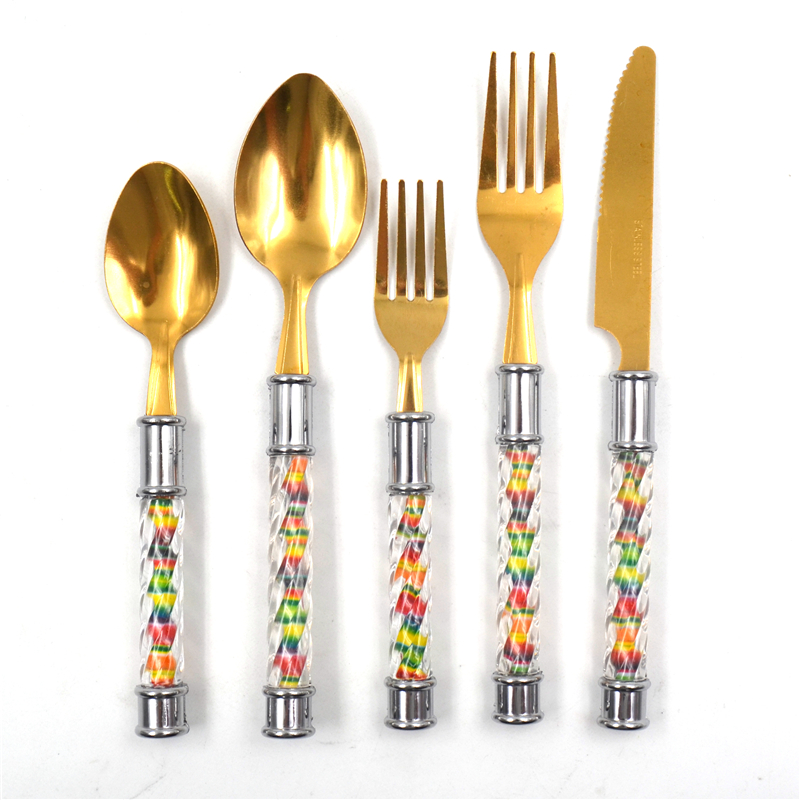
One of the most common complaints in cutlery sourcing is rust. However, not all stainless steel behaves the same way.
Rust typically appears for three reasons: lower-grade material, poor surface finishing, or improper cleaning conditions.
430 stainless steel is more sensitive to moisture than 304. In humid environments or with frequent dishwasher exposure, it may develop surface spots over time. This does not mean it is unusable, but it does affect long-term appearance.
Surface finishing also matters. A smooth, well-polished surface resists moisture retention better than a rough one. Microscopic surface irregularities can trap water and increase corrosion risk.
Cleaning environment is another factor. Harsh detergents, leftover salt, or prolonged moisture exposure can accelerate corrosion, especially in lower-grade products.
From a factory perspective, preventing rust starts with proper material selection and strict polishing standards. For EU and US markets, many OEM buyers choose 304 stainless steel to reduce risk and maintain customer trust.


New Disney Stitch Stainless Steel Spoon Set
How Many Years Should Stainless Steel Cutlery Last?
Related Article