
18/10 vs 18/0 Stainless Steel Flatware: Which Is Better for Your Business?
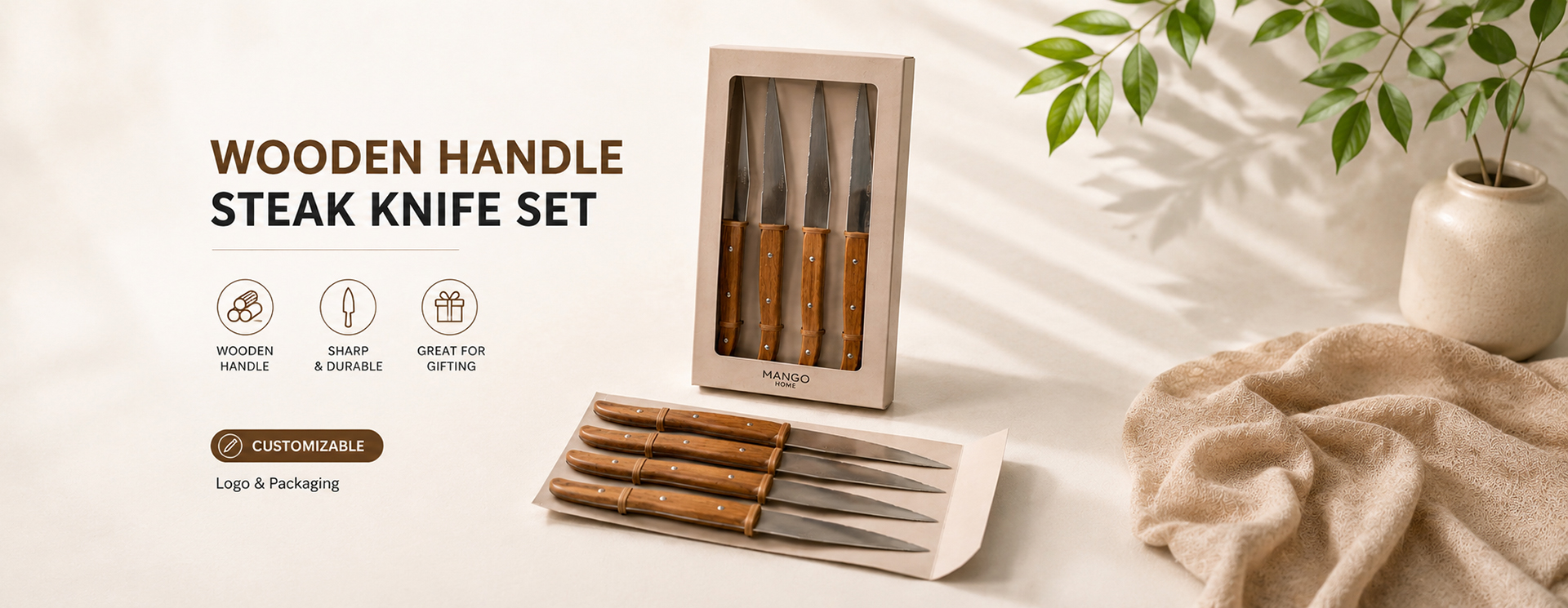
18/10 vs 18/0 Stainless Steel Flatware: Which Is Better for Your Business?
Introduction
When sourcing stainless steel flatware, one of the most common questions buyers ask is: “What is the difference between 18/10 and 18/0 stainless steel flatware?”
Whether you are an importer, wholesaler, retailer, restaurant supplier, or private-label brand owner, understanding the differences between these two stainless steel grades can help you select products that meet your target market’s expectations and budget.
Both materials are widely used in the flatware industry, but they offer different levels of durability, corrosion resistance, appearance, and pricing. This guide explains the key differences and helps buyers determine which option is best for their business.
What Do 18/10 and 18/0 Mean?
The numbers refer to the composition of the stainless steel.
18/10 Stainless Steel
18/10 stainless steel contains:
18% Chromium
10% Nickel
Chromium helps protect the surface from rust and corrosion, while nickel improves shine, durability, and resistance to staining.
18/0 Stainless Steel
18/0 stainless steel contains:
18% Chromium
0% Nickel
Without nickel, the material remains durable and corrosion resistant, but it does not provide the same level of shine or rust resistance as 18/10 stainless steel.
Why Chromium Matters
Chromium is the key element that makes stainless steel resistant to rust.
When exposed to oxygen, chromium forms a thin protective layer on the surface. This invisible barrier prevents moisture and air from attacking the metal underneath.
Because both 18/10 and 18/0 contain 18% chromium, both grades provide excellent protection compared with ordinary steel.
Why Nickel Matters
Nickel is responsible for many of the premium characteristics found in higher-grade flatware.
Benefits of nickel include:
Enhanced corrosion resistance
Brighter mirror finish
Greater resistance to staining
Improved durability
Longer-lasting appearance
This is why luxury flatware collections often use 18/10 stainless steel.
Appearance Comparison
One of the most noticeable differences between the two grades is appearance.
18/10 Stainless Steel Flatware
Advantages:
Brilliant shine
Premium appearance
Elegant dining presentation
Long-lasting polish
Many upscale restaurants and hotels prefer 18/10 flatware because it maintains its attractive finish even after years of use.
18/0 Stainless Steel Flatware
Advantages:
Clean appearance
Practical for daily use
Cost-effective production
While attractive, it generally does not retain the same high-gloss finish as 18/10 products over time.
Corrosion Resistance Comparison
Corrosion resistance is a critical factor for buyers serving hospitality and foodservice markets.
18/10 Stainless Steel
Provides:
Superior rust resistance
Better protection against acidic foods
Excellent dishwasher performance
Reduced staining risk
18/0 Stainless Steel
Provides:
Good corrosion resistance
Suitable for most dining applications
Acceptable dishwasher performance
However, under harsh conditions or long-term heavy use, 18/10 typically performs better.
Durability Comparison
Both materials are durable enough for daily use.
18/10 Advantages
Better structural stability
More resistant to wear
Longer lifespan
Better surface retention
18/0 Advantages
Strong and practical
Suitable for high-volume environments
Lower replacement cost
For institutional dining, schools, cafeterias, and budget-conscious markets, 18/0 remains a popular option.
Magnetic Properties
A frequently overlooked difference is magnetism.
18/10 Stainless Steel
Generally non-magnetic.
18/0 Stainless Steel
Usually magnetic.
This characteristic can be useful in commercial kitchens where magnetic retrieval systems are used to reduce flatware loss.
Cost Comparison
Price often influences purchasing decisions.
Because nickel is a relatively expensive material, 18/10 stainless steel typically costs more than 18/0 stainless steel.
Typical Pricing Trend
18/10 Flatware:
Higher production cost
Premium market positioning
Higher retail value
18/0 Flatware:
Lower production cost
Competitive pricing
Suitable for mass-market programs
Importers should align material selection with customer expectations and target pricing.
Which Is Better for Restaurants?
The answer depends on the restaurant category.
Fine Dining Restaurants
Recommended:
18/10 stainless steel flatware
Reasons:
Luxury appearance
Premium customer experience
Excellent durability
Superior shine
Casual Dining Restaurants
Recommended:
18/8 or 18/0 stainless steel flatware
Reasons:
Balanced performance
Cost-effective purchasing
Good durability
Cafeterias and Institutions
Recommended:
18/0 stainless steel flatware
Reasons:
Affordable replacement costs
Magnetic properties
High-volume suitability
Which Is Better for Retailers?
Retailers should consider their customer segment.
Premium Retail Brands
18/10 stainless steel flatware is typically preferred because consumers associate it with luxury and quality.
Value-Oriented Retailers
18/0 stainless steel flatware offers attractive pricing while still delivering reliable performance.
Which Grade Is Better for Importers?
For importers, there is no universal answer.
Instead, buyers should evaluate:
Target market
Product positioning
Price expectations
Consumer preferences
Distribution channel
Many successful importers offer both options to cover multiple market segments.
How Manufacturers Ensure Flatware Quality
Material selection is only one factor affecting quality.
Professional manufacturers also focus on:
Precision stamping
Heat treatment
Polishing technology
Surface finishing
Corrosion testing
Quality inspections
A well-manufactured 18/0 product may outperform a poorly manufactured 18/10 product.
Why Work with Huabao Home Collection?
For importers, wholesalers, retailers, and private-label brands, choosing the right manufacturing partner is just as important as choosing the right material.
Huabao Home Collection specializes in manufacturing and exporting stainless steel flatware, kitchenware, BBQ tools, children's tableware, and pet bowls for global markets.
With extensive manufacturing experience, strict quality control procedures, and flexible OEM and ODM services, Huabao Home Collection helps customers develop competitive flatware collections that meet different market requirements and price points.
Frequently Asked Questions
Is 18/10 stainless steel worth the extra cost?
Yes. For premium markets, hotels, and fine dining applications, the enhanced appearance and corrosion resistance often justify the higher price.
Does 18/0 stainless steel rust?
18/0 stainless steel is corrosion resistant, but under harsh conditions it may be more susceptible to rust compared with 18/10 stainless steel.
Which grade is better for restaurants?
Fine dining restaurants generally prefer 18/10 stainless steel, while casual dining and institutional facilities often choose 18/0 stainless steel.
Is 18/0 flatware dishwasher safe?
Yes. Most 18/0 stainless steel flatware is dishwasher safe when proper care instructions are followed.
Which grade sells better in retail stores?
Both grades perform well. Premium retailers often prefer 18/10 products, while value-oriented retailers frequently choose 18/0 collections.
Conclusion
The choice between 18/10 and 18/0 stainless steel flatware ultimately depends on your market positioning, customer expectations, and budget requirements. While 18/10 stainless steel offers superior shine, corrosion resistance, and premium appeal, 18/0 stainless steel provides excellent value and practical performance for cost-conscious applications.
By understanding these differences and partnering with an experienced manufacturer such as Huabao Home Collection, buyers can confidently select the right flatware solutions for their business and customers.


Wholesale Stainless Steel Flatware Supplier: How to Choose the Right Manufacturing Partner
What Is Stainless Steel Flatware A Complete Buyer s Guide for Quality Grades and Manufacturers
Related Article



