
How to Consolidate Multiple Stainless Steel Cutlery Models into One B2B Order
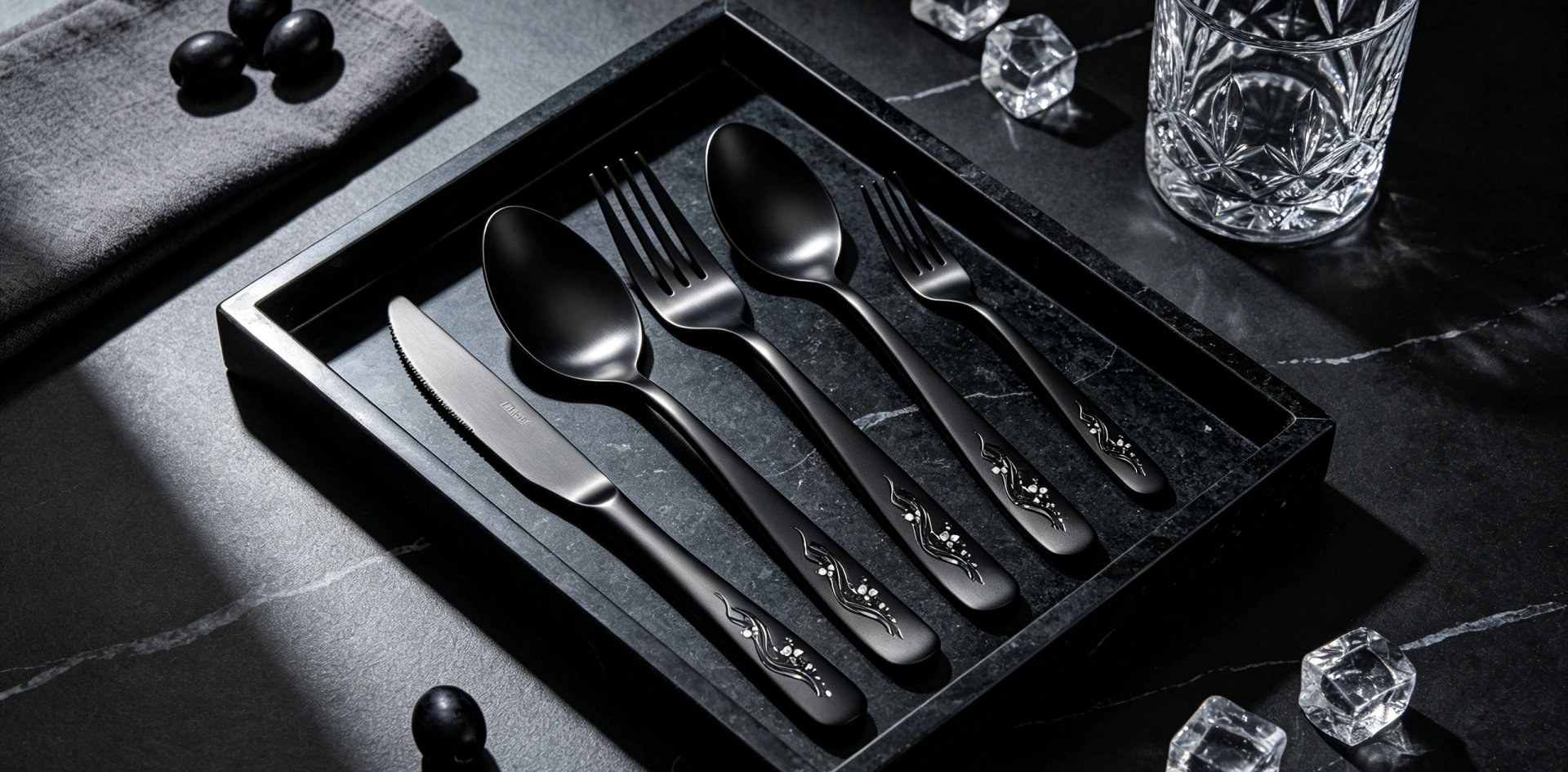
How to Consolidate Multiple Stainless Steel Cutlery Models into One B2B Order
For importers, wholesalers, retailers, and private label brands, purchasing several stainless steel cutlery models in one order can simplify supplier communication and support a more coordinated product assortment. Instead of managing separate purchasing processes for every knife, fork, spoon, or cutlery set, buyers can organize multiple products under a shared order plan.
However, combining different models does not automatically make an order easier to manage. Each product may have its own material specification, finish, logo requirements, packaging method, and production schedule. Without a clear structure, buyers may encounter mismatched quantities, incomplete assortments, or delays while waiting for all items to become ready.
For B2B projects, effective order consolidation starts with accurate product information, realistic quantity planning, and clear coordination between purchasing, production, quality inspection, packaging, and transportation.
Why Consolidate Multiple Cutlery Models?
Businesses often source several cutlery designs to serve different customer segments or create a complete product collection. A distributor may need standard dinner forks and spoons alongside serving pieces, while a private label retailer may require several handle designs in different set combinations.
Consolidating these requirements into a coordinated purchasing plan can offer several advantages:
-
One structured overview of product models and quantities.
-
More consistent communication with the supplier.
-
Easier comparison of specifications and quotation details.
-
Better coordination of packaging and shipment requirements.
-
A clearer view of which items are ready and which remain outstanding.
The benefits depend on the supplier's production arrangements, minimum order quantities, material availability, and logistics options. Buyers should confirm whether combining models changes pricing, production scheduling, or shipment costs rather than assuming that consolidation will always reduce expenses.
Build a Clear Product Matrix Before Requesting a Quotation
The first step is to prepare a product matrix that identifies every item included in the proposed order. A model name alone is not always sufficient because similar-looking cutlery products can have different dimensions, finishes, or construction details.
A practical matrix can include the following fields:
| Information | Example of What to Record |
|---|---|
| Model reference | Unique code for each knife, fork, or spoon |
| Product category | Dinner fork, tablespoon, teaspoon, table knife |
| Material | Confirmed stainless steel grade |
| Dimensions | Overall length and relevant thickness |
| Finish | Mirror polish, satin finish, or specified treatment |
| Branding | Logo method, location, and approved artwork |
| Quantity | Required quantity for each model |
| Packaging | Bulk packing, individual packaging, or retail set |
| Approval status | Specification confirmed, sample pending, or approved |
These details should be based on the buyer's actual requirements. Where a specification has not been finalized, mark it as pending instead of allowing different teams to make assumptions.
The matrix can then become the common reference for quotation review, order confirmation, production tracking, and final packing checks.
Calculate Quantities Across the Full Assortment
When multiple models are purchased together, buyers need to distinguish between individual-piece quantities and finished-set quantities.
For example, an order for 2,000 four-piece cutlery sets may require 2,000 table knives, 2,000 dinner forks, 2,000 tablespoons, and 2,000 teaspoons. If the buyer instead orders individual pieces for wholesale distribution, the quantities may differ by product category.
A simple assortment calculation helps identify shortages before production begins.
For set orders, confirm:
-
Number of finished sets required.
-
Number of pieces included in each set.
-
Quantity of each individual model needed.
-
Whether spare or replacement pieces are included.
-
Expected packaging quantity and any packing allowances agreed with the supplier.
For mixed wholesale orders, record the quantity of every model separately. Avoid relying only on a combined total because the same total can represent very different product assortments.
The confirmed quantities should be consistent across the product matrix, purchase order, packing instructions, and final order summary.
Check Whether Different Models Can Follow the Same Production Plan
Not every cutlery model can necessarily be produced or finished at the same time. Products may use different materials, dimensions, surface treatments, logo processes, or packaging arrangements.
Before confirming a consolidated order, buyers should ask the supplier to identify any differences that could affect scheduling.
For instance, standard polished spoons and specially colored cutlery may require different production steps. A model requiring customized branding may also need additional artwork approval before manufacturing can proceed.
A useful production overview separates products into groups according to their confirmed requirements. This helps buyers understand which items share a schedule and which require separate preparation.
The supplier should confirm the actual production sequence and estimated readiness dates. Buyers should not assume that all models will finish simultaneously simply because they appear on the same purchase order.
Coordinate Packaging for Mixed Cutlery Orders
Packaging is another area that needs careful planning when several models are consolidated.
Individual pieces may require bulk cartons, protective sleeves, or separate labeling. Retail sets may require a specific piece arrangement, insert, product information card, and printed box. These options can affect packing operations and shipment measurements.
Before production or packaging begins, confirm:
-
Which models are packed individually.
-
Which items belong to a finished cutlery set.
-
Required set composition and piece arrangement.
-
Packaging artwork and revision status.
-
Carton labeling and model identification.
-
Whether different models may share an outer carton.
-
Any destination-specific marking requirements.
Where multiple products share packaging, the packing instructions should make the assortment clear. If products must remain separated, carton labels and packing lists should identify the contents accurately.
For private label projects, buyers should also ensure that the correct logo and packaging artwork are associated with each model. Similar product designs can easily become confused when several versions are being prepared at the same time.
Plan Shipment Readiness Before Combining Orders
A consolidated order may contain products with different completion dates. This creates a decision about whether to ship everything together or arrange separate shipments.
Shipping together can simplify receiving and inventory management, but it may require waiting for the last product to become ready. Separate shipments may allow earlier products to move sooner, although they can introduce additional freight and handling costs.
The appropriate choice depends on inventory urgency, transportation arrangements, warehouse capacity, and the commercial agreement.
A practical comparison should consider:
| Decision Factor | Questions to Ask |
|---|---|
| Product readiness | Are all models expected to finish within a similar period? |
| Inventory urgency | Are some products needed earlier than others? |
| Freight cost | Would separate shipments increase transportation expenses? |
| Warehouse capacity | Can the buyer receive and store all products together? |
| Documentation | Can each shipment be documented accurately? |
| Packaging status | Are all products packed and labeled according to the agreed requirements? |
Before shipment, reconcile the final quantities against the approved order and packing list. If the shipment is divided, identify which products and quantities belong to each dispatch.
Practical Example: A Distributor Ordering Several Flatware Designs
Consider a distributor purchasing three stainless steel cutlery collections for different retail customers. The order includes standard polished pieces, a second collection with a different handle design, and a private label set requiring customized packaging.
The buyer begins by creating a product matrix with model codes, quantities, material specifications, finish requirements, and packaging details. The supplier reviews the matrix and identifies which products can share production arrangements and which require separate preparation.
During planning, the parties confirm the packaging artwork for the private label set and agree on how to handle products that may become ready at different times. Before shipment, the buyer checks the finished assortment, quantities, and packing records against the approved order.
This approach gives the distributor a single overview of the entire purchase while preserving the individual requirements of each collection. The final production and shipping arrangements still depend on confirmed availability, order terms, and logistics feasibility.
How Homefelt Factory Supports Multi-Model Cutlery Orders
Homefelt factory works with B2B buyers sourcing stainless steel knives, forks, spoons, and coordinated flatware sets for wholesale, OEM, ODM, and private label projects.
For orders containing multiple models, buyers can provide a product list, estimated quantities, target specifications, finish preferences, branding requirements, and packaging details. This allows the project requirements to be reviewed together and helps identify missing information before order confirmation.
Depending on the project, coordination can include product selection, specification review, customization, logo application, packaging design, and transportation planning. Buyers can also request relevant factory certification information and applicable product-specific inspection or testing documentation according to their project requirements.
For larger orders, a clear product matrix and agreed production plan help keep purchasing and shipment information aligned. Any proposed substitution, specification revision, or split shipment should be confirmed before implementation so that the parties maintain a consistent understanding of the order.
The objective is to make a multi-model cutlery order easier to manage without overlooking the distinct requirements of each product.
You May Be Interested In
How to Assess Stainless Steel Cutlery Factory Capacity for Large Orders
How to Manage Customer Complaints and Corrective Actions for Stainless Steel Cutlery
Related Article



