
Are Wooden Cutlery Better than Compostable Cutlery?
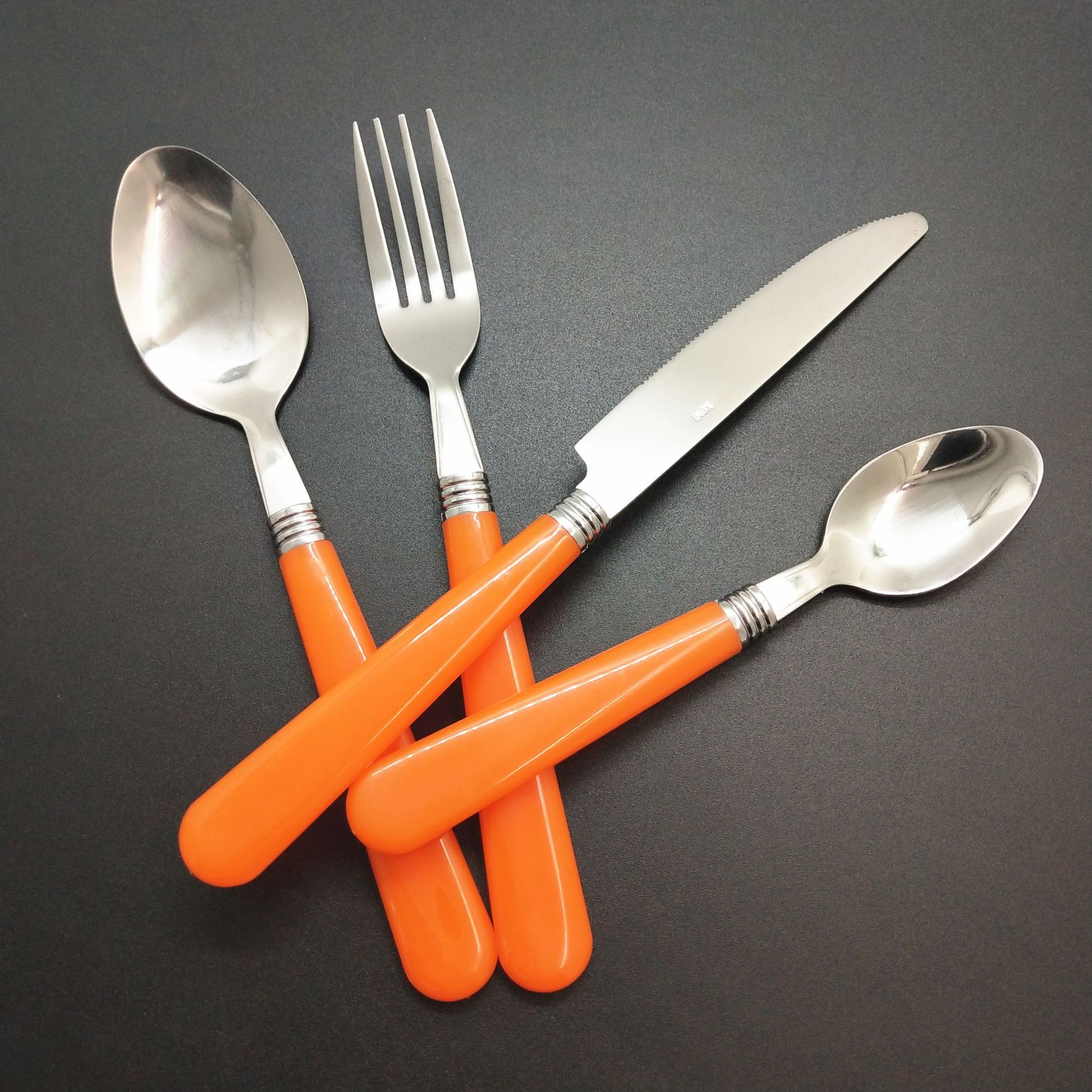
Are Wooden Cutlery Better than Compostable Cutlery?
In recent years, the debate between wooden cutlery and compostable cutlery has gained attention as consumers become more conscious of sustainability.
While both options offer eco-friendly alternatives to plastic, each has its own unique set of advantages and disadvantages.
In this article, we’ll compare wooden cutlery with compostable cutlery,
exploring the benefits of each material and discussing how they compare in terms of functionality, sustainability, and overall performance.
What Is Wooden Cutlery?
Wooden cutlery is typically made from sustainably sourced wood, often bamboo or birch. Wooden utensils are reusable, durable,
and biodegradable, making them a popular choice for environmentally conscious consumers.
Brands like Shun Kai offer knives and knife and fork sets made from wood, which adds a touch of sophistication and eco-friendliness to any meal.
Durability and Reusability
Wooden cutlery is durable and can withstand repeated use, especially when compared to disposable cutlery.
Many high-quality wooden cutlery sets can last for years, provided they are maintained properly.
Aesthetic Appeal
Wooden cutlery is favored for its natural appearance and smooth finish.
Whether you’re using it for an elegant dinner party or a casual picnic, wooden cutlery adds a unique touch to the table setting.
Sustainability
As long as the wood is sourced sustainably, wooden cutlery is an eco-friendly choice.
Bamboo, in particular, is known for being a fast-growing, renewable resource, making it a popular option for sustainable cutlery.
What Is Compostable Cutlery?
Compostable cutlery is made from plant-based materials, such as cornstarch, sugarcane, or bioplastics,
that are designed to break down in a composting environment.
While compostable cutlery is often marketed as a sustainable alternative to plastic, its performance can vary depending on the specific material used.
Convenience
Compostable cutlery is often designed for one-time use, making it convenient for events like picnics, barbecues,
or takeout. It’s biodegradable, so it won’t add to the growing issue of plastic pollution.
Environmental Impact
Compostable cutlery breaks down more quickly than plastic, but it still requires proper disposal in a composting facility to fully decompose.
If compostable utensils end up in a landfill, they may not decompose as quickly as expected, which could limit their environmental benefits.
Comparing Wooden Cutlery and Compostable Cutlery
Functionality
Wooden cutlery, like that offered by Shun Kai, tends to be more durable and functional than compostable cutlery.
While compostable cutlery is suitable for temporary use, wooden cutlery can be reused many times, making it more cost-effective in the long run.
Sustainability
Both wooden and compostable cutlery are better for the environment than plastic options.
However, the sustainability of each depends on how the materials are sourced and disposed of.
For example, types of big knives from eco-conscious brands like Homefelt are a great example of sustainable products that contribute to a greener planet.
Conclusion: Which Is Better — Wooden or Compostable Cutlery?
Both wooden cutlery and compostable cutlery have their advantages, and the choice depends on your needs and preferences.
If you’re looking for something durable and reusable, wooden cutlery is a great option.
For one-time events or if you’re seeking a completely biodegradable solution, compostable cutlery may be more suitable.
Whatever you choose, both options provide a sustainable alternative to plastic, helping reduce waste and contribute to a greener future.
Are Chicago Cutlery Knives Good?
Are Wooden Chicago Cutlery Knives Good?
Related Article



