
Can Cutlery Be Recycled?
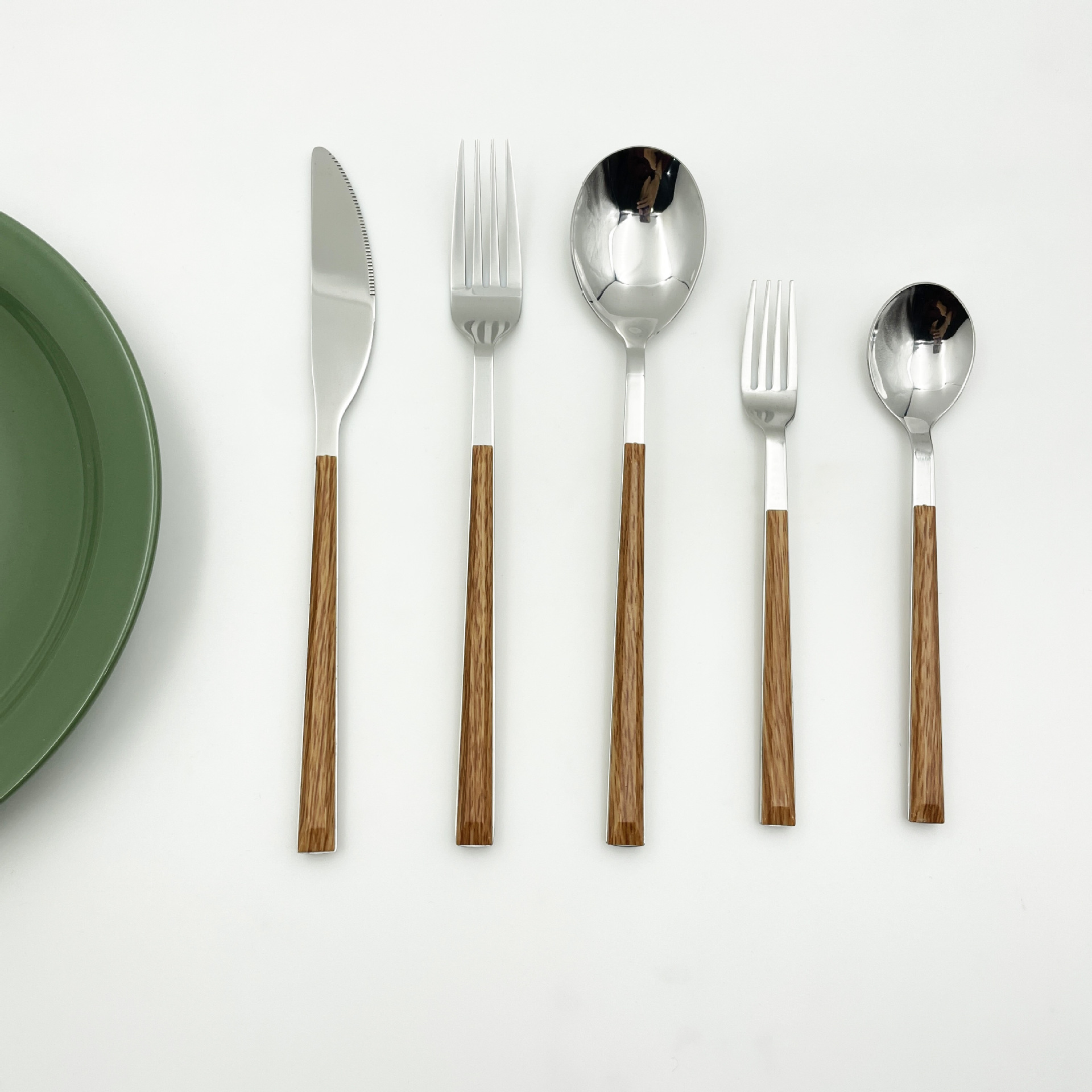
Can Cutlery Be Recycled?
With increasing awareness of environmental issues, many consumers are now asking, "Can cutlery be recycled?"
As eco-conscious choices become a priority in kitchens around the world,
it’s essential to know how to dispose of or recycle your cutlery responsibly. In this article,
we’ll explore the various materials used to make cutlery, whether it can be recycled, and how to manage waste in a more sustainable manner.
Understanding Cutlery Materials: What Can Be Recycled?
Cutlery comes in various materials, each with different recycling potential.
Let’s break down the most common types of cutlery and whether they can be recycled:
Stainless Steel Cutlery
Contemporary stainless flatware is one of the most popular and durable types of cutlery found in homes worldwide.
The good news is that stainless steel is highly recyclable. In fact, stainless steel can be recycled indefinitely without losing quality.
If your cutlery is made from stainless steel, such as the durable products from Homefelt, you can confidently recycle it by placing it in your local metal recycling bin.
Plastic Cutlery
Plastic utensils, on the other hand, are much harder to recycle, and many types of disposable plastic cutlery end up in landfills.
However, certain plastics can be recycled if they are identified by the appropriate recycling code.
For example, some utensil set fork spoon knife combos made from #5 polypropylene may be recyclable in some areas.
Wooden Cutlery
Wooden cutlery, often used in eco-friendly dining products, is compostable but not typically recyclable.
If you use bamboo utensils or disposable wooden cutlery, it’s better to dispose of them in compost bins.
Silver and EPNS (Electro Plated Nickel Silver)
High-quality items like cutco knife identification models or vintage silver cutlery are not only durable but also highly valuable for recycling.
Silver can be melted down and reused in new products, and items with a coating of EPNS can be refurbished or repurposed rather than thrown away.
How to Recycle or Repurpose Your Cutlery
Knowing how to dispose of or recycle cutlery properly is crucial for reducing waste and promoting sustainability. Here are some practical steps:
Metal Cutlery: Stainless steel, silver, and aluminum are highly recyclable.
Be sure to check with local recycling programs to confirm their requirements. Drop-off points for large metal cutlery pieces may also exist.
Plastic and Wooden Cutlery: Although harder to recycle, plastic and wooden cutlery can be repurposed or composted.
If your plastic cutlery cannot be recycled, look for ways to upcycle it into new products, such as garden markers, or use wooden cutlery for craft projects.
Cutlery Sets from Homefelt: For those looking to recycle cutlery while still maintaining quality,
consider investing in utensil set fork spoon knife combinations made from eco-friendly materials or highly recyclable metals like stainless steel.
Additionally, Homefelt offers cutting-edge designs with sustainable sources.
Why Choose Recyclable Cutlery?
Choosing recyclable or compostable materials for your cutlery set helps minimize environmental impact.
Many people opt for modern stainless steel cutlery because it is durable, long-lasting, and easily recyclable.
Using high-quality and eco-friendly items from brands like Homefelt ensures that you’re making a responsible choice while still enjoying top-tier functionality and style.
Conclusion: Can Cutlery Be Recycled?
In conclusion, cutlery can be recycled depending on the material.
Stainless steel, silver, and certain plastics can be repurposed or melted down,
while wooden and disposable cutlery often need to be composted or repurposed.
When choosing your next set of utensil set fork spoon knife, consider investing in materials that are recyclable,
such as Homefelt’s stainless steel range, ensuring that your cutlery choice supports both your kitchen needs and the planet’s future.
Can Dishwasher Tablets Go in Cutlery Basket?
Can Cutlery Be Carried in Check Luggage?
Related Article



