How Many Calories in a Spoon of Oil?
How Many Calories in a Spoon of Oil?
When it comes to cooking, the amount of oil you use can significantly affect both the flavor and the nutritional value of your meal.
Whether you’re frying, sautéing, or simply adding a spoonful to your salad dressing, it’s important to understand how many calories are in the oil you use.
In this article, we’ll answer the question: How many calories in a spoon of oil? and explore the nutritional aspects of cooking oils.
1. The Basics of Cooking Oil
Cooking oils are a staple in kitchens worldwide and come in many different types, including olive oil, vegetable oil, coconut oil, and canola oil.
Each type has its own unique nutritional profile, and knowing how many calories are in a spoon of oil can help you make better choices when cooking.
2. How Many Calories in a Spoon of Oil?
The number of calories in a spoonful of oil will vary depending on the type of oil you're using, but on average,
a standard tablespoon (15 milliliters) of most oils contains about 120 calories. Here are the calorie counts for some common oils:
- Olive Oil: 120 calories per tablespoon
- Canola Oil: 120 calories per tablespoon
- Coconut Oil: 120 calories per tablespoon
- Vegetable Oil: 120 calories per tablespoon
The calorie content remains relatively consistent across different types of oils, as most oils are composed primarily of fats, which are calorie-dense.
3. The Health Aspects of Cooking Oils
While oils are high in calories, not all oils are created equal.
Different oils provide varying amounts of healthy fats like monounsaturated and polyunsaturated fats, which can offer benefits for heart health when used in moderation.
Olive Oil is rich in monounsaturated fats and antioxidants, making it a great choice for cooking and dressing salads.
Coconut Oil, despite being high in saturated fat, is often praised for its unique properties and flavor, especially in baking and frying.
Canola Oil is often considered a more neutral oil with a healthy balance of fats and is commonly used in a variety of dishes.
4. How to Use Oil in Cooking Without Overdoing It
Using a spoon to measure out oil can help control the amount you use, ensuring that you don’t exceed your calorie goals.
A good rule of thumb is to use 1-2 tablespoons of oil per dish to avoid excess calories.
Additionally, cooking sprays can be a great alternative when you need just a light coating of oil.
5. Homefelt Woodworking Spoon for Measuring and Serving
At Homefelt, we understand the importance of precision when it comes to cooking,
which is why we offer a range of quality utensils to help you measure and serve the perfect amount of oil. If you love the art of cooking,
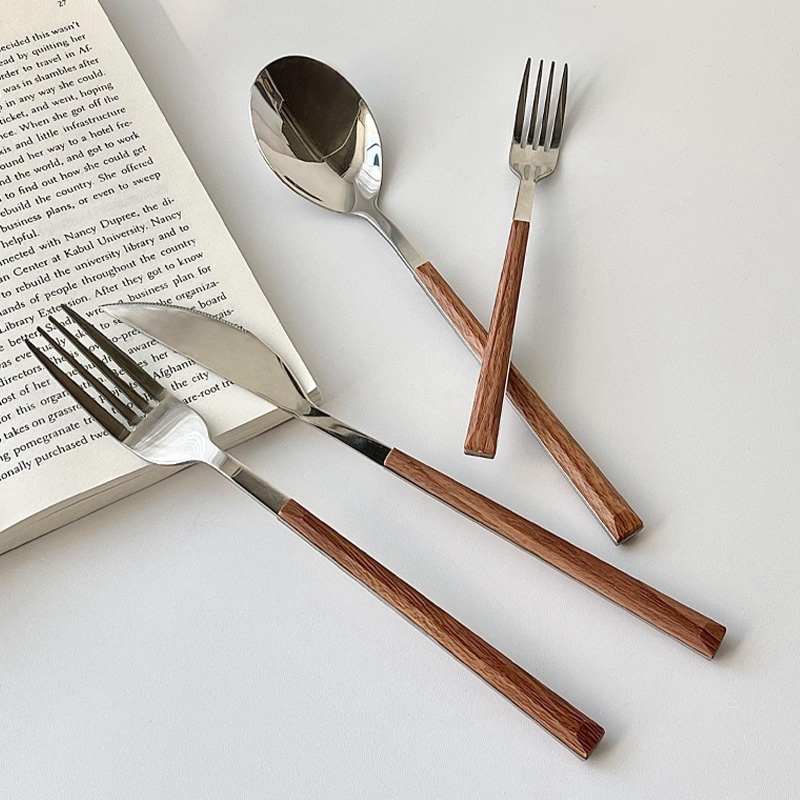
try out a woodworking spoon from Homefelt—it’s durable, eco-friendly, and provides an aesthetically pleasing way to measure your ingredients.
6. Preserving the Flavor of Oils
It’s important to store cooking oils properly to preserve their flavor and nutritional value.
Most oils should be stored in a cool, dark place and tightly sealed to prevent oxidation.
Using fresh oil in your cooking will enhance the overall taste of your dishes, whether you’re making a rich sauce or frying vegetables.
Conclusion
While the calorie content of a spoon of oil may seem simple, understanding the different types of oils and their health benefits can help you make better dietary choices.
Whether you’re looking to preserve flavor, reduce calories, or make healthier cooking decisions, the right oil can make all the difference.
Homefelt offers an array of tools, including measuring spoons and utensils, to ensure that you can cook with precision and flavor.
How Many Centimeters is a Spoon?
How Long to Cook Spoon Roast?
Related Article