
How to Plan a New Stainless Steel Cutlery Product Launch for B2B Markets
How to Plan a New Stainless Steel Cutlery Product Launch for B2B Markets
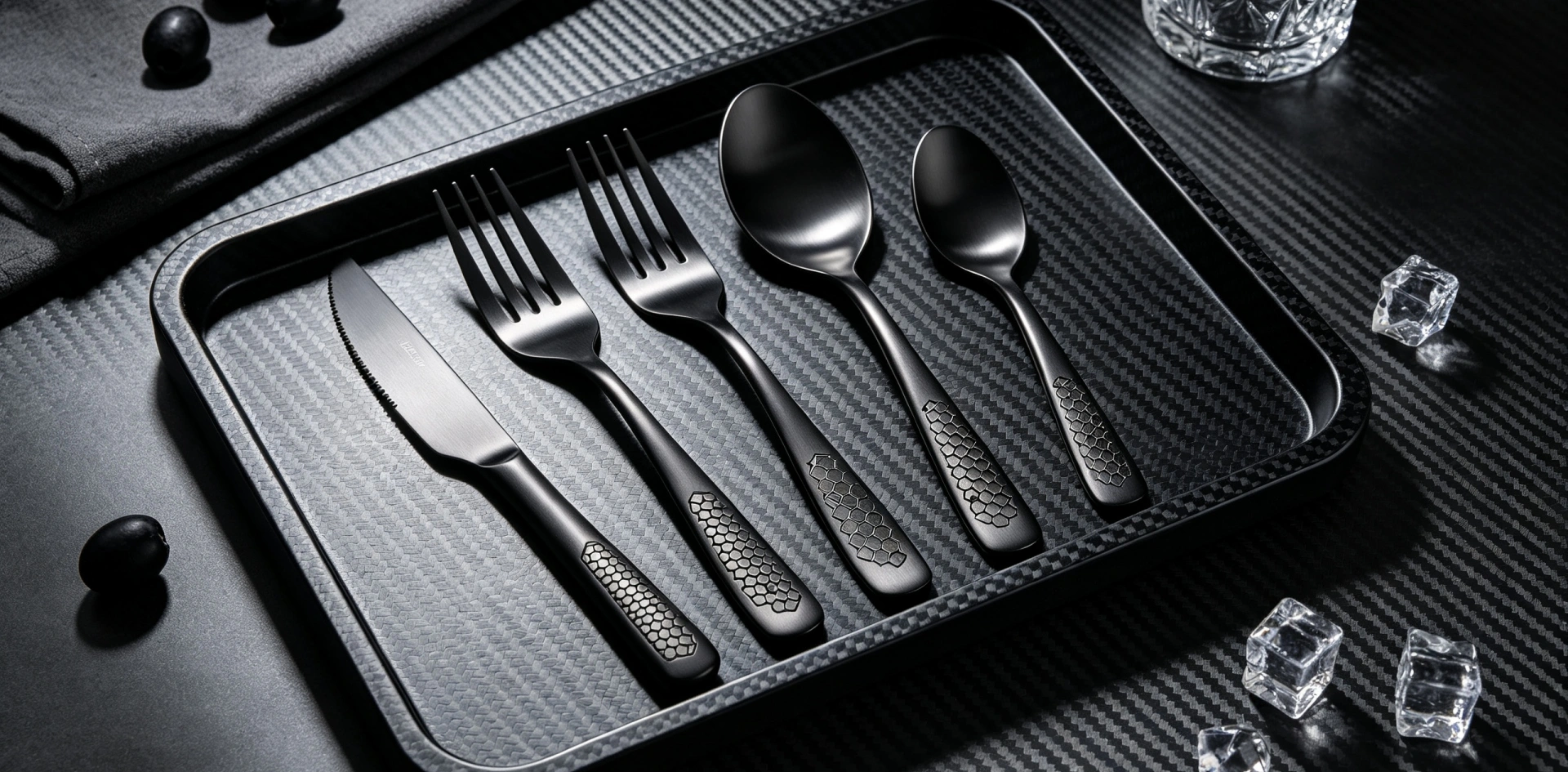
Launching a new stainless steel cutlery collection requires more than choosing an attractive knife, fork, or spoon. B2B buyers must coordinate product specifications, target customers, packaging, purchasing quantities, sales materials, and supplier schedules before the collection is ready for market.
For importers, wholesalers, distributors, and private-label brands, a well-organized launch plan helps connect product development with actual customer demand. It also gives the manufacturing partner a clearer understanding of the required models, production quantities, and delivery expectations.
Whether the launch involves a new stainless steel flatware set, an expanded spoon range, or a customized collection for retail customers, the key is to make important decisions in a logical sequence.
Define the Purpose of the New Cutlery Collection
Before selecting models, identify why the new collection is needed. A clear commercial objective helps determine the product features, price positioning, packaging, and quantity required for launch.
Common launch objectives include:
-
Introducing a new design to an existing customer base.
-
Expanding a wholesale catalog with additional cutlery styles.
-
Developing a private-label collection for retail distribution.
-
Creating a coordinated knife, fork, and spoon range for a specific market segment.
-
Replacing an existing model that no longer fits customer requirements.
-
Offering customized flatware to meet a buyer's branding or packaging needs.
These objectives may require different approaches. A wholesaler adding a standard spoon model may prioritize dependable supply and competitive pricing. A brand introducing a distinctive flatware collection may focus more on design consistency, retail presentation, and recognizable branding.
The launch objective should be specific enough to guide purchasing decisions. Instead of simply aiming to introduce a premium cutlery collection, a buyer can define the intended customer group, sales channel, desired product range, and commercial price level.
Select Product Models Based on Customer Requirements
A product launch can become unnecessarily complicated if too many models are introduced before demand is understood. Buyers should select a manageable initial range that reflects the needs of their target market.
For stainless steel cutlery, relevant product characteristics may include material grade, length, thickness, weight, handle shape, surface finish, and intended use. The importance of each feature depends on the buyer's customers and the product's intended positioning.
A useful model-selection process includes:
-
Identify the customer group and expected purchasing application.
-
Compare available knife, fork, and spoon designs.
-
Confirm the required material and product dimensions.
-
Review finish, handle appearance, and overall design consistency.
-
Decide whether standard products or customized models are more suitable.
-
Confirm which models should be included in the first launch.
For example, a distributor developing a coordinated flatware range may select a table knife, dinner fork, dinner spoon, and teaspoon with compatible visual proportions. A specialist retailer may instead introduce a smaller selection of distinctive pieces to test customer response.
Product selection should be based on confirmed specifications rather than photographs alone. Two models that look similar may have different dimensions, weights, or finishes, which can influence both customer expectations and the final quotation.
Build a Product Specification Sheet Before Ordering
Once the initial models have been selected, prepare a specification sheet for each item. This gives purchasing, sales, quality, and manufacturing teams a common reference.
A practical specification sheet can include:
| Specification | Information to confirm |
|---|---|
| Product identification | Product name, model number, and collection name |
| Material | Confirmed stainless steel grade or material description |
| Dimensions | Length, thickness, and other relevant measurements |
| Weight | Actual or approved reference weight, with measurement basis |
| Finish | Mirror, satin, colored coating, or another specified finish |
| Design | Handle pattern, shape, and decorative details |
| Branding | Logo location and approved application method |
| Packaging | Individual packaging, retail box, or bulk packing |
| Order details | Initial quantity and any model-specific requirements |
Not every product needs the same level of technical detail, but the information should be sufficient to distinguish the models and communicate their characteristics accurately.
If a product requires customization, the specification sheet should identify the confirmed changes from the standard model. This helps prevent a design discussion from being mistaken for final production approval.
Confirm Branding and Packaging Before the Launch Date
Branding and packaging influence how a new cutlery collection is presented to customers. They can also affect the project schedule, particularly when packaging includes custom dimensions, printed artwork, inserts, or specific retail display requirements.
Before placing the order, confirm the brand name, logo artwork, packaging format, product arrangement, labeling information, and carton requirements. Buyers should also review the available packaging space against the actual dimensions of the cutlery and the intended presentation.
A launch package may include individual product photographs, model descriptions, material information, and a consistent visual identity across the collection. These assets help distributors present the new range clearly to their own customers.
For private-label projects, packaging approval should be coordinated with product approval. A box designed for one set configuration may not fit a revised assortment, and an updated logo file may need to be reflected across several models.
Homefelt factory can discuss customized stainless steel cutlery, OEM/ODM development, private-label requirements, and packaging coordination with B2B buyers. Buyers should provide the intended brand positioning and packaging expectations early so that product and presentation decisions can be evaluated together.
Plan the Initial Order Quantity Carefully
The first production order should support the launch without creating unnecessary inventory pressure. An order that is too small may not cover the planned distribution needs, while an overly large order can tie up working capital before customer demand is understood.
Buyers can estimate the initial quantity by considering:
-
Expected demand from existing customers.
-
The number of sales channels involved in the launch.
-
Planned retail or distributor promotions.
-
The number of product models in the collection.
-
Supplier minimum order requirements.
-
Available warehouse space and inventory budget.
-
Replenishment time if additional stock is required.
Where several models are launched together, quantity allocation deserves particular attention. A complete collection may include several pieces with different demand levels, and ordering the same quantity of every model may not reflect actual sales expectations.
Buyers should also confirm whether quantities can be adjusted across models, whether products can share packaging components, and how repeat orders will be handled. These discussions are especially relevant for OEM/ODM projects and private-label collections.
Coordinate the Factory Schedule With Commercial Milestones
A product launch depends on several connected activities. Specifications must be finalized before production references are fixed, packaging needs sufficient preparation time, and shipment arrangements must align with the intended market availability date.
A practical launch schedule can be organized around these milestones:
-
Product concept and target-market requirements confirmed.
-
Models and technical specifications selected.
-
Customization and packaging details reviewed.
-
Samples evaluated where necessary.
-
Final specifications and artwork approved.
-
Quotation and purchase order confirmed.
-
Production and quality checks completed.
-
Packaging, shipping documents, and transport arrangements coordinated.
-
Product information and sales materials prepared for launch.
The actual timing will depend on the product design, customization requirements, packaging complexity, order quantity, and production schedule. Buyers should obtain a project-specific timeline from the supplier rather than relying on a general estimate.
It is also helpful to identify which decisions must be completed before the next stage begins. Late changes to a handle design, finish, or retail box can affect downstream work and potentially shift the launch date.
Prepare Sales Information Before Products Arrive
A new collection is easier to introduce when sales teams have accurate product information before the shipment reaches the warehouse.
Useful materials may include a product catalog, model comparison sheet, specification list, approved product photographs, packaging images, and a concise explanation of the collection's key features. Distributors may also need pricing information and product references that match their ordering systems.
Descriptions should be specific and verifiable. If a model has a confirmed material grade or a tested performance characteristic, the information can be included where appropriate. Unsupported claims about corrosion resistance, food-contact compliance, or durability should not be added simply to make a product appear more attractive.
For B2B sales, consistency is especially important. The specifications shown in a catalog should match the actual models available for quotation and supply. This helps reduce questions from customers and avoids confusion when an order is placed.
Monitor the Launch and Improve the Next Order
The first shipment provides useful information about how the collection performs in the market. Buyers should monitor more than total sales; the reasons behind customer decisions can help improve later purchasing and product development.
Useful indicators include:
-
Customer inquiries by product model.
-
Quotation requests and order conversion.
-
Sales distribution across different models.
-
Customer comments about appearance, dimensions, or packaging.
-
Inventory remaining after the initial selling period.
-
Requests for additional pieces or alternative finishes.
-
Reasons customers choose competing products.
If a particular spoon model attracts strong interest but another item receives few inquiries, the buyer can investigate whether the difference relates to pricing, product presentation, customer needs, or the selected distribution channel.
Feedback should be recorded and used to guide the next order. Adjustments may involve changing the model mix, revising product descriptions, improving packaging, or adding a suitable complementary design.
How Homefelt Factory Supports B2B Cutlery Launches
A successful launch connects the buyer's commercial plan with a realistic manufacturing and supply arrangement. Homefelt factory supports stainless steel knife, fork, spoon, and flatware projects involving customization, OEM/ODM manufacturing, wholesale, private label, and bulk production.
Buyers can discuss standard models or customized product concepts, confirm specifications, and review packaging requirements before requesting a quotation. For projects requiring broader coordination, product design, packaging development, and transportation planning can be discussed as part of a one-stop service arrangement.
To prepare for a productive discussion, share the intended market, target product style, required models, estimated order quantity, branding requirements, and expected launch date. These details help establish a clearer project scope and identify the next steps.
A disciplined launch plan reduces uncertainty by connecting product decisions, production requirements, and sales preparation. With clear specifications and realistic milestones, B2B buyers can introduce stainless steel cutlery collections more efficiently and build a stronger foundation for repeat orders.
You May Be Interested In
How to Plan Replacement Pieces for Stainless Steel Cutlery Collections
How to Keep Stainless Steel Cutlery Export Documents Consistent for Customs Clearance
Related Article



