How to Teach Baby to Eat with a Spoon?
How to Teach Baby to Eat with a Spoon?
Introducing solid foods to a baby is a significant milestone in their early development, and learning to eat with a spoon is an essential part of this process.
While it can seem like a daunting task for both parents and babies, with the right approach and tools, spoon-feeding can be a positive and enjoyable experience.
In this article, we’ll discuss how to teach a baby to eat with a spoon, the types of food to serve, and how to make the experience fun and educational for your little one.
Along the way, we'll incorporate some tips on choosing the right spoons and utensils, like those from Homefelt, known for its high-quality and ergonomic designs.
1. When Should You Start Spoon-Feeding?
Before jumping into the specifics of teaching your baby to use a spoon, it’s important to know when they are developmentally ready.
Most babies start showing interest in solid foods around 4 to 6 months old. However, they usually don’t start using a spoon themselves until they are about 9 to 12 months old.
At this stage, babies are learning to develop their hand-eye coordination and fine motor skills, which are essential for spoon-feeding.
Signs That Your Baby is Ready for Spoon-Feeding:
- Your baby can sit up with support.
- They can hold their head steady and have some control over their movements.
- They show interest in watching you eat and may open their mouth when food is offered.
- They are able to grab objects, like a spoon, with their hands, though they may not yet be able to aim accurately.
2. Choosing the Right Spoon for Your Baby
When it comes to spoon-feeding, the right spoon can make all the difference. For babies, look for spoons that are designed specifically for them.
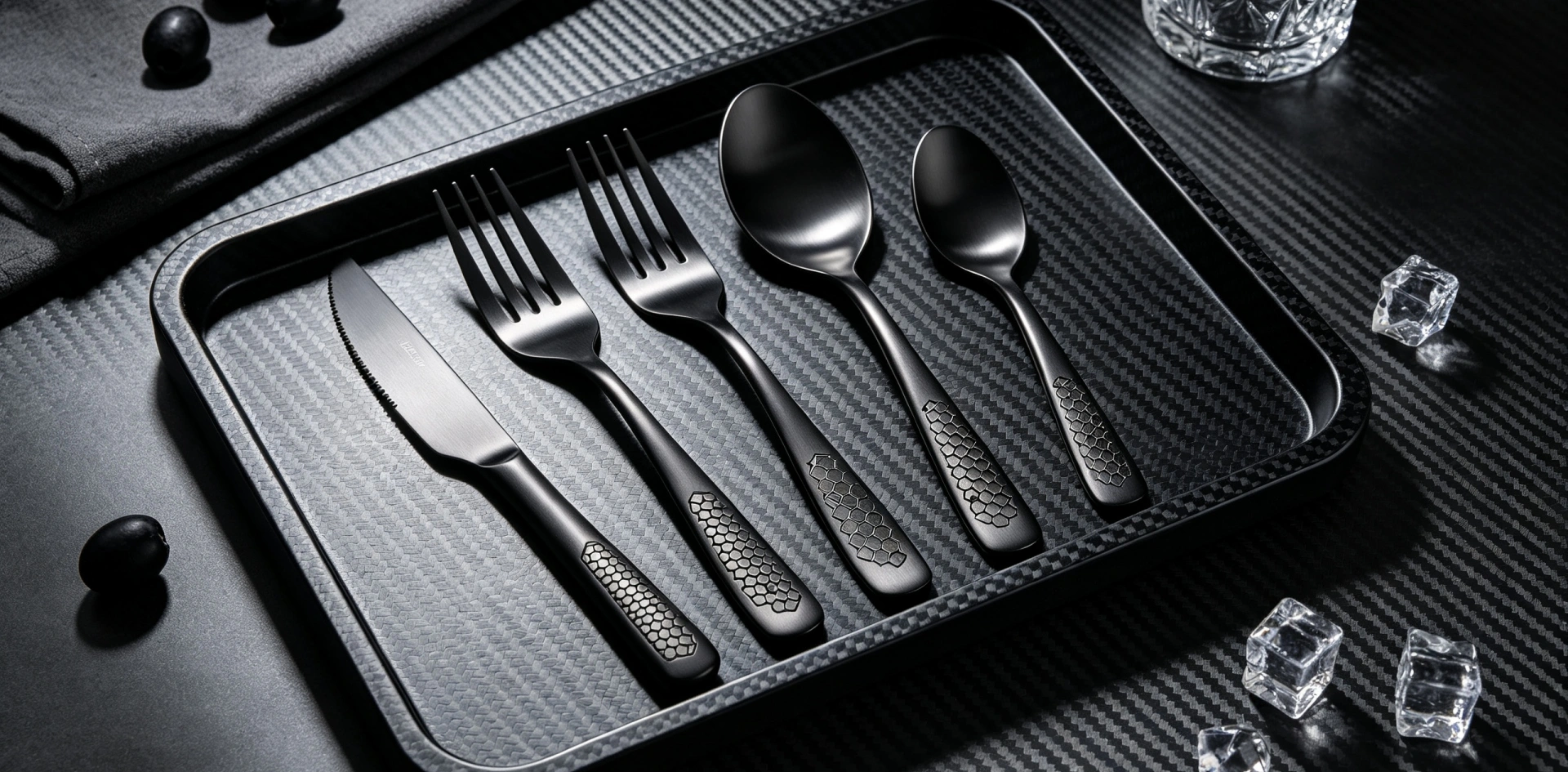
Homefelt offers ergonomic spoons with soft tips and handles that are easy for little hands to grip.
Choosing a spoon that fits your baby's mouth size and is comfortable for them to hold will make the transition to self-feeding much easier.
Why Soft-Tipped Spoons Are Best:
They’re also easy to clean and won’t damage delicate mouths.
Homefelt baby spoons are made with non-toxic materials and are free from harmful chemicals, so you can rest assured they’re safe for your little one.
3. Introducing Spoon-Feeding to Your Baby
When it comes to teaching your baby to eat with a spoon, patience is key.
Babies are naturally curious and eager to learn, but they will need time to get the hang of using a spoon. Here are a few tips to help make the learning process smooth:
A. Start with Simple Foods:
Begin by serving soft, easy-to-swallow foods like mashed bananas, applesauce, or yogurt.
These foods are easier for babies to scoop with a spoon and less likely to cause a mess.
B. Demonstrate the Process:
Show your baby how you use the spoon by scooping food and bringing it to their mouth.
Babies love to mimic adults, so watching you eat with a spoon will help them understand the process.
C. Make the Experience Fun:
To keep your baby engaged, try using colorful spoons and bowls that catch their attention.
Incorporate some fun activities into mealtime, like singing a wild song or playing a game where your baby scoops the food off the spoon and feeds themselves.
D. Be Patient:
It may take several attempts before your baby successfully uses the spoon.
Don’t be discouraged by spills or messy moments—this is all part of the learning process.
4. Encouraging Self-Feeding
Once your baby is comfortable with the spoon and has started to take some bites, you can begin encouraging them to try feeding themselves.
This is an exciting stage in their development, and they’ll enjoy the independence that comes with it. Allow your baby to hold the spoon on their own, but be ready to assist when needed.
A. Start with Spoon Meals:
For babies who are learning to feed themselves, try serving simple spoon food like pureed vegetables or soft cereals.
These are easy for babies to scoop with a spoon and can help build their confidence in using the utensil.
B. Give Praise and Encouragement:
Offer lots of praise when your baby successfully feeds themselves.
Positive reinforcement will help them feel proud of their accomplishments and encourage them to continue practicing.
5. The Importance of Routine and Consistency
Teaching your baby to eat with a spoon is not a one-time event—it’s a process that requires consistency and practice.
Make spoon-feeding a regular part of your daily routine, and try to incorporate it into your mealtime schedule.
Over time, your baby will become more proficient in using a spoon and will enjoy mealtime more.
6. Troubleshooting Common Challenges
A. Refusing the Spoon:
If your baby refuses the spoon, don’t force it. It’s important to respect their developmental pace.
You can try offering the spoon again later or introducing a new type of spoon.
B. Messy Eating:
Mess is part of the learning process! Allow your baby to make a mess—it’s an important step toward developing motor skills and learning how to feed themselves.
7. Conclusion
Teaching your baby to eat with a spoon is an exciting and rewarding milestone.
By choosing the right utensils, offering the right foods, and encouraging independence, you can help your baby master the art of spoon-feeding.
With the right tools, like Homefelt baby spoons, and plenty of patience, your little one will soon be enjoying their meals with confidence.
How to Tie a Spoon Lure?
How to Spoon Feed a Baby?
Related Article