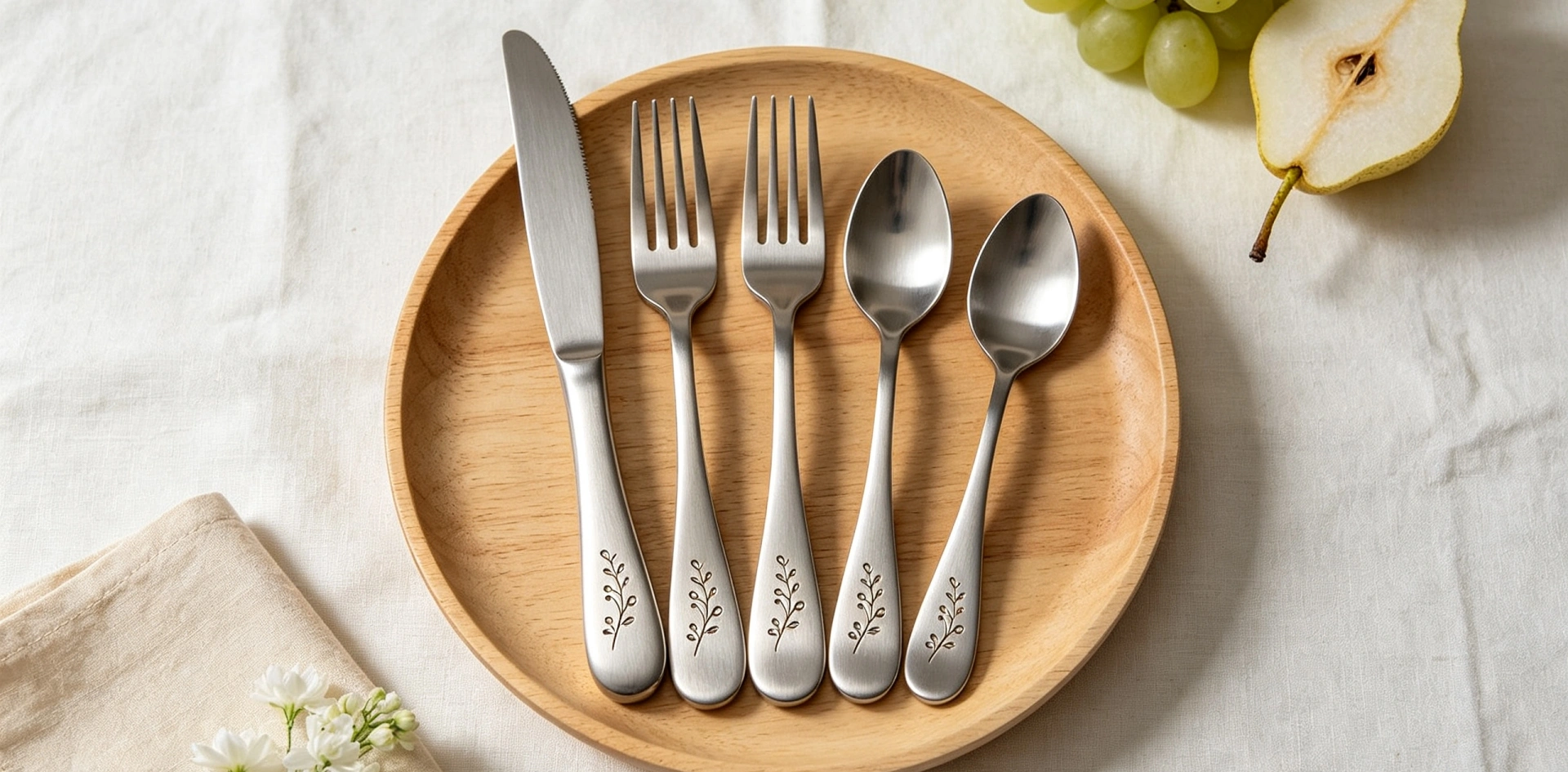
What Was Bronze Cutlery for in the 19th Century?
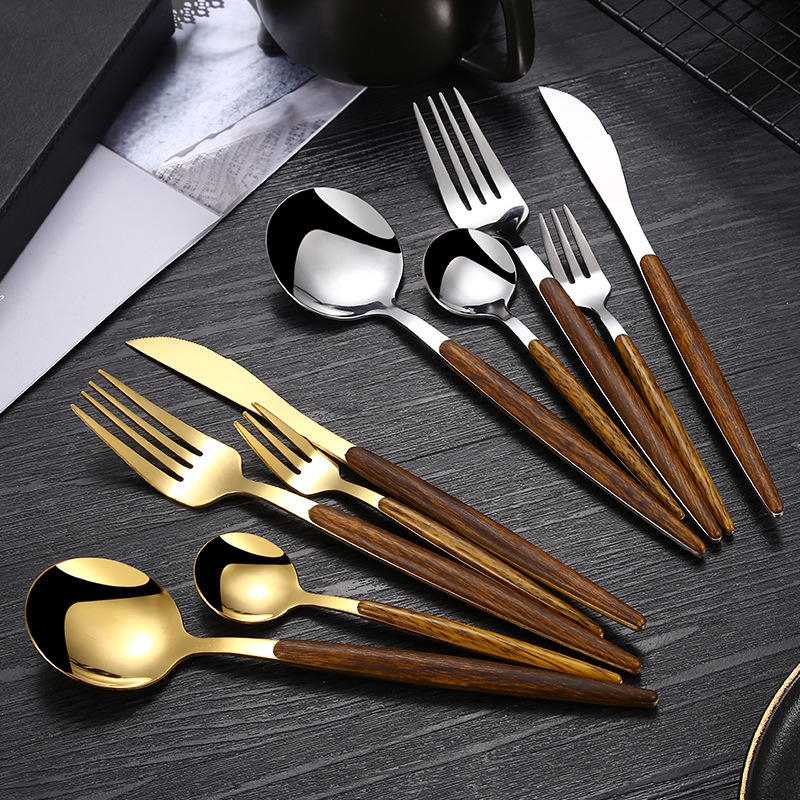
What Was Bronze Cutlery for in the 19th Century?
The 19th century was a transformative period in the history of dining, particularly with the development and evolution of cutlery.
One material that was prominent during this time for making eating utensils was bronze.
While the use of bronze cutlery may seem ancient to modern eyes,
it served specific functions in the 19th century that were important for the social customs of the time. In this article,
we will delve into the purpose of bronze cutlery in the 19th century and examine the evolution of gourmet settings,
cutlery pronunciation, cooking knives types, and how modern brands like Homefelt continue to influence the cutlery industry.
The Role of Bronze Cutlery in the 19th Century
During the 19th century, bronze cutlery was primarily used for everyday dining, especially among the upper class.
As more people began to dine in formal settings, the demand for durable and decorative cutlery grew.
Bronze was favored for its resistance to corrosion and tarnishing, making it a practical choice for utensils used during frequent meals.
Bronze cutlery was also used to show off wealth and status. People used finely crafted pieces of bronze,
often engraved or embellished with intricate designs, to display their social standing.
Bronze was not only used for forks and spoons, but also for other tools in the kitchen, such as cooking knives types.
This allowed wealthy individuals to have a complete set of tools for both cooking and dining.
Over time, gourmet settings started to incorporate different materials,
but bronze remained a staple for those who wanted durable, aesthetically pleasing dining utensils.
What Made Bronze Cutlery Unique?
One of the key features of bronze cutlery in the 19th century was its heavy weight. Unlike modern stainless steel,
which is often lighter and more ergonomic, bronze cutlery was robust and provided a distinct dining experience.
People who used bronze cutlery would often comment on how solid and substantial the utensils felt in their hands.
Additionally, bronze was much easier to mold into intricate shapes and designs,
making it popular for creating gourmet settings that reflected the wealth and tastes of the time.
Bronze pieces often featured fine details, including filigree patterns, images of historical figures, and floral motifs, which added to their visual appeal.
The Shift to Other Materials
By the late 19th century, bronze cutlery began to be replaced by other materials, such as stainless steel,
which offered greater durability and easier maintenance. However, bronze cutlery continues to be a valuable collectible today,
with antique pieces often fetching high prices at auctions.
Modern Impact: Homefelt and Beyond
While bronze cutlery may no longer dominate the dining tables of today,
its legacy lives on in the craftsmanship and attention to detail found in modern cutlery.
Brands like Homefelt continue the tradition of creating durable and beautiful cutlery,
whether it's stainless steel flatware or more specialized kitchen tools.
Their commitment to quality ensures that the spirit of 19th-century gourmet settings and fine dining continues to live on.
Conclusion
In the 19th century, bronze cutlery was an important part of everyday life, used for dining, cooking, and showcasing wealth.
Though it has since been replaced by more modern materials, the influence of gourmet settings and intricate craftsmanship remains in today's cutlery.
Whether you're interested in the history of cutlery pronunciation or the latest in cooking knives types,
brands like Homefelt continue to offer products that uphold the timeless tradition of high-quality dining tools.
Where Can I Buy Cutco Knives?
What is Spoonful of Comfort?
Related Article