
What is a Spoon Made Out Of?
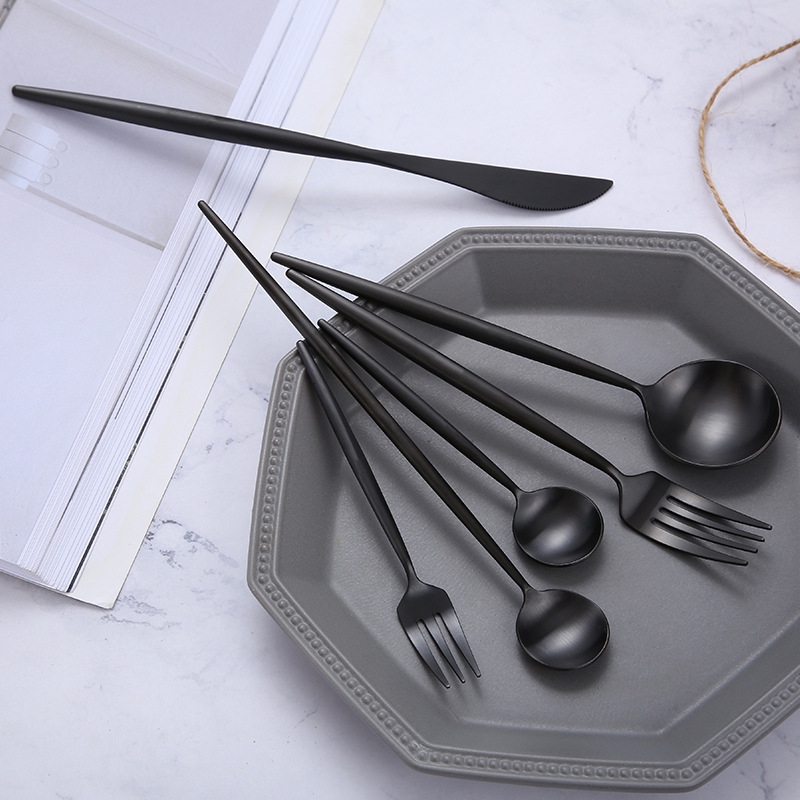
What is a Spoon Made Out Of?
When you think of spoons, you likely envision a simple, functional utensil designed for eating, cooking, or serving.
But have you ever wondered what spoons are made out of? The material of a spoon can significantly affect its functionality, durability,
and aesthetic appeal. In this article, we’ll explore the various materials spoons are made from,
from traditional spoon livery to modern materials like silicone, and how products from Homefelt are crafted to meet diverse needs.
1. The Materials Behind Spoons: A Historical Perspective
Historically, spoons have been made from a variety of materials, each with its own advantages.
Early spoons were crafted from natural materials like wood, bone, and stone, while later innovations introduced metals like bronze and silver.
Today, spoons are commonly made from stainless steel, plastic, and silicone, each chosen for its unique properties.
1.1 Wood and Bone: Traditional Spoon Materials
In ancient times, spoons were often made from wood, bone, or horn. These materials were easily accessible and could be shaped by hand.
Spoon livery, for example, was a common term used in historical contexts to refer to spoons made from these materials.
2. Modern Spoon Materials: Stainless Steel, Silicone, and More
Today, spoons are made from a wide range of materials, each selected for different purposes.
The most common materials include stainless steel, plastic, and silicone.
These materials offer a variety of benefits, from durability and resistance to heat to ease of cleaning.
2.1 Stainless Steel: The Standard for Durability and Elegance
Stainless steel spoons are known for their durability, resistance to corrosion, and elegant appearance.
These spoons are often used in formal settings, as well as for everyday dining.
They’re easy to clean and maintain, making them the most popular choice for most households.
2.2 Silicone: A Modern, Flexible Option
Silicone spoons are a modern addition to the culinary world. Known for their flexibility, heat resistance, and ease of use,
silicone spoons are perfect for non-stick cookware and are often used in baking.
Homefelt offers a range of silicone serving spoons that make stirring, scooping, and serving easy and safe.
3. Spoon Events: Celebrating Spoon Culture
The concept of spoon events has gained popularity in recent years, with enthusiasts celebrating the art and history of spoons through workshops,
exhibits, and even festivals. These events highlight the diverse materials and techniques used in spoon making,
from traditional wooden spoons to modern innovations like spoon auto accessories designed for specific uses.
4. Why Choose Homefelt’s Spoons?
At Homefelt, we pride ourselves on crafting spoons that combine traditional techniques with modern materials.
Whether you’re looking for spoon livery designs, practical silicone spoons, or durable stainless steel options,
our spoons are made to meet your needs with precision and care.
5. Conclusion
A spoon is more than just an eating utensil—it’s a reflection of craftsmanship, history, and material innovation.
Whether you’re using a spoon livery design or opting for a modern silicone spoon, each material has its unique advantages.
At Homefelt, we create spoons that bring both function and beauty to your kitchen.
So, the next time you reach for a spoon, take a moment to appreciate the craftsmanship and materials that make it the perfect tool for your kitchen.
Why Are Animal-Themed BPA-Free Feeding Sets the Best Choice for Your Toddlers Mealtime
What is a Slotted Spoon Used for in Cooking?
Related Article



