
A Scientific Guide to Selecting Optimal Tableware for Children
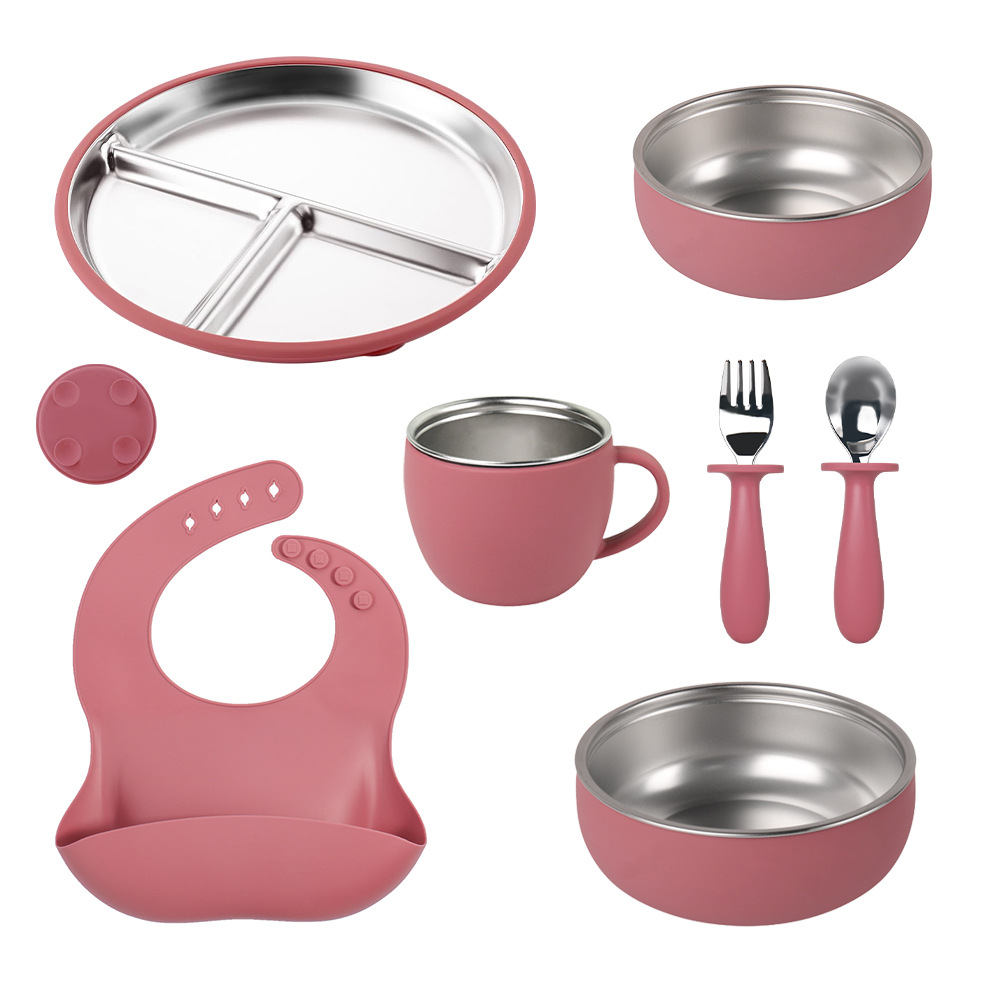
Navigating the complex landscape of children's tableware presents one of the many challenges conscientious parents face, particularly when balancing safety concerns, developmental appropriateness, and practical functionality. Drawing from extensive hands-on experience and current scientific understanding, child development specialists and seasoned parents alike are advocating for a staged approach to tableware selection: pliable silicone during the critical 0-12 month period, transitioning to hybrid silicone-stainless steel combinations as children approach their first birthday. This carefully considered progression supports optimal oral development, ensures chemical safety, and facilitates the natural transition toward independent eating skills.
The recommendation for exclusive silicone use during infancy rests upon three foundational pillars: anatomical vulnerability, sensory exploration needs, and chemical exposure minimization. During the first year, an infant's oral structures—including gums, emerging teeth, and the delicate palate—are undergoing rapid development and remain particularly susceptible to damage from rigid materials. The mouth serves as a primary sensory organ during infancy. Soft, pliable silicone accommodates this exploratory behavior without presenting the impact hazards associated with harder materials. Furthermore, the gentle give of food-grade silicone supports the natural shaping of the palate and proper alignment of emerging teeth, unlike rigid plastics or metals that can transfer excessive force to developing dental structures.
Material Matters: The Critical Importance of LFGB-Certified Silicone
The specific recommendation for LFGB-certified silicone represents a crucial distinction that transcends marketing claims to address fundamental safety concerns. While many regions maintain their own food safety standards, Germany's LFGB (Lebensmittel- und Futtermittelgesetzbuch) regulations represent arguably the most stringent global benchmark for food-contact materials. LFGB certification requires comprehensive migration testing that evaluates whether harmful substances transfer from the material to food, particularly under stress conditions including high temperatures, prolonged contact, and exposure to acidic or fatty foods.
The LFGB standard's superiority lies in its holistic approach to safety assessment, beyond basic composition analysis, LFGB testing subjects materials to real-world scenarios—microwave heating, dishwasher cleaning, mechanical stress—and analyzes not just for known hazardous substances but for any detectable migration that could indicate material breakdown. For silicone products, this specifically includes testing for siloxane oligomers that some less rigorous standards may overlook. This comprehensive evaluation becomes particularly critical for teething infants, whose combination of saliva exposure, chewing pressure, and developing metabolic systems creates heightened vulnerability to potential contaminants.
The manufacturing process for premium LFGB-compliant silicone involves platinum-catalyzed curing rather than the peroxide catalysts used in conventional food-grade silicone. This advanced manufacturing approach eliminates potential byproducts while creating a more stable polymer matrix that resists degradation over time. The difference between standard food-grade silicone and LFGB-certified platinum silicone becomes apparent through extended use. LFGB-certified materials maintain their structural integrity and colorfastness through hundreds of dishwasher cycles without developing the slight tackiness or odor absorption that indicates polymer breakdown in inferior products.
Developmental Milestones: How Tableware Supports Eating Skill Acquisition
The first year of life witnesses the dramatic transition from reflexive sucking to coordinated chewing and swallowing, with tableware playing a surprisingly significant role in this progression. Soft-tipped silicone spoons with shallow bowls accommodate an infant's sensitive gag reflex while allowing caregivers to safely introduce first foods. As the palmar grasp emerges around 6-8 months, lightweight silicone utensils with oversized handles support early self-feeding attempts without the frustration or potential injury associated with heavier, harder alternatives.
The inherent high-friction coefficient of quality silicone also prevents bowl and plate sliding—a common frustration during early self-feeding attempts that can discourage persistence.
The Twelve-Month Transition: Introducing Stainless Steel with Continuing Silicone Support
The recommendation to introduce stainless steel around the first birthday coincides with several developmental milestones: refined pincer grasp, emerging molar teeth, decreased gag reflex, and increased jaw stability. However, the transition involves thoughtful integration rather than abrupt replacement. Hybrid designs that pair 304 stainless steel functional ends with silicone-coated handles provide an ideal intermediate step, offering the efficiency of metal with the safety and grip of silicone.
The selection of 304 stainless steel (containing 18% chromium and 8% nickel) for children's tableware represents the optimal balance of corrosion resistance, durability, and cleanability. The chromium content enables the formation of a protective oxide layer that prevents rust, while nickel enhances durability and maintains the material's luster.
Practical implementation of the staged approach involves strategic product selection at each phase. For early infancy, simple LFGB-certified silicone spoons and suction-backed plates support initial food exploration. As self-feeding emerges, combination sets with varying spoon bowl depths and fork configurations accommodate different food textures. The transition period incorporates stainless steel with silicone safety sheaths, progressing to predominantly stainless steel with silicone elements reserved for grip enhancement and thermal protection.
This thoughtful, developmentally-informed approach to tableware selection represents more than mere convenience—it constitutes an investment in building healthy eating habits, supporting oral motor development, and minimizing chemical exposure during critical developmental windows. By matching material properties to developmental needs, parents can transform daily meals into opportunities for growth while ensuring the highest standards of safety.
Evidence-Based Tableware Recommendations from 24 Months of Hands-On Experience
"Touchdown Series" Grilling Tools



