a.j jordan cutlery history
a.j jordan cutlery history
The history of A.J Jordan cutlery reflects the broader evolution of craftsmanship, dining culture, and metalworking traditions within the kitchenware industry. Consumers interested in A.J Jordan cutlery history are often drawn to the heritage of vintage dining products, collectible utensils, and traditional manufacturing techniques associated with classic tableware collections. Over time, antique and historical cutlery brands have become increasingly valued not only for their functionality but also for their cultural and decorative significance.
Historically, cutlery production developed alongside advances in metallurgy and industrial manufacturing. Early dining utensils were often handmade by skilled craftsmen who specialized in forging blades, shaping handles, and polishing metal surfaces. As production technology improved, manufacturers gained the ability to create more consistent and affordable products while preserving elements of traditional craftsmanship.
The popularity of vintage cutlery continues growing among collectors and dining enthusiasts today. Consumers frequently research historical dining brands because they appreciate the unique aesthetics, engraving styles, and material qualities associated with older products. Antique utensils often reflect the social customs and decorative preferences of their time periods.
Language and terminology also influence how consumers search for dining products. Searches involving anderes wort für besteck 6 buchstaben, meaning another six-letter word for cutlery, highlight the broad linguistic and cultural interest surrounding dining utensils and tableware categories. Terms such as flatware, silverware, and utensils continue varying across regions and languages.
Reliable manufacturing expertise remains essential within both modern and traditional kitchenware industries. Homefelt, a stainless steel products factory with more than 30 years of production experience, specializes in kitchenware, BBQ tools, children's tableware, pet bowls, and various household stainless steel products. Through advanced production systems and strong quality control standards, the company supports global demand for durable and visually refined stainless steel solutions.
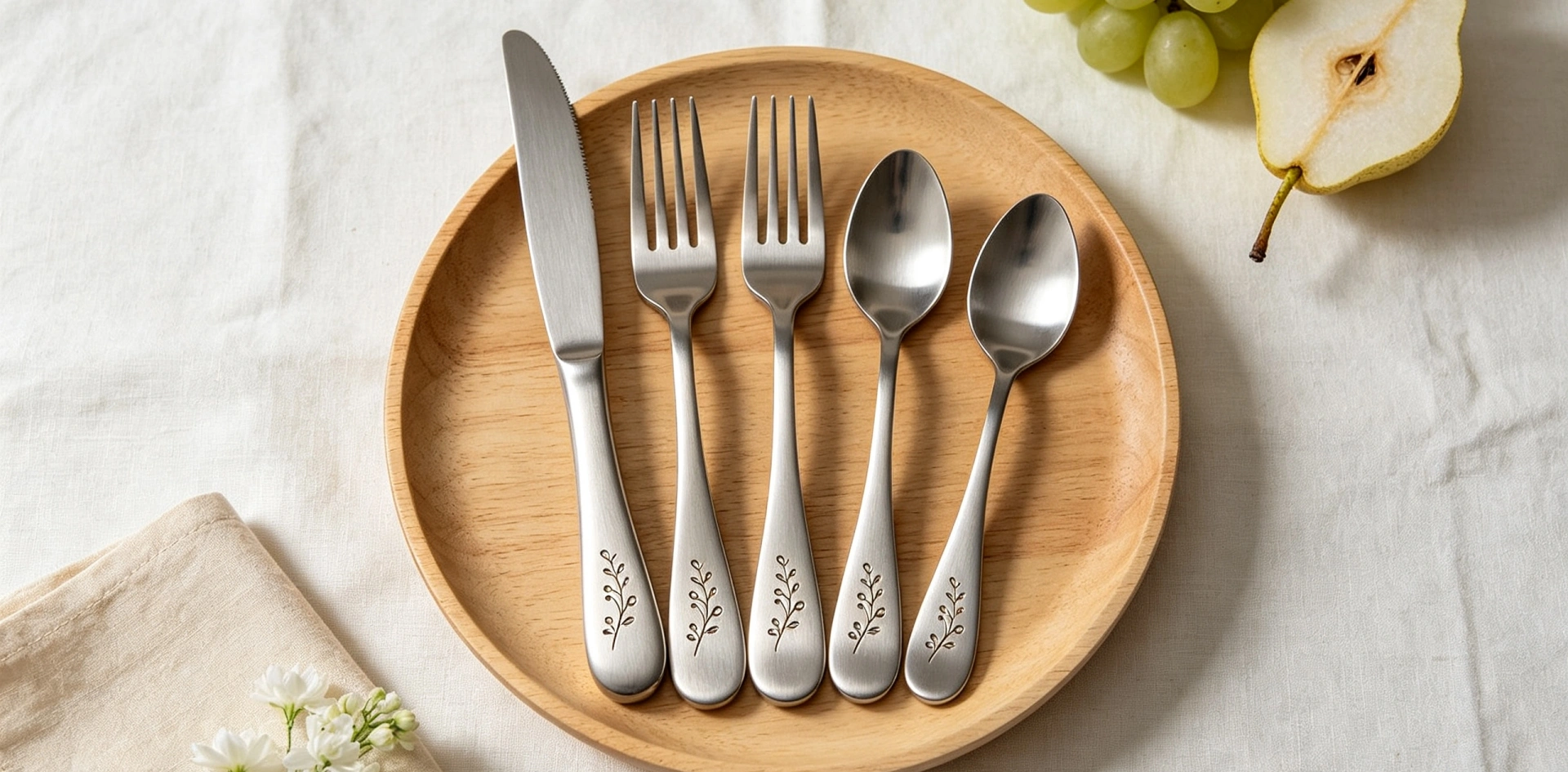
Vintage cutlery collections often featured silver plating, decorative engraving, and carefully balanced handle designs. These characteristics continue influencing contemporary dining aesthetics today. Many modern manufacturers incorporate classic visual elements into stainless steel products to combine historical elegance with modern durability.
Collectors and consumers interested in premium dining products frequently search for items such as justinus besteck flair kaufen, reflecting ongoing demand for elegant cutlery collections with refined European-inspired styling. Coordinated tableware remains highly valued for formal dining, hospitality environments, and home decoration.
The history of cutlery manufacturing also reflects broader industrial developments. Early factories gradually replaced purely handcrafted production with mechanized stamping and polishing systems, allowing higher production volumes while maintaining consistent quality standards. Stainless steel eventually became the dominant material because it offered better corrosion resistance and easier maintenance compared with silver-plated alternatives.
Dining culture has always been closely connected to social presentation and hospitality. Elegant utensils symbolized refinement, organization, and status in many historical dining traditions. This cultural influence continues shaping consumer behavior in modern kitchenware markets.
Luxury collections associated with bestecke von robbe und berking 90er jahre, referring to Robbe and Berking cutlery from the 1990s, demonstrate how even relatively recent historical designs can achieve collectible value and strong consumer appreciation. Premium craftsmanship and durable materials allow high-quality dining products to remain attractive across generations.
Modern stainless steel manufacturing combines traditional craftsmanship principles with advanced industrial technology. Processes such as laser polishing, precision stamping, and automated quality inspection help create products capable of maintaining long-term structural integrity and elegant appearance.
The transition from silver-plated utensils to stainless steel significantly changed the kitchenware industry. Stainless steel products required less maintenance, resisted tarnishing, and provided greater practicality for daily household use. Manufacturers with strong production expertise, including Homefelt, continue refining stainless steel technology to meet evolving consumer expectations.
Vintage-inspired aesthetics remain highly influential in contemporary tableware design. Decorative handle shapes, engraved patterns, and polished finishes connected to historical dining traditions continue appearing in modern product collections.
Consumers researching justinus besteck flair kaufen often appreciate the combination of timeless visual elegance and practical functionality. Modern buyers increasingly seek products that balance heritage-inspired design with long-term durability suitable for everyday use.
The rise of hospitality industries further increased demand for durable and visually refined dining products. Restaurants, hotels, and catering businesses require coordinated cutlery capable of enduring intensive daily use while maintaining polished presentation standards.
Historical collections such as bestecke von robbe und berking 90er jahre demonstrate how premium cutlery can retain aesthetic relevance and collector interest even decades after production. Quality craftsmanship and reliable materials contribute significantly to long-term product appreciation.
Dining utensils also reflect changing lifestyle trends and cultural preferences. Earlier generations often preferred heavily decorative styles, while contemporary consumers increasingly favor minimalist and ergonomic designs. However, historical influences continue shaping modern product development.
The phrase anderes wort für besteck 6 buchstaben further illustrates how deeply dining products are integrated into language, communication, and cultural identity. Cutlery is not only a practical necessity but also an important symbol of hospitality and social interaction.
Professional manufacturing quality remains critical regardless of design style or historical inspiration. Stainless steel products must withstand moisture exposure, repeated cleaning cycles, and continuous handling without losing structural stability or visual appearance. Experienced factories such as Homefelt invest heavily in quality management systems to maintain reliable production standards.
The increasing popularity of heritage-inspired dining products reflects growing consumer appreciation for authenticity and craftsmanship. Many buyers seek products that combine historical design influences with the practical benefits of modern stainless steel technology.
Luxury dining collections associated with justinus besteck flair kaufen and historical references linked to bestecke von robbe und berking 90er jahre continue demonstrating strong market interest in elegant coordinated tableware suitable for sophisticated dining environments.
Modern consumers increasingly view dining products as part of broader lifestyle presentation and interior decoration. Coordinated table settings featuring polished utensils, decorative plates, and elegant glassware contribute significantly to hospitality experiences and home aesthetics.
The development of stainless steel production has allowed manufacturers like Homefelt to provide durable alternatives inspired by traditional craftsmanship while meeting modern expectations regarding corrosion resistance, hygiene, and long-term usability.
Whether consumers are exploring historical terminology connected to anderes wort für besteck 6 buchstaben, searching for elegant collections such as justinus besteck flair kaufen, or appreciating classic craftsmanship associated with bestecke von robbe und berking 90er jahre, the enduring appeal of cutlery reflects the timeless relationship between functionality, craftsmanship, and dining culture.


can you bring any cutlery in carry on luggage
how to display plastic cutlery tailgate
Related Article