
Can Cutlery Go in Recycling
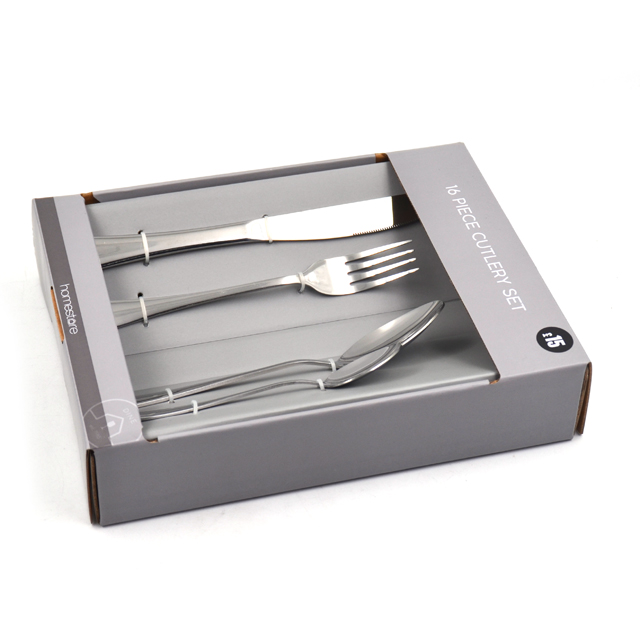
Can Cutlery Go in Recycling?
With increasing awareness of environmental issues and sustainability, many consumers are now more conscious of what can and cannot be recycled. As cutlery is often made from different materials such as stainless steel, plastic, or silver, it raises the question: can cutlery go in recycling? In this article, we will explore the recycling process for cutlery, including which types of cutlery are recyclable, and how Homefelt offers eco-friendly alternatives for those looking to reduce their environmental impact.
Types of Cutlery and Their Recyclability
The recyclability of cutlery depends on the materials it is made from. Some types of cutlery can be recycled, while others may require special treatment to ensure they do not harm the environment. Here's a breakdown of the recyclability of different types of cutlery:
Stainless Steel Cutlery: Stainless steel is one of the most recyclable materials used in cutlery. Stainless steel cutlery can be melted down and reused to create new items. This includes items such as forks, knives, and spoons made from stainless steel. Recycled stainless steel is valuable because it does not lose its strength or quality during the recycling process, making it a sustainable option for environmentally conscious consumers.
Plastic Cutlery: Plastic cutlery is generally not recyclable in standard curbside recycling programs. While some types of plastic can be recycled, the small size and variety of plastic used in disposable cutlery make it difficult to recycle effectively. If you are using plastic cutlery, it's important to dispose of it properly or consider using biodegradable or reusable alternatives.
Silver Cutlery: Silver cutlery, including besteck kunstvoll (artistic cutlery) and antique antikes chirurgisches besteck (antique surgical cutlery), is often made from sterling silver or plated silver. While silver is a valuable and recyclable material, recycling silver cutlery can be a bit more complicated because it may contain other metals that need to be separated before recycling. However, silver cutlery can still be melted down and reused if processed correctly.
Wooden or Bamboo Cutlery: While not as common, some cutlery is made from wood or bamboo, which is biodegradable. These materials can be composted, making them an eco-friendly choice for environmentally-conscious consumers. However, they are not recyclable in the traditional sense and should be disposed of in composting facilities.
Recycling Tips for Cutlery
If you're looking to recycle your cutlery, consider the following tips to ensure that your items are disposed of properly:
Stainless Steel: Stainless steel cutlery can usually be recycled by local scrap metal dealers or at recycling centers that accept metal products. Ensure that the cutlery is clean and free from food residue to avoid contamination during the recycling process.
Plastic: If your plastic cutlery is marked with a recyclable symbol, it may be accepted at specific recycling centers. However, be aware that many places do not accept plastic cutlery due to its small size and difficulty in processing.
Silver: If you have silver cutlery, consider selling it to a silver dealer or taking it to a recycling center that accepts precious metals.
Alternatives: For those looking to reduce their environmental impact, choosing Homefelt eco-friendly cutlery sets made from sustainable materials like bamboo or recycled stainless steel is a great way to ensure your utensils are both functional and environmentally responsible.
Homefelt and Sustainable Cutlery
At Homefelt, we are committed to providing high-quality, sustainable cutlery that can stand the test of time. By choosing Homefelt, you’re investing in cutlery that is not only durable and functional but also environmentally friendly. Our products are made with the utmost care, ensuring they are reusable, recyclable, and contribute to a more sustainable future.


How to Identify Silver Cutlery
Where Are United Cutlery Knives Made
Related Article



