
Do Autistic People Hold Their Cutlery Oddly
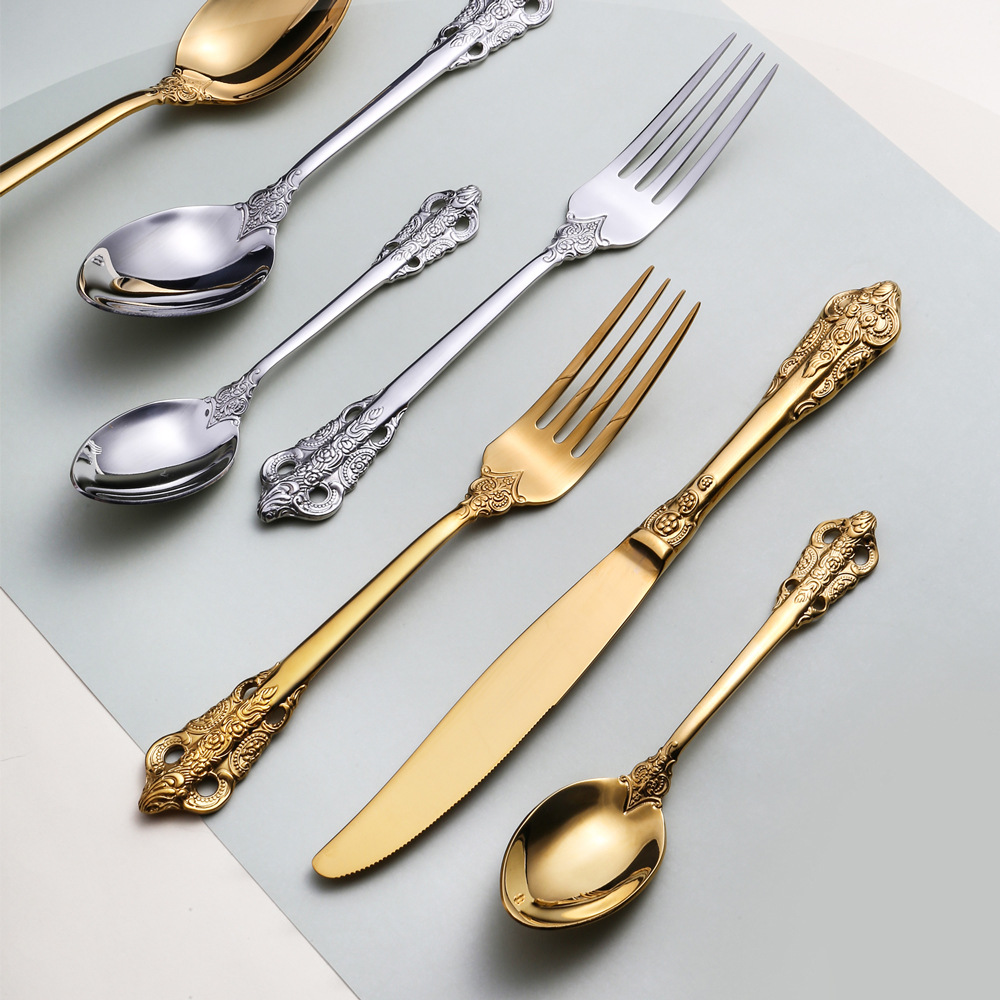
Do Autistic People Hold Their Cutlery Oddly
When exploring neurodiversity and eating habits, questions like do autistic people hold their cutlery oddly arise not from judgment, but from a desire to understand.
Autism Spectrum Disorder (ASD) is a complex neurological condition that influences behavior, sensory processing, and motor skills.
For many individuals on the spectrum, tasks such as eating with utensils can be challenging due to sensory sensitivities or fine motor coordination difficulties.
But the term "oddly" is subjective. What may seem different to some is often simply a reflection of adaptive techniques.
Some autistic individuals may hold their forks or spoons in a nontraditional manner, or prefer not to use certain utensils at all.
This is not an issue of etiquette or correctness—it’s about comfort and accessibility.
This brings attention to the importance of inclusive utensil design. At Homefelt, we recognize that one-size-fits-all approaches are outdated.
Our stainless steel cutlery range includes ergonomic handles, lightweight options, and rounded designs suitable for users of all abilities.
We believe cutlery should be not only functional but also empowering—designed with real people and their needs in mind.
Historic designs like Danish cutlery are praised for their balance and minimalism. Their streamlined shapes are easier to hold and visually calming, which can benefit autistic users.
Similarly, sets like Dartington Capri cutlery and Dartington cutlery reflect the power of well-designed utensils to enhance the user experience without overwhelming the senses.
At Homefelt, we take these design philosophies seriously. Our team of designers and engineers works closely with clients to develop products that combine durability, hygiene,
and accessibility. Whether for families, schools, or care facilities, we provide utensils that prioritize both independence and safety.
The key lies in balance. Autistic individuals may benefit from custom or modified cutlery, but such utensils should still feel like part of a dignified dining experience.
That’s where Homefelt excels. We craft products that are strong yet elegant, safe yet stylish. From our standard stainless steel lines to custom ergonomic series,
we ensure each piece serves a purpose—both functional and emotional.
Moreover, we assist brands and institutions in building inclusive dining environments.
Our large-scale production capabilities mean we can meet the demand for modified cutlery at institutional levels without sacrificing quality.
Whether it’s for therapeutic centers, inclusive schools, or households looking for gentle alternatives, Homefelt is a trusted partner in adaptive utensil solutions.
So the answer to do autistic people hold their cutlery oddly is layered. Some may, and it’s perfectly valid.
The responsibility lies with manufacturers, suppliers, and society to provide tools that meet those diverse needs.
At Homefelt, we stand by that responsibility—creating utensils that don’t just feed bodies, but support dignity, independence, and belonging for everyone at the table.
Do Bosh Dishwashers Come with No Cutlery Basket
Do Asians Use Cutlery
Related Article



