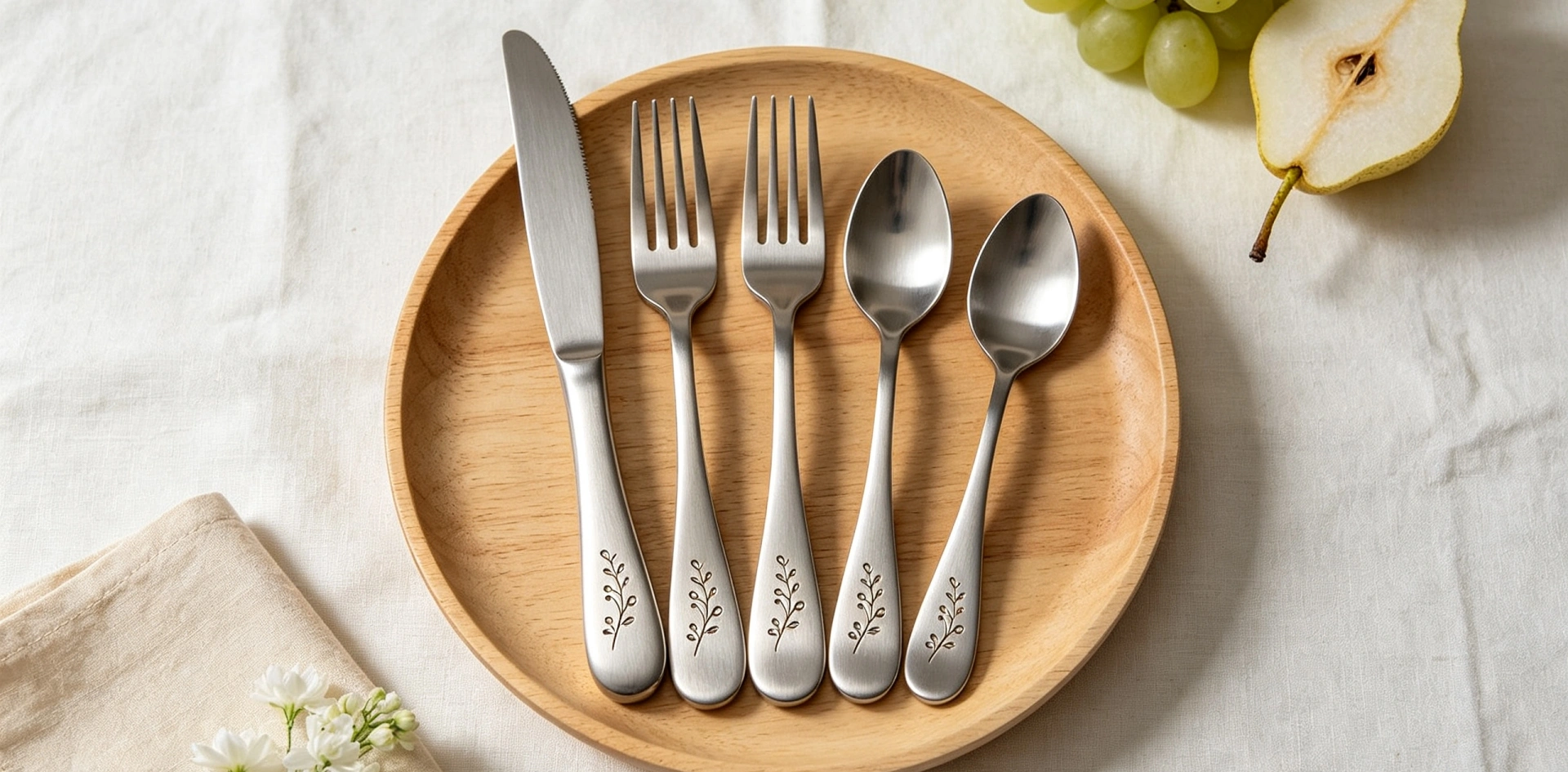
Exploring Baby Cutlery for the Modern Family
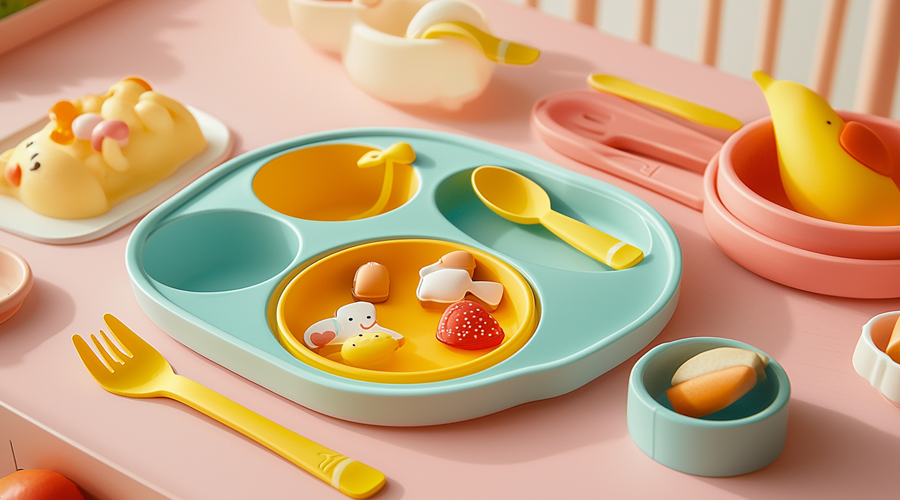
The parenting landscape is shifting. As caregivers become more informed, there’s a growing emphasis on tools that promote independence, developmental progress, and safety in early childhood. This shift is especially evident in the world of infant feeding, where the spotlight is on baby silverware, baby utensil sets, and infant cutlery. These product categories are no longer niche; they’re fast becoming essentials for the modern household.
At the heart of the revolution is baby silverware. Unlike miniature replicas of adult utensils, these are scientifically engineered to support developmental stages. Designed for small hands and mouths, baby silverware often features rubberized handles for grip and silicone-coated tips for gentle contact with gums and teeth. Some innovative designs even incorporate weighted handles to help stabilize young hands learning coordination. The right spoon can make the difference between a frustrating mealtime and a joyous one.
Next comes the baby utensil set—a comprehensive solution for feeding infants and toddlers. These sets often include multiple utensil types for different stages of feeding, such as starter spoons, learning forks, and self-feeding tools. Packaging is also evolving: many baby utensil sets now come with modular compartments for clean and used items, travel-safe containers, and non-toxic cleaning cloths. The branding leans toward fun and function: pastel hues, animal prints, and even storytelling elements that make mealtime a narrative adventure.
Infant cutlery stands as a specialized subset. These utensils target a narrower age window—from the baby’s first attempts to self-feed to around 12 months of age. Parents favor infant cutlery for weaning, as these tools ease the transition from bottle to solid foods. Some high-end sets include ergonomic feeders with spoon heads that bend, reducing wrist strain for parents while feeding. Others focus on safety, with built-in temperature sensors or anti-choking designs.
What sets these categories apart is their growing alignment with parenting philosophies like baby-led weaning (BLW) and Montessori. These approaches encourage toddlers to feed themselves at an early age, fostering autonomy and fine motor development. Baby silverware, baby utensil sets, and infant cutlery are essential tools in this educational and nutritional journey.
In terms of materials, innovation is booming. Brands are introducing hybrid materials such as silicone-stainless steel blends that combine durability with softness. New coatings resist discoloration from foods like carrots and beets, while others use embedded antibacterial agents for extra hygiene. Environmental consciousness also plays a role—many sets use fully compostable materials or incorporate recycled plastics.
Market dynamics mirror this evolution. A search for “baby silverware” or “infant cutlery” on e-commerce platforms yields thousands of results, from budget-friendly packs to premium designer sets. Gift registries and parenting blogs routinely feature baby utensil sets as must-haves. Influencers and pediatricians endorse specific brands based on clinical reviews and real-world feedback.
For manufacturers, this shift offers opportunity and responsibility. It’s not enough to produce safe and cute utensils—they must be developmentally appropriate, sustainable, and emotionally resonant. Companies are expanding their R&D departments, collaborating with occupational therapists, and investing in non-toxic certifications to meet this demand.
Ultimately, the trio of baby silverware, baby utensil sets, and infant cutlery symbolizes a deeper transformation in how we feed, nurture, and empower the next generation. With science-backed design and an eye toward sustainability, today’s baby feeding tools are shaping healthier, happier, and more confident little eaters.
The Future of Baby Feeding
Redefining Mealtime for Little Ones
Related Article