How Global Buyers Are Restructuring Stainless Steel Cutlery Supply Chains in 2026
The stainless steel cutlery supply chain is undergoing a gradual but important transformation in 2026. Instead of relying on multiple fragmented suppliers, global buyers are increasingly consolidating their sourcing strategy.
One of the main reasons for this shift is consistency. Brands that sell under private label or retail chains need every production batch to match previous orders. Even small variations in weight, finish, or color tone can lead to customer complaints or return issues. As a result, buyers prefer fewer but more reliable suppliers.
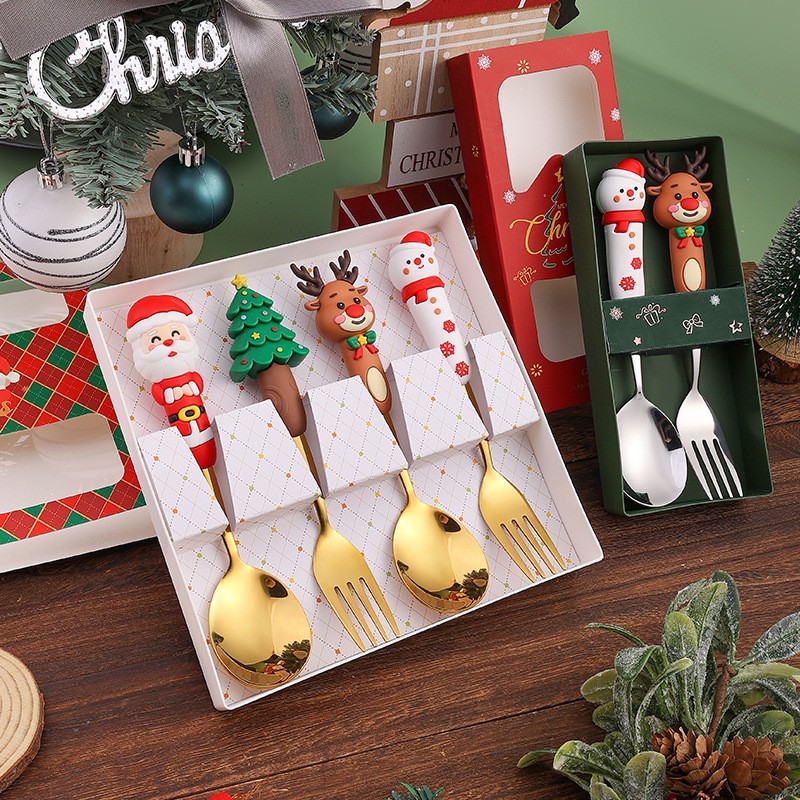
Another important factor is communication efficiency. Managing multiple factories for different components—such as adult cutlery, kids cutlery, and packaging—creates unnecessary complexity. Many brands now prefer integrated suppliers who can handle multiple product categories under one system.
Supply chain stability has also become more important after recent global disruptions. Buyers are now more cautious about relying on low-cost suppliers without long-term production capacity guarantees. Lead time reliability is often valued more than marginal price savings.
From a manufacturing perspective, this trend is pushing factories to become more system-oriented. Instead of producing only one product type, suppliers are expected to support full product families, including different materials, finishes, and packaging options.
OEM partnerships are becoming more long-term. Instead of one-time orders, brands are building ongoing relationships with suppliers who can support product updates, seasonal variations, and packaging changes.
Another trend is digital communication in sourcing. Buyers now expect faster response times, clearer documentation, and more transparent production updates. This improves trust and reduces sourcing risk.
Overall, the stainless steel cutlery supply chain is moving toward consolidation, transparency, and long-term cooperation. This benefits both buyers and manufacturers who can maintain stable production systems.


EU and US Regulations Are Reshaping the Kids Cutlery Market
Why Stainless Steel Cutlery Prices Are Changing in 2026