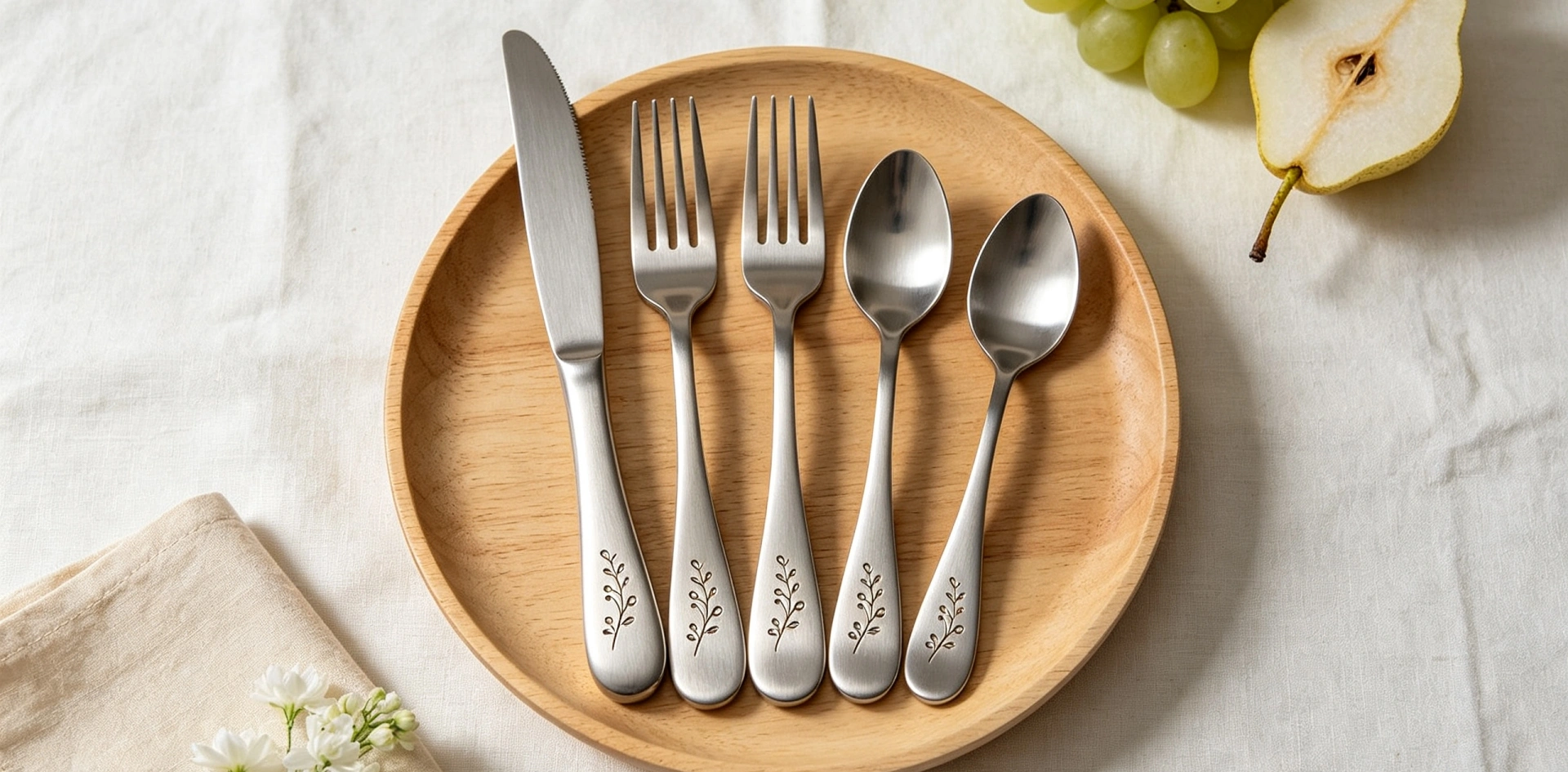
how is german firms join cutlery put together
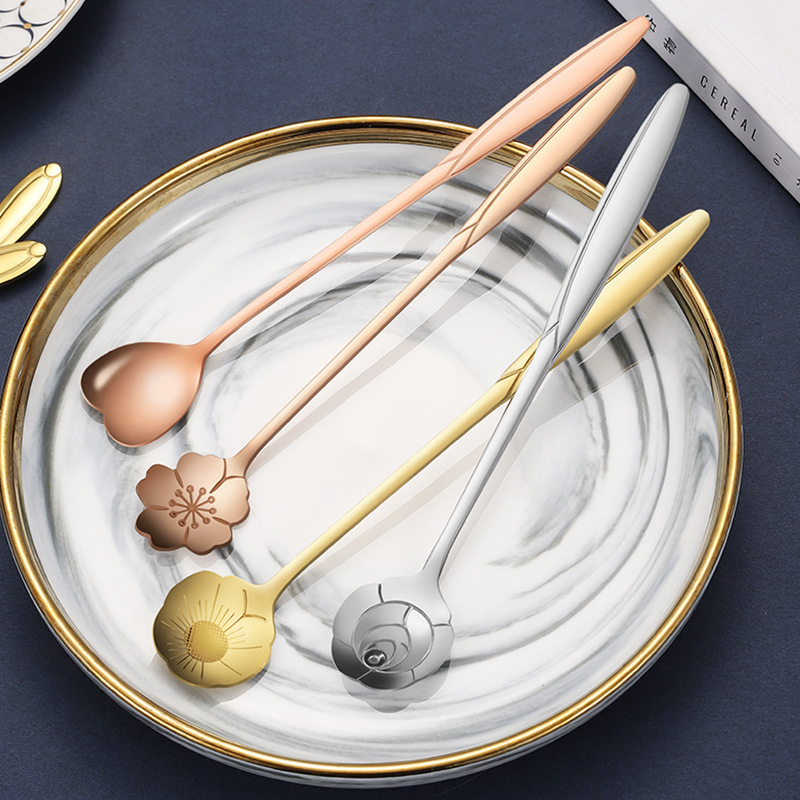
how is german firms join cutlery put together
When we talk about high-quality cutlery, German firms are at the forefront of craftsmanship and design. These companies have perfected the art of producing durable, elegant, and functional cutlery sets that are highly sought after by culinary enthusiasts worldwide. One of the key reasons German firms have become leaders in the cutlery industry is their commitment to excellence in both design and manufacturing processes. Homefelt, a factory with over 30 years of experience in producing stainless steel products, specializes in premium kitchenware, offering customers a perfect blend of traditional craftsmanship and modern technology.
At Homefelt, we understand the intricate process that goes into creating fine cutlery. In many German firms, such as those responsible for producing Edelstahl Besteck Kratzer Polieren (polished stainless steel cutlery), the process involves a series of meticulous steps that ensure each piece of cutlery is of the highest quality. Whether it's a Besteck Homag 90 set or a luxury Ihre Gessamte Silber Besteck collection, the design and manufacturing process involves several key stages that contribute to the final product.
The Design and Manufacturing Process of German Cutlery
Material Selection: One of the first steps in producing high-quality cutlery is selecting the right materials. Most German cutlery is made from stainless steel, an alloy known for its strength, durability, and resistance to rust and tarnish. Homefelt, for instance, uses the finest stainless steel to ensure the longevity of its products. The selection of Edelstahl Besteck Kratzer Polieren materials is critical to producing cutlery that withstands daily use without losing its shine or becoming damaged.
Forging: After selecting the material, the cutlery pieces are forged into their desired shapes. This process involves heating the stainless steel to high temperatures and then shaping it using machines or by hand. German firms excel in forging techniques, ensuring that each piece of cutlery has a perfect balance of weight, strength, and aesthetics.
Polishing and Finishing: Once the cutlery has been shaped, it undergoes a series of polishing and finishing processes to achieve the smooth, shiny surface that is characteristic of fine cutlery. Whether it's Besteck Homag 90 or another premium set, the final polishing ensures that the cutlery is not only visually appealing but also comfortable to use.
Quality Control: One of the defining characteristics of German firms is their rigorous quality control processes. Every piece of cutlery is inspected for defects such as scratches, dents, or uneven finishes. For example, at Homefelt, we ensure that every piece meets the highest standards of quality before it leaves the factory. This ensures that customers receive only the best cutlery, whether it's a family heirloom or a modern dining set.
Packaging and Distribution: After the cutlery is fully finished, it is carefully packaged to prevent damage during transportation. The packaging is designed not only to protect the items but also to provide a premium unboxing experience for customers. Whether you're receiving a beautiful set of Ihre Gessamte Silber Besteck or a functional set of Homefelt products, the packaging reflects the quality and care that went into creating the cutlery.
In conclusion, the process by which German firms put together cutlery involves a combination of skilled craftsmanship, advanced technology, and stringent quality control. The result is a set of cutlery that is both functional and beautiful. At Homefelt, we are proud to offer our customers top-notch kitchenware with a commitment to quality that rivals the best German firms in the industry. Whether you're purchasing Edelstahl Besteck Kratzer Polieren or looking for a set of Besteck Homag 90, Homefelt provides the perfect choice for those seeking high-quality, durable cutlery.


a-c indemanchable knife france cutlery
where is plastic cutlery made
Related Article