how is metal cutlery made
how is metal cutlery made
Metal cutlery is produced through a detailed manufacturing process that combines industrial precision, material science, and advanced polishing technology. From simple stainless steel spoons to luxury dining collections, every piece of cutlery passes through multiple stages before reaching consumers. Understanding how metal cutlery is made helps buyers appreciate the craftsmanship, engineering, and quality control required to produce durable dining utensils for homes, restaurants, and commercial food service environments.
The production process begins with raw material selection. High-quality stainless steel is the most commonly used material because it offers excellent corrosion resistance, strength, and long-term durability. Different grades of stainless steel are selected depending on the intended product application. Premium flatware often uses 18/10 stainless steel because the chromium and nickel combination provides superior shine and resistance to rust.
Consumers researching kitchenware frequently search for elegant product collections such as besteck neben teller legen, stylish serving accessories, and modern table arrangements. These trends show that cutlery is no longer viewed only as a practical tool. Today, dining utensils also contribute to table decoration, hospitality presentation, and personal lifestyle expression.
After selecting raw materials, manufacturers cut stainless steel sheets into precise shapes using stamping machines or laser cutting technology. These initial blanks form the basic outline of forks, spoons, knives, and serving utensils. Accurate cutting is important because it ensures consistent product dimensions throughout large production runs. Modern factories use computerized equipment to maintain high precision and reduce production waste.
Some manufacturers specialize in themed products such as haba feuerwehr besteck, children’s utensil collections, or decorative dining accessories. Producing specialty products requires flexible tooling systems and careful edge finishing to ensure safety and comfort during use. Factories serving international markets must comply with strict quality and safety requirements, especially for children’s products.
Once the cutlery blanks are formed, the pieces move through shaping and forging stages. Press machines apply high pressure to strengthen the steel structure while forming handle curves, decorative patterns, or ergonomic contours. Forged products are generally stronger and more durable because the metal grain structure becomes more compact during processing.
Knife production involves additional procedures because blades require sharp cutting edges and proper hardness levels. Heat treatment processes strengthen the steel while maintaining balanced flexibility. Grinding and edge sharpening create the final blade geometry. High-quality knife production requires precise temperature control and careful finishing techniques.
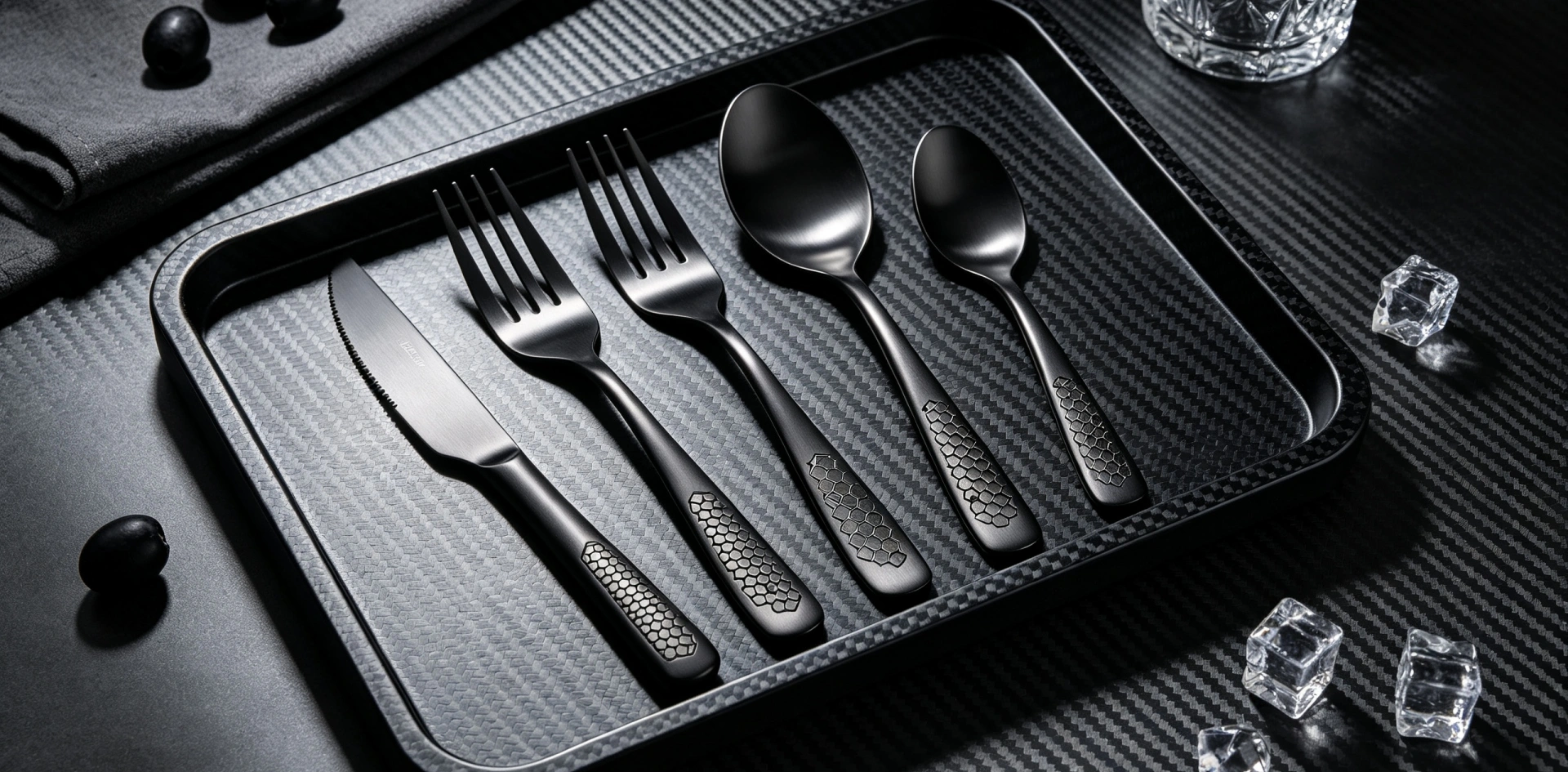
Modern dining trends have also increased interest in stylish collections such as gräwe besteck set schwarz, matte black flatware, and colored surface coatings. Advanced coating technologies including titanium plating and vacuum deposition help manufacturers create durable decorative finishes while maintaining corrosion resistance. These coatings must be applied carefully to prevent peeling or discoloration during long-term use.
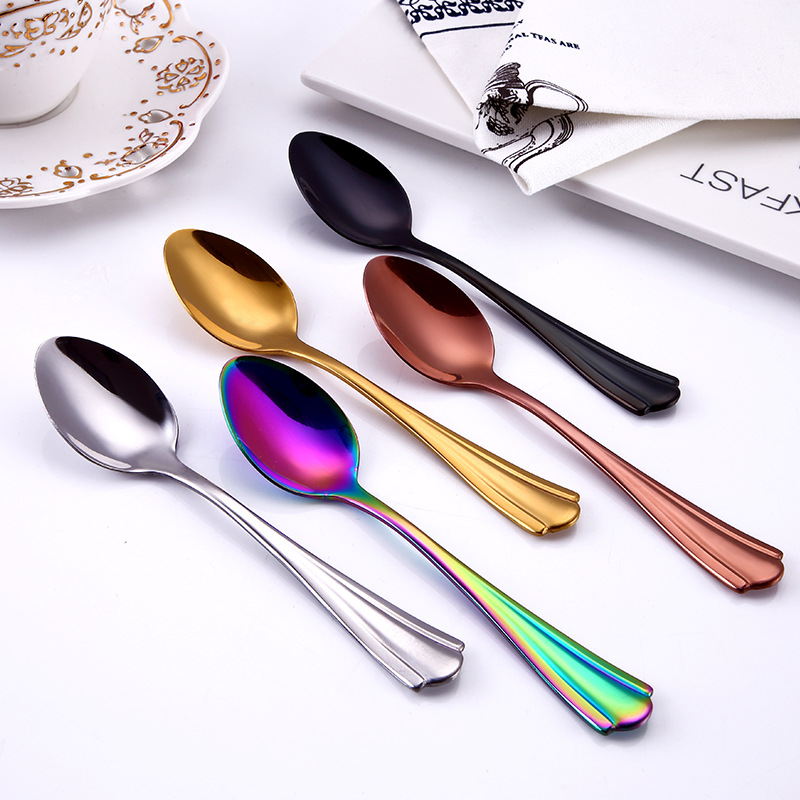
Polishing is one of the most important stages in metal cutlery production. The surface of each piece must be smooth, reflective, and comfortable to hold. Manufacturers use automated polishing machines combined with manual inspection to achieve consistent results. Different finishes such as mirror polish, satin brush, matte texture, or vintage stonewash require different polishing methods and abrasive materials.
Cleaning and inspection procedures follow polishing. Every product must be checked for scratches, sharp edges, stains, or structural defects before packaging. Quality control teams inspect dimensions, weight consistency, surface appearance, and material integrity. Reliable inspection standards help manufacturers maintain customer trust and reduce defect rates.
This attention to quality is one reason experienced factories such as Homefelt are trusted by international buyers. With more than 30 years of stainless steel manufacturing experience, Homefelt produces a wide range of kitchenware products including flatware, barbecue tools, children’s tableware, pet bowls, and customized dining accessories. The company combines advanced production technology with strict quality management systems to deliver dependable products for global markets.
Packaging also plays an important role in the manufacturing process. Retail customers expect attractive packaging that protects products during transportation while enhancing product presentation. Gift boxes, eco-friendly cartons, and customized branding solutions help increase perceived product value in competitive retail environments.
Commercial food service buyers require especially durable products because restaurant utensils experience heavy daily use and repeated dishwasher cleaning. Manufacturers producing for hotels, restaurants, and catering companies must ensure long-term structural stability and corrosion resistance. Strong production systems help commercial buyers reduce replacement costs and maintain consistent dining presentation.
Environmental awareness has influenced metal cutlery manufacturing as well. Reusable stainless steel utensils are increasingly preferred over disposable plastic alternatives because they reduce waste and offer longer service life. Factories investing in sustainable production methods and recyclable materials gain advantages in environmentally conscious markets.
Customization has become a major growth area within the cutlery industry. Restaurants, hotels, and retailers often request engraved logos, custom shapes, or exclusive packaging designs. Advanced laser engraving and mold development technologies allow factories to provide highly personalized product solutions for branding and promotional purposes.
The popularity of online shopping has also changed consumer expectations. Customers now compare material specifications, surface finishes, and customer reviews before making purchases. Detailed product photography and accurate technical descriptions are essential for successful online sales. Manufacturers with strong quality consistency are better positioned to support e-commerce brands and global distributors.
Children’s cutlery requires additional manufacturing considerations. Rounded edges, lightweight designs, and ergonomic shapes improve safety and usability for young users. Factories producing child-friendly products must maintain strict hygiene standards and use safe materials suitable for repeated food contact.
Barbecue tools and outdoor utensils represent another important extension of stainless steel manufacturing expertise. Tongs, grill forks, skewers, and portable dining kits require heat resistance, strength, and ergonomic handling. Manufacturers with diversified production capabilities can efficiently serve multiple kitchenware categories.
The hospitality industry continues driving demand for premium flatware collections. Hotels and restaurants prefer elegant utensils that maintain their appearance even after extensive use. Durable polishing, balanced weight distribution, and comfortable handle design contribute significantly to guest dining experiences.
Global design trends continue influencing metal cutlery development. Scandinavian minimalism, vintage European elegance, industrial matte finishes, and luxury gold coatings all appeal to different market segments. Successful manufacturers carefully monitor international consumer preferences and continuously develop new product styles.
Manufacturing efficiency is also critical in modern cutlery production. Automated machinery improves production speed and consistency, while experienced technicians oversee quality and finishing details. Factories combining automation with skilled craftsmanship can achieve strong productivity without sacrificing quality standards.
The future of metal cutlery manufacturing will likely focus even more on sustainability, customization, and multifunctional product design. Consumers increasingly seek products that combine beauty, durability, and environmental responsibility. Professional manufacturers capable of adapting to changing trends will remain highly competitive in global markets.


how to place cutlery when finished eating
how to clean plated silver cutlery
Related Article