
How Licensed Character Tableware Transforms Daily Rituals
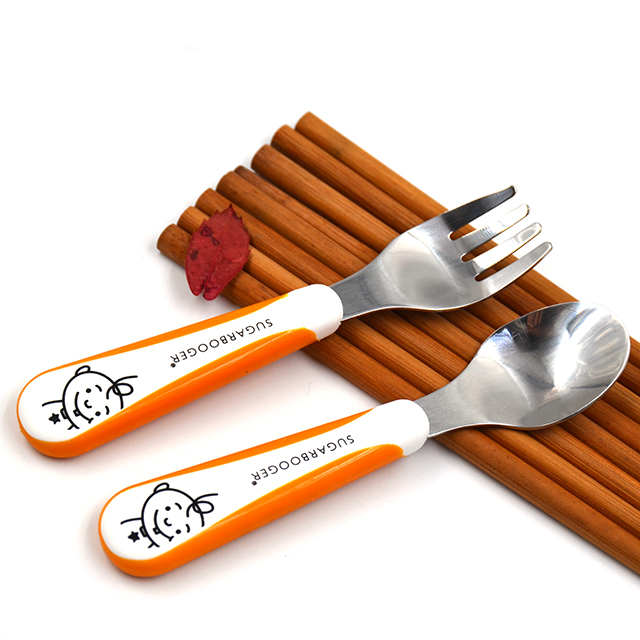
In kitchens and dining rooms around the world, a quiet revolution is transforming daily meals from mundane necessities into moments of joy and connection. The strategic integration of beloved characters like Miffy, Crayon Shin-chan, and Disney favorites onto tableware represents far more than a manufacturing trend—it's a cultural phenomenon that taps into deep emotional reservoirs of nostalgia, comfort, and personal identity. As consumers increasingly seek products that offer not just utility but emotional satisfaction, licensed character tableware has emerged as a powerful vehicle for transforming eating from biological necessity to meaningful experience.
The psychological underpinnings of character tableware's appeal reveal much about contemporary consumer desires. "In an increasingly digital and fragmented world, people are seeking anchors of familiarity and comfort," explains cultural anthropologist Dr. Rachel Wong. "Characters from childhood represent stability, innocence, and joy—emotional states that adults as well as children crave. When these characters appear on everyday objects like tableware, they infuse daily routines with emotional resonance. The simple act of eating breakfast becomes a moment of connection with positive memories and feelings."
The Miffy Phenomenon: Minimalist Design Meets Maximum Emotional Impact
The enduring appeal of Dick Bruna's Miffy character, particularly as implemented on MEPAL tableware, demonstrates how simple design can generate profound emotional responses. Now in its seventh decade, Miffy's minimalist aesthetic—characterized by clear lines, primary colors, and understated expression—has proven remarkably adaptable across cultures and generations. Unlike more detailed characters that can feel overwhelming or dated, Miffy's simplicity allows for seamless integration into diverse dining environments.
"What makes Miffy particularly effective for tableware applications is her visual clarity and emotional neutrality," notes design historian Michael Yoshida. "She conveys warmth and friendliness without being overly expressive or demanding attention. This makes MEPAL's Miffy tableware equally appropriate for children's meals and adult dining situations where overtly childish designs would feel inappropriate. The character functions as a subtle accent rather than dominant theme, allowing users to project their own emotions onto her simple face."
Parents particularly appreciate this sophisticated approach to character integration. "I purchased MEPAL's Miffy lunch containers for my daughter's school meals, but I find myself using them for my own office lunches," shares marketing professional Susan Briggs. "The design is cheerful without being juvenile, and the quality construction means they've survived two years of daily use without deterioration. The Miffy illustration has become a small moment of happiness in the middle of hectic workdays."
Japanese Character Culture: Crayon Shin-chan's Unlikely Appeal
The Japanese market's embrace of Crayon Shin-chan on tableware illustrates a different aspect of character appeal—the connection through shared flaws and humorous humanity. Unlike perfect princesses or heroic characters, Shin-chan is famously imperfect—mischievous, occasionally rude, and always authentic. This authenticity creates a different type of emotional connection, one based on recognition rather than aspiration.
"Shin-chan resonates because he's real," observes Tokyo-based cultural commentator Kenji Sato. "In a society with considerable social pressure to conform and behave properly, Shin-chan's unabashed individuality is refreshing and comforting. Office workers eating from Shin-chan bento boxes are momentarily connecting with their own inner rebel—the part of themselves that might want to break rules and speak uncomfortable truths. For children, he's simply funny and relatable, a character who understands their frustrations with adult expectations."
The manufacturing quality of Shin-chan tableware reflects Japan's exacting standards for character goods. The printing captures subtle facial expressions and dynamic poses that convey the character's personality, while the products themselves maintain functional excellence. This combination of emotional appeal and practical reliability has made character tableware a staple of Japanese gift-giving culture, particularly for children entering new schools or adults starting new jobs.
Disney's Cross-Generational Magic: From Childhood Nostalgia to Adult Collecting
Disney's domination of the character tableware market demonstrates the powerful economics of nostalgia and shared family experiences. Unlike single-generation characters, Disney's portfolio—spanning nearly a century of animation—creates opportunities for multi-generational connection. Grandparents who grew with Mickey Mouse, parents who loved The Little Mermaid, and children enthralled by Frozen can all find characters that resonate with their specific generational touchpoints.
"The Disney advantage lies in their storytelling legacy," notes branding expert Maria Rodriguez. "When consumers see a Disney character on tableware, they're not just seeing a image—they're accessing memories of specific stories, songs, and emotional experiences. This depth of association creates stronger consumer bonds than simpler characters can achieve. A spoon with Elsa from Frozen doesn't just decorate the table—it evokes the entire narrative of sisterly love, self-discovery, and empowerment."
Adult consumers represent a surprisingly significant segment of Disney tableware sales, particularly for premium and limited-edition items. "Our collector-focused Disney tableware lines consistently sell out within hours of release," reports online retailer Benjamin Carter. "These aren't purchases for children—they're self-purchases by adults who want to incorporate Disney magic into their daily lives. The quality of these products ensures they function as display pieces as well as utilitarian objects."
The Manufacturing Artistry: Bringing Characters to Life on Tableware
The technical challenge of faithfully reproducing beloved characters on functional tableware requires sophisticated manufacturing capabilities. The process begins with color matching—ensuring that character colors remain consistent with their on-screen appearances despite the different medium. This requires specialized ink formulations and color calibration processes that many manufacturers struggle to perfect.
"Character reproduction demands absolute precision," explains production specialist Lisa Chen. "Disney's signature colors, Miffy's specific shade of blue, Shin-chan's distinctive yellow—these are essential to character recognition and emotional connection. Even slight deviations can make characters feel 'wrong' to consumers who know them intimately. We've invested in spectral analysis equipment and custom ink-mixing facilities specifically to meet these exacting color standards."
Durability represents another critical manufacturing consideration. Character tableware typically experiences more frequent use and more emotional attachment than standard tableware, requiring exceptional resistance to wear. Advanced printing techniques like multi-layer pad printing with protective clear coats ensure that characters remain vibrant through years of dishwasher cycles, utensil abrasion, and daily handling.
The Future of Character Tableware: Personalization and Digital Integration
As the market evolves, manufacturers are exploring new frontiers in character tableware, including limited-edition collaborations, personalized character combinations, and digital integrations through augmented reality. These innovations point toward a future where character tableware becomes even more deeply integrated into consumers' emotional lives and social interactions.
"The next evolution will likely involve digital layers that enhance physical products," suggests technology analyst David Kim. "Imagine pointing your phone at a Miffy bowl and seeing an animated story, or having a Shin-chan character that reacts to what you're eating. These digital-physical hybrids could deepen emotional connections while providing practical benefits like nutritional tracking or meal planning."
What remains constant is the fundamental human desire for connection, comfort, and joy during daily routines. However technology evolves, character tableware's power will continue to stem from its ability to transform ordinary meals into extraordinary moments—proving that the most successful products aren't just useful, but meaningful.
Hat Headphones Bear Lunch Box with Water Cup Set
The Cutlery Set Intellectual Property Revolution



