
How Packaging Expectations Are Changing for Cutlery Brands
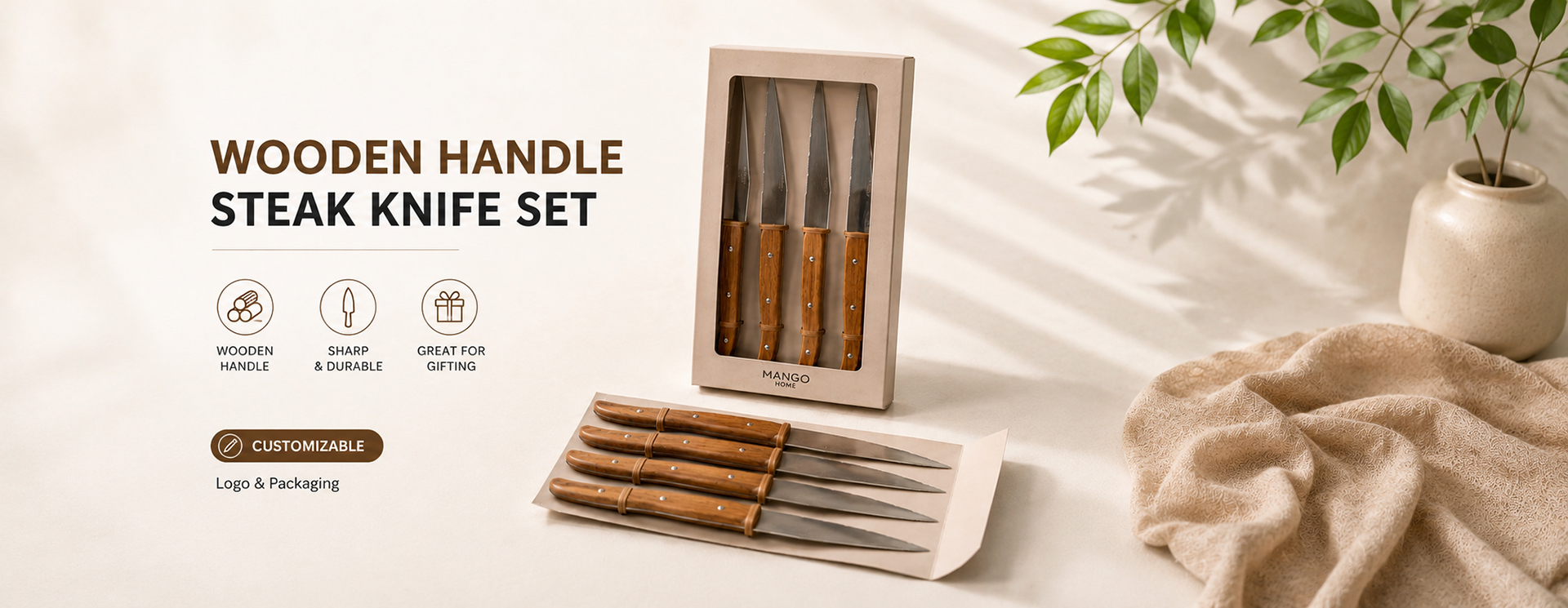
Packaging is no longer viewed as simply a way to protect products during transportation. For today's kitchenware brands, packaging has become an important part of product positioning, customer experience, and sustainability.
Many retailers are moving toward cleaner and more practical packaging designs. Instead of excessive decoration, buyers increasingly prefer packaging that clearly communicates product features while using fewer unnecessary materials.
Another noticeable trend is the growing demand for environmentally conscious packaging. Paper-based boxes, recyclable materials, and reduced plastic usage are becoming more common across many retail markets. While packaging requirements vary by customer and region, sustainability is becoming an important consideration during product development.
For OEM projects, packaging customization has also become more sophisticated. Buyers often request retail-ready solutions that include custom logos, product information, multilingual instructions, barcode labels, and QR codes. Good packaging not only protects the product but also strengthens brand recognition on store shelves and online marketplaces.
Gift-ready packaging is another area receiving more attention. Premium stainless steel cutlery sets are increasingly designed for occasions such as weddings, housewarming gifts, and holiday promotions. Attractive yet practical packaging can improve the perceived value of the product without changing the product itself.
At the same time, shipping efficiency remains important. Well-designed packaging should protect products during international transportation while maximizing carton utilization. Compact packaging helps reduce shipping costs and minimizes unnecessary waste.
For manufacturers, packaging development has become an integrated part of OEM service. Close cooperation between buyers and suppliers helps ensure that packaging meets both branding requirements and transportation needs.
Industry Insight
As e-commerce continues to grow, packaging often creates the customer's first impression before the product is even used. This is encouraging brands to invest more attention in packaging quality while balancing cost and environmental considerations.
Expert Tip
When developing custom packaging, consider how it will perform throughout the entire supply chain—from factory to warehouse, shipping, retail display, and finally to the consumer. A practical design often delivers greater long-term value than a complex one.
Buyer Takeaway
Effective packaging is not only about appearance. It supports product protection, brand identity, and customer satisfaction while helping optimize logistics and retail presentation.


Why Stainless Steel Continues to Outperform Alternative Materials for Cutlery
Why Dishwasher Safety Has Become a Key Selling Point for Modern Tableware



