
How Surface Scratches Affect Customer Perception of Stainless Steel Cutlery
Surface finish plays a major role in how customers judge stainless steel cutlery. Even if the material and structure are strong, visible scratches can reduce perceived quality significantly.
In real use, cutlery is exposed to friction, dishwashing, and stacking. Over time, minor scratches are inevitable. The difference lies in how noticeable they are.
Mirror-polished surfaces reflect light strongly, which makes scratches more visible. This is why premium sets often require stricter polishing control and higher-grade finishing standards.
Satin or brushed finishes handle wear better. They diffuse light and make minor scratches less noticeable, which helps maintain a consistent appearance over time. This is why they are widely used in restaurant and daily-use cutlery.
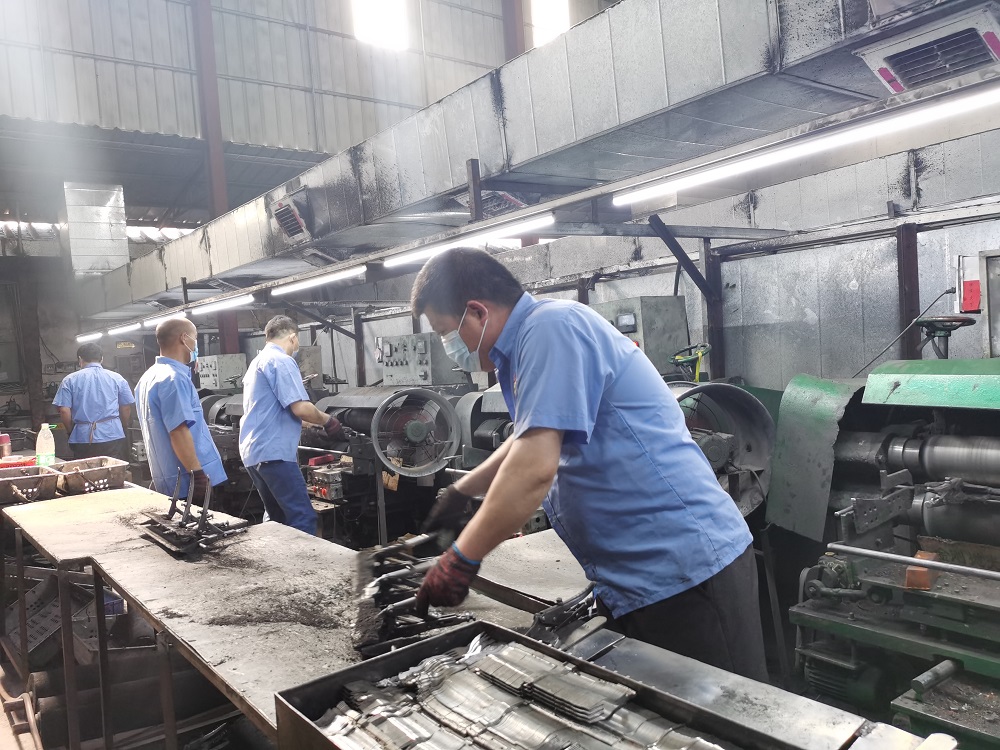
From a manufacturing point of view, scratch resistance depends on polishing consistency and surface hardness. Poor finishing control leads to uneven texture, which increases visible wear.
For brands, this directly affects customer satisfaction. Products that look worn too quickly often lead to complaints—even if functionality is unaffected.
In stainless steel cutlery, appearance is not just cosmetic. It shapes long-term brand perception.


Quality Testing Standards for Kids Stainless Steel Cutlery
How Stainless Steel Thickness Impacts Cutlery Performance and Market Positioning



