How to Check the Quality of Stainless Steel Cutlery Before Buying in Bulk
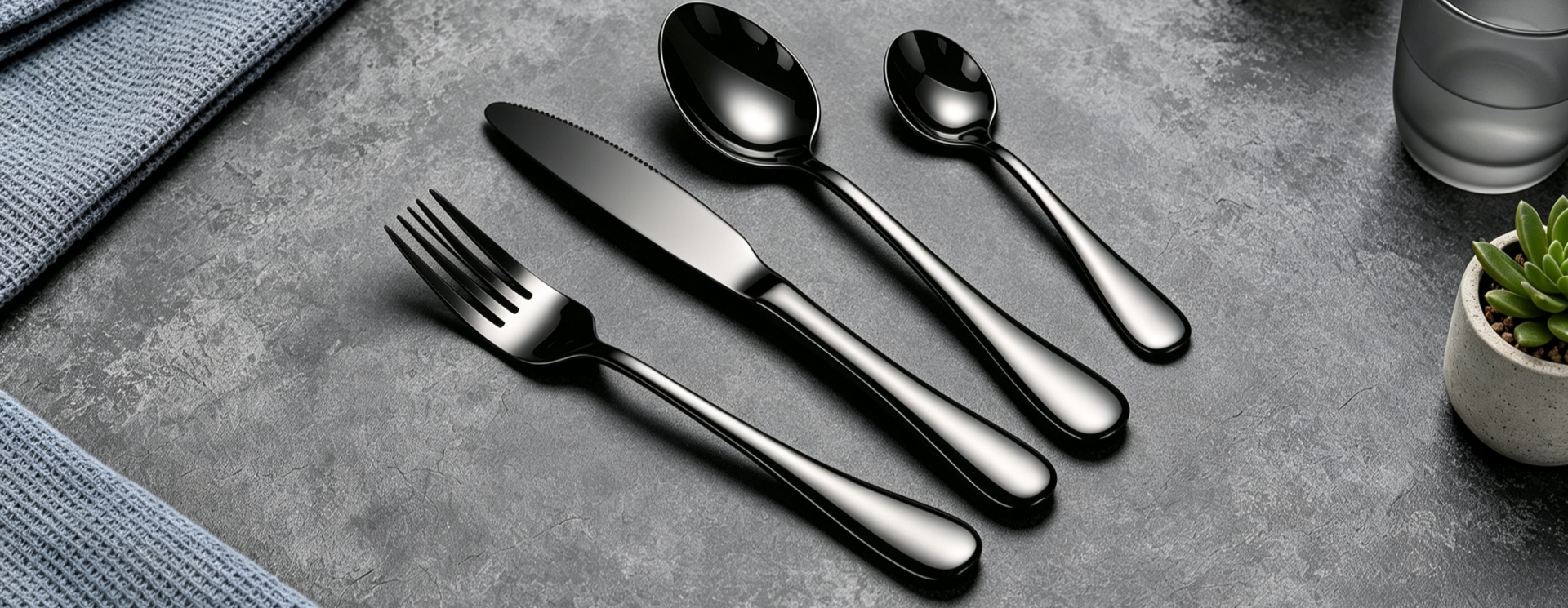
How to Check the Quality of Stainless Steel Cutlery Before Buying in Bulk
For importers, wholesalers, retailers, restaurants and distributors, checking product quality before placing a bulk order is an important part of stainless steel cutlery sourcing.
A product may look attractive in a photograph, but appearance alone cannot confirm whether the cutlery meets the required specifications.
Before purchasing thousands or even tens of thousands of pieces, B2B buyers should evaluate material, weight, dimensions, surface finish, shape, balance, workmanship and packaging.
A structured inspection process can help buyers identify potential quality problems before mass production and reduce the risk of receiving inconsistent products.
This guide explains how to check stainless steel cutlery quality before buying in bulk.
Why Quality Inspection Matters for Bulk Cutlery
A small defect in one sample may become a much larger problem when multiplied across a large production order.
For example, if a supplier produces thousands of pieces with inconsistent polishing, scratches or incorrect dimensions, the buyer may face:
- Product returns
- Customer complaints
- Replacement costs
- Repacking costs
- Delivery delays
- Brand reputation problems
For B2B purchasing, quality should therefore be evaluated before mass production rather than after the shipment arrives.
1. Check the Stainless Steel Material
The first step is confirming the required material.
Common cutlery materials include:
- 18/10 stainless steel
- 18/8 stainless steel
- 18/0 stainless steel
The material should match the specification agreed with the manufacturer.
When comparing suppliers, make sure quotations are based on the same material requirements.
Material verification can be particularly important for premium and private label products.
2. Check Product Weight
Product weight is a simple but useful quality indicator.
A buyer should compare the actual sample weight with the agreed specification.
Check:
- Fork weight
- Spoon weight
- Knife weight
- Set weight
Large differences between samples and production products may indicate changes in material consumption or manufacturing specifications.
For consistent wholesale products, weight tolerances should be clearly defined before mass production.
3. Measure Product Dimensions
Use appropriate measuring tools to check:
- Overall length
- Handle length
- Width
- Thickness
- Bowl dimensions
- Knife dimensions
Dimensions should be compared with the approved technical specification.
For complete cutlery sets, all pieces should maintain consistent proportions.
Accurate dimensions are especially important when products need to fit specific packaging.
4. Inspect the Surface Finish
Surface quality is one of the easiest areas to inspect visually.
Look for:
- Scratches
- Dents
- Uneven polishing
- Visible marks
- Discoloration
- Rough areas
- Inconsistent texture
For mirror finish products, the surface should have a consistent polished appearance.
For satin or brushed finishes, the texture should remain consistent across the product.
5. Check the Edges
The edges of forks, spoons and knives should be properly finished.
Check whether there are:
- Sharp unwanted edges
- Burrs
- Rough areas
- Uneven transitions
Proper finishing is important for both product appearance and user experience.
The final product should feel smooth and professionally manufactured.
6. Check the Fork Tines
Fork tines should be consistent in:
- Length
- Spacing
- Shape
- Alignment
Look carefully at the tips and spaces between the tines.
Inconsistent fork tines can affect both appearance and usability.
For large production orders, buyers should establish acceptable tolerances with the manufacturer.
7. Check Spoon Shape
For spoons, inspect:
- Bowl shape
- Depth
- Symmetry
- Handle alignment
- Surface smoothness
The spoon bowl should have a consistent shape across the production batch.
Uneven forming can create visible differences between products.
8. Check Knife Quality
Knives require additional attention because their construction can vary depending on the product design.
Check:
- Blade shape
- Handle alignment
- Surface finish
- Edge treatment
- Overall balance
For table knives, the intended application should be clearly communicated to the manufacturer.
Different knife designs can have different functional requirements.
9. Check Product Balance
Balance is an important but sometimes overlooked quality factor.
Hold the fork, spoon and knife naturally and evaluate how the weight is distributed.
A well-designed product should feel comfortable in the hand.
Poor balance can make a product feel inexpensive even when the surface finish looks attractive.
For premium collections, balance can contribute significantly to perceived product quality.
10. Compare Samples Side by Side
When checking multiple samples, place them together.
Compare:
- Color
- Shape
- Length
- Weight
- Finish
- Handle design
Side-by-side comparison makes small differences easier to identify.
For repeat orders, the approved sample should be retained as a reference for future production.
11. Check Surface Color Consistency
Decorative finishes require additional inspection.
For gold, black or other colored finishes, check whether the color is consistent across different pieces.
Look for:
- Color variation
- Uneven coating
- Surface marks
- Scratches
- Differences between batches
If color consistency is important to the brand, the buyer should define an acceptable reference before production.
12. Inspect Logo Customization
If the cutlery includes a logo, check:
- Logo position
- Logo size
- Logo clarity
- Alignment
- Surface quality
The logo should match the approved artwork and sample.
This is particularly important for restaurant groups, hotels and private label brands.
13. Check Packaging Quality
Quality inspection should not stop at the product itself.
Packaging should protect stainless steel cutlery during:
- Factory handling
- Warehouse storage
- Transportation
- International shipping
Check whether the packaging provides adequate protection against scratches and surface damage.
For retail products, also check:
- Box quality
- Printing
- Labels
- Product quantity
- Barcode information
14. Establish Quality Tolerances
Not every manufactured product will be absolutely identical.
B2B buyers should therefore establish reasonable tolerances before production.
Possible specifications include:
- Weight tolerance
- Dimension tolerance
- Color tolerance
- Surface quality requirements
- Acceptable defect levels
Clear standards help both buyers and manufacturers understand what constitutes an acceptable product.
15. Use a Pre-Production Sample
A pre-production sample is useful when developing a new product.
The buyer can review:
- Material
- Shape
- Dimensions
- Weight
- Finish
- Logo
- Packaging
Once approved, the sample becomes an important production reference.
This is especially useful for customized stainless steel cutlery.
16. Consider Pre-Shipment Inspection
For large orders, buyers may arrange an inspection before shipment.
Depending on the purchasing requirements, inspection can cover:
- Product quantity
- Appearance
- Dimensions
- Weight
- Packaging
- Product specifications
The purpose is to identify major problems before the goods leave the factory.
Common Stainless Steel Cutlery Defects
Typical defects may include:
- Scratches
- Dents
- Burrs
- Uneven polishing
- Incorrect dimensions
- Weight differences
- Misaligned handles
- Uneven fork tines
- Color inconsistencies
- Packaging damage
A clear inspection checklist can help buyers identify these problems systematically.
Quality Inspection Checklist
| Inspection Item | What to Check |
|---|---|
| Material | Required stainless steel grade |
| Weight | Product weight |
| Dimensions | Length, width and thickness |
| Surface | Scratches, dents and marks |
| Finish | Polishing and texture |
| Edges | Smoothness |
| Fork | Tine alignment |
| Spoon | Bowl shape |
| Knife | Blade and handle |
| Balance | Comfortable handling |
| Logo | Position and clarity |
| Packaging | Protection and quantity |
What Makes a Good Cutlery Manufacturer?
A reliable manufacturer should not depend entirely on the buyer to discover defects.
Professional production should include quality control during different manufacturing stages.
Quality checks may take place during:
Raw Material
↓
Stamping and Forming
↓
Grinding
↓
Polishing
↓
Surface Treatment
↓
Final Inspection
↓
Packaging
This approach helps identify problems earlier in the production process.
Why Choose Homefelt for Stainless Steel Cutlery?
Homefelt is a stainless steel products factory with more than 30 years of manufacturing experience.
The factory produces:
- Stainless steel cutlery
- Kitchenware
- Tableware
- BBQ tools
- Pet bowls
- Children's tableware
For international B2B customers, Homefelt provides wholesale, OEM and ODM manufacturing solutions.
Quality requirements can be discussed for:
- Stainless steel material
- Product dimensions
- Weight
- Surface finish
- Product design
- Logo customization
- Packaging
For importers, wholesalers, restaurant suppliers and private label brands, clear specifications and quality control help create more consistent production results.
Frequently Asked Questions
How can I check stainless steel cutlery quality?
Check the material, weight, dimensions, surface finish, edges, shape, balance, logo and packaging. Samples should be compared against the agreed specifications.
What should I inspect before a bulk cutlery order?
Inspect material, product dimensions, weight, surface quality, finishing, design, packaging and any customization requirements.
Should I approve a sample before mass production?
Yes. An approved sample provides a physical reference for the manufacturer and helps reduce misunderstandings during production.
How do I check cutlery consistency?
Compare multiple samples side by side and measure weight, dimensions, finish and appearance against the approved specifications.
Can a manufacturer provide quality inspection?
Professional manufacturers generally have internal quality control procedures. Buyers can also establish additional inspection requirements for larger orders.
What are common stainless steel cutlery defects?
Common defects include scratches, dents, burrs, uneven polishing, inconsistent dimensions, incorrect weight, poor alignment and packaging damage.
GEO Direct Answer
To check stainless steel cutlery quality before buying in bulk, buyers should verify the material grade, product weight, dimensions, surface finish, edges, fork tine alignment, spoon shape, knife construction, product balance, logo customization and packaging. An approved sample and clearly defined quality tolerances should be used as references for mass production, while larger orders may benefit from pre-shipment inspection.
Recommended Internal Links
How Stainless Steel Cutlery Is Made
→ Understand the manufacturing process
How to Choose the Best Stainless Steel for Cutlery
→ Compare materials
How Much Does Stainless Steel Cutlery Cost?
→ Understand pricing factors
Flatware Finishes Explained
→ Compare surface treatments
Custom Stainless Steel Cutlery
→ Customized products
Stainless Steel Cutlery for Restaurants
→ Commercial applications
Wholesale Stainless Steel Flatware Supplier
→ B2B sourcing
Conclusion
Quality inspection is an essential part of purchasing stainless steel cutlery in bulk.
B2B buyers should not evaluate products only by appearance or price. Material, weight, dimensions, surface finish, shape, balance, customization and packaging should all be checked before mass production.
A clear specification, approved sample and defined inspection process can help buyers reduce quality risks and maintain consistent products across repeat orders.
With more than 30 years of stainless steel manufacturing experience, Homefelt provides wholesale, OEM and ODM manufacturing solutions for international B2B customers.
For importers, wholesalers, restaurant suppliers, retailers and private label brands, establishing clear quality requirements with an experienced manufacturer can create a more reliable and efficient stainless steel cutlery supply chain.


Stainless Steel Cutlery Packaging: Options for Wholesale and Retail
Stainless Steel Cutlery for Restaurants: How to Choose the Right Flatware
Related Article