
How to Protect Design Confidentiality in Stainless Steel Cutlery OEM Projects
How to Protect Design Confidentiality in Stainless Steel Cutlery OEM Projects
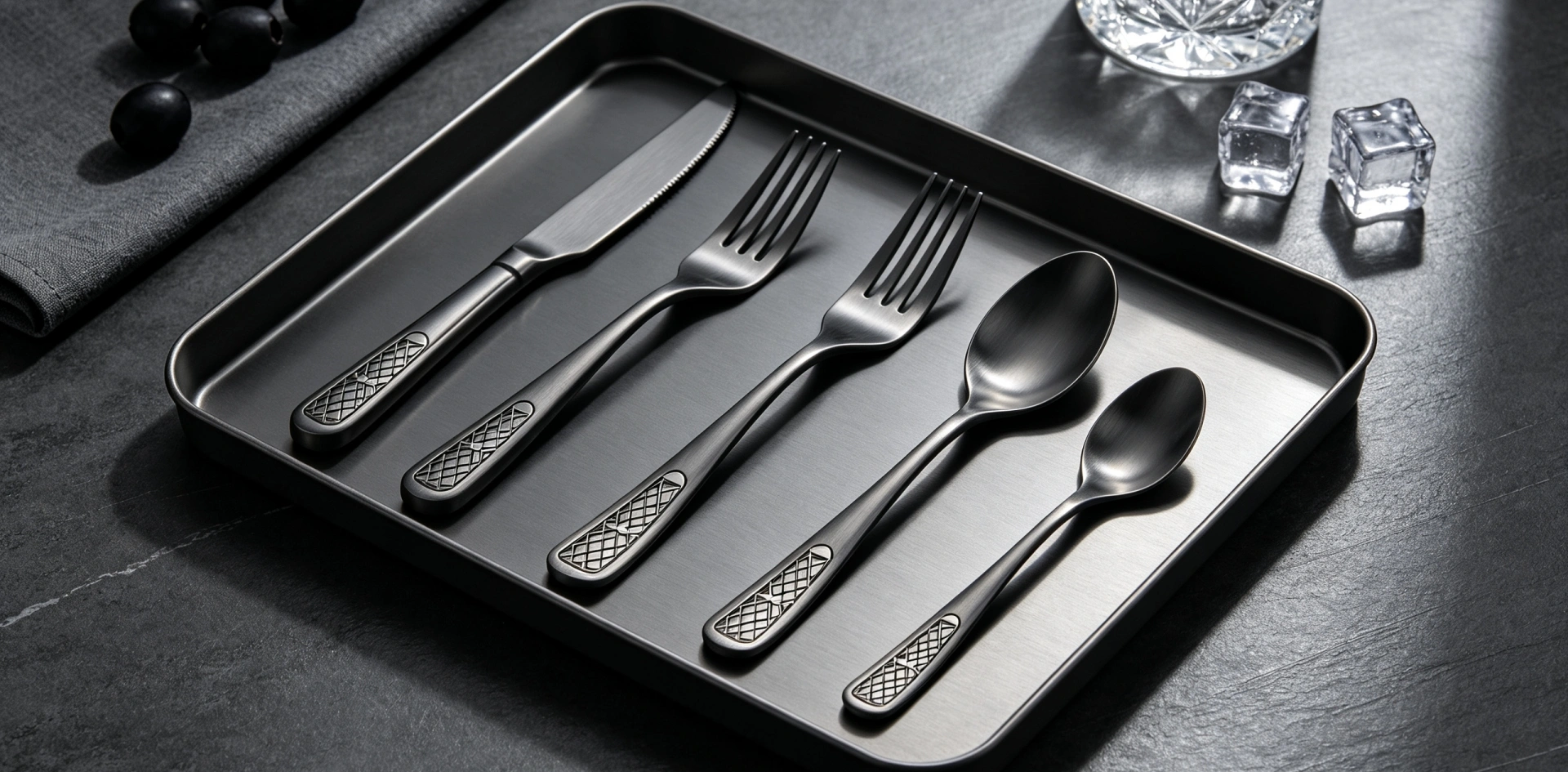
For brands, importers, wholesalers, and retail chains, a stainless steel cutlery project often involves more than selecting a knife, fork, and spoon. Buyers may share original handle patterns, logo artwork, product dimensions, surface finishes, packaging concepts, and target-market requirements with a manufacturing partner. These materials can represent months of product development and help a brand distinguish its collection from competing products.
Protecting this information from the beginning helps reduce misunderstandings and supports a more reliable OEM or ODM partnership. A clear confidentiality process also makes it easier for buyers and factories to collaborate on customization, sampling, production, and repeat orders.
Identify Which Cutlery Project Information Is Confidential
The first step is to identify the information that requires restricted access. Not every product specification needs the same level of protection, so buyers should classify project files according to their commercial importance.
For a customized stainless steel flatware collection, confidential materials may include:
-
Original handle drawings, decorative patterns, and design files.
-
Brand logos, engraving layouts, and artwork for customized packaging.
-
Product specifications covering dimensions, thickness, weight, materials, and surface finish.
-
Unreleased collection concepts, target prices, and launch schedules.
-
Customized molds, tooling details, or other project-specific manufacturing information, where applicable.
-
Customer-specific quotation documents and product development records.
A standard stainless steel spoon specification may be similar across many products. However, a distinctive handle design, a proprietary logo position, or a unique combination of finish and packaging may be commercially sensitive.
Buyers should mark confidential documents clearly and explain which files may be used only for their project. This gives the supplier a practical reference instead of relying on informal messages.
Establish Clear Rules Before Sharing Design Files
Before sending detailed drawings or artwork, buyers should agree with the factory on how project information will be used, stored, and shared.
A written confidentiality agreement may define the permitted purpose of the information, the people authorized to access it, restrictions on disclosure, and how files should be handled when the project ends. Depending on the commercial relationship and applicable law, the agreement may also address ownership of designs, permitted manufacturing use, and the handling of tooling or digital assets.
Buyers should consider the following points:
-
Purpose of use: design files are provided for quotation, sampling, or production of the specified order.
-
Access restrictions: project information is shared only with personnel or approved subcontractors who need it.
-
Disclosure rules: confidential materials are not distributed to unrelated parties without authorization.
-
File retention: both parties agree on how long project records are retained and how obsolete copies are handled.
-
Ownership: original artwork, customer-supplied designs, and newly developed project assets are identified clearly.
Contract terms should reflect the actual project and be reviewed by qualified legal professionals when necessary. A confidentiality document is useful, but it works best alongside practical controls in daily factory operations.
Control Artwork, Drawings, and Specification Versions
One common source of risk in OEM stainless steel cutlery projects is uncontrolled file circulation. A buyer may send an updated handle pattern while an earlier drawing remains in a quotation folder or is forwarded to a packaging supplier.
A simple version-control system helps prevent both unauthorized use and production errors.
Each approved document should have a recognizable file name, revision number, issue date, and status. For example, a custom fork drawing might be recorded as “Fork-Handle-Design-Rev03,” with the latest approved version stored in a designated project folder.
Use clear status labels such as:
-
Draft: for discussion and initial review.
-
For Review: awaiting buyer or factory comments.
-
Approved for Sampling: authorized for prototype development.
-
Approved for Production: the confirmed reference for manufacturing.
-
Obsolete: retained for historical reference but not for current production.
When a revision is approved, the buyer and supplier should confirm which earlier files are superseded. The same principle applies to logos, engraving positions, packaging layouts, and product specification sheets.
This process is especially important when a collection includes several spoon, fork, and knife models with similar handles. A small difference in artwork or dimensions can be difficult to identify if files are poorly named.
Separate Customer-Specific Designs From Standard Products
Stainless steel cutlery manufacturers may produce both standard collections and customized products. Buyers should distinguish between the factory's existing product designs and the elements developed specifically for their brand.
For example, a buyer may select a standard spoon shape but request a customized handle engraving and branded retail box. The agreement should identify which elements are existing factory designs, which assets are supplied by the buyer, and which elements are newly developed for the project.
This distinction helps both parties understand the scope of permitted use. It also reduces confusion when a buyer later orders a different collection or requests exclusive arrangements for a particular market.
Where exclusivity is commercially important, the parties should define its exact scope rather than relying on a general statement. Relevant details may include the specific design, product models, market or territory, duration, and any agreed restrictions. Any exclusivity commitment should be confirmed in writing and assessed against the parties' contractual and legal obligations.
Protect Branding During Sampling and Bulk Production
A cutlery OEM project often moves through several stages: design discussion, quotation, sample development, approval, mass production, packaging, and shipment. Confidentiality procedures should remain consistent throughout the process.
During sampling, buyers can provide only the files needed for the current task. If a sample requires a logo engraving, the factory may need the approved logo file and positioning instructions, but not necessarily the buyer's complete brand identity library.
Before bulk production, the approved product specification and artwork should be linked to the relevant order. Staff should be able to identify the correct version without searching through unrelated email attachments.
For packaging suppliers or other external service providers, buyers and factories should clarify what information must be shared and whether the recipient is subject to suitable confidentiality obligations. Outsourcing a task should not automatically mean unrestricted access to every project document.
Product photographs also deserve attention. Unreleased samples, customized prototypes, and branded packaging should not be used in public marketing materials unless the appropriate permission has been obtained.
What Buyers Should Confirm With a Stainless Steel Cutlery Factory
When evaluating an OEM or ODM partner, buyers can ask practical questions about the factory's document and project management procedures.
| Area | Questions to discuss |
|---|---|
| File access | Who can access drawings, logos, and packaging artwork? |
| Version control | How are approved revisions identified and obsolete files removed from active use? |
| Production references | How are customer-specific specifications connected to production orders? |
| External partners | What information is shared with packaging suppliers or other subcontractors? |
| Marketing use | Is customer permission required before displaying customized products or logos? |
| Project closure | How are confidential files, tooling records, and unused materials handled after completion? |
The answers should be supported by practical working procedures rather than broad assurances alone. Buyers can also request confirmation of relevant document-control practices during supplier evaluations or factory audits.
Homefelt factory works with stainless steel knives, forks, spoons, and flatware sets for customization, OEM/ODM manufacturing, wholesale, and private-label projects. For buyers developing a new collection, agreeing on the product specifications, artwork versions, packaging requirements, and permitted use of project files at the start can make collaboration more efficient.
A coordinated service process can also connect product design, packaging development, and transportation planning, allowing buyers to manage key project details through one supplier relationship. The precise scope of confidentiality, ownership, and exclusivity should be agreed upon for each project.
A Practical Confidentiality Checklist Before Production
Before authorizing a customized cutlery order, buyers and suppliers should verify that the essential records are complete.
-
The confidential materials have been identified.
-
The permitted use of drawings, logos, and artwork has been agreed upon.
-
Design ownership and any exclusivity terms have been clarified.
-
The latest specifications and artwork have clear revision numbers.
-
Sampling and production teams can identify the approved versions.
-
External service providers receive only the information necessary for their tasks.
-
Permission for product photography and public display has been addressed.
-
The handling of project files after completion has been discussed.
These checks do not need to create a complicated administrative system. A concise agreement, controlled project folder, approved specification sheet, and consistent communication process can provide a practical foundation for many B2B cutlery projects.
You May Be Interested In
How to Manage Currency Risk and Quotation Validity for Stainless Steel Cutlery Exports
How to Benchmark Stainless Steel Cutlery Prices Across Suppliers
Related Article



