
how to chooose stainless steel cutlery in our life
author: Alisa
2026-02-27
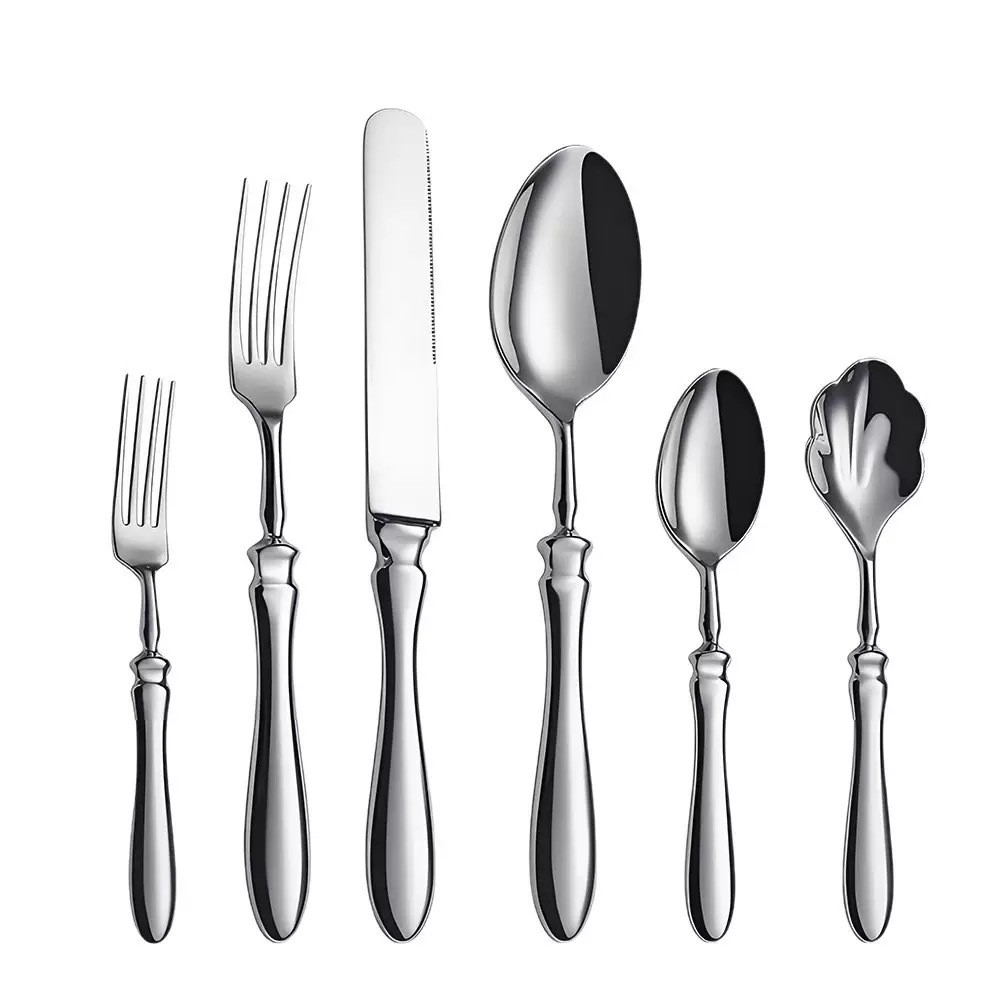
1. Check the Steel Grade & Quality
-
Look for the Stamp: High-quality stainless steel is usually marked with grades like 18/10, 18/8, or 304. These numbers indicate the chromium and nickel content:
-
18/10 (18% chromium, 10% nickel): Best for daily use—highly corrosion-resistant, durable, and maintains a bright shine.
-
18/8 (18% chromium, 8% nickel): Also excellent, slightly less nickel but still very durable and rust-resistant.
-
Avoid sets with no grade stamp or labeled as "stain-resistant"—they may be lower quality and prone to tarnishing or rust.
-
2. Consider Weight & Balance
-
Heavier cutlery often feels more substantial and durable. It should have a good balance between the handle and the utensil head for comfortable use.
-
Handle Design: Ensure the handle is comfortable to grip. Some have ergonomic contours or textured finishes for better control.
3. Evaluate Finish & Design
-
Finish Types:
-
Polished/Mirror: Shiny and classic but may show fingerprints and scratches more easily.
-
Satin/Matte: Less reflective, hides scratches and water spots well—more practical for daily use.
-
Brushed: Durable and modern, good at concealing wear.
-
-
Style Consistency: Choose a design (modern, traditional, minimalist) that matches your tableware and personal taste.
4. Assess Durability & Maintenance
-
Dishwasher Safe: Most stainless steel cutlery is dishwasher-safe, but check the manufacturer’s instructions. High heat and detergent can sometimes affect the finish over time.
-
Rust & Stain Resistance: Higher nickel content (like in 18/10) offers better resistance to corrosion, pitting, and discoloration from acidic foods.
-
Easy to Clean: Non-porous stainless steel shouldn’t retain food odors. Avoid designs with hard-to-clean crevices if you hand-wash.
5. Think About Practical Needs
-
Set Composition: Consider what pieces you actually use. A standard set might include dinner forks, knives, spoons, teaspoons, and salad/dessert forks. Start with a basic set and expand if needed.
-
Everyday vs. Formal Use: For daily meals, choose sturdy, practical designs. For special occasions, you might opt for more ornate or lightweight styles.
-
Budget: Good stainless steel cutlery can last decades, so consider it a long-term investment. Mid-range 18/8 or 18/10 sets often offer the best value.
6. Feel and Test (If Possible)
-
If shopping in person, hold a piece to check the grip and weight. Ensure the edges (like fork tines or spoon bowls) are smooth and well-finished.
-
For online purchases, read reviews focusing on comfort, balance, and how well the finish holds up over time.
7. Bonus: Magnetism & Induction Compatibility
-
Most stainless steel cutlery is not magnetic (due to high nickel content), but that doesn’t affect its function. If you plan to use knives with induction cooktops, ensure they have a magnetic base (some stainless blends do).
Choose us for buying vintage stainless steel cup bowl plate
Advantages of a Compartmentalized Stainless Steel Lunchbox



