How to Clean Stainless Steel Cutlery That Has Gone Black
How to Clean Stainless Steel Cutlery That Has Gone Black
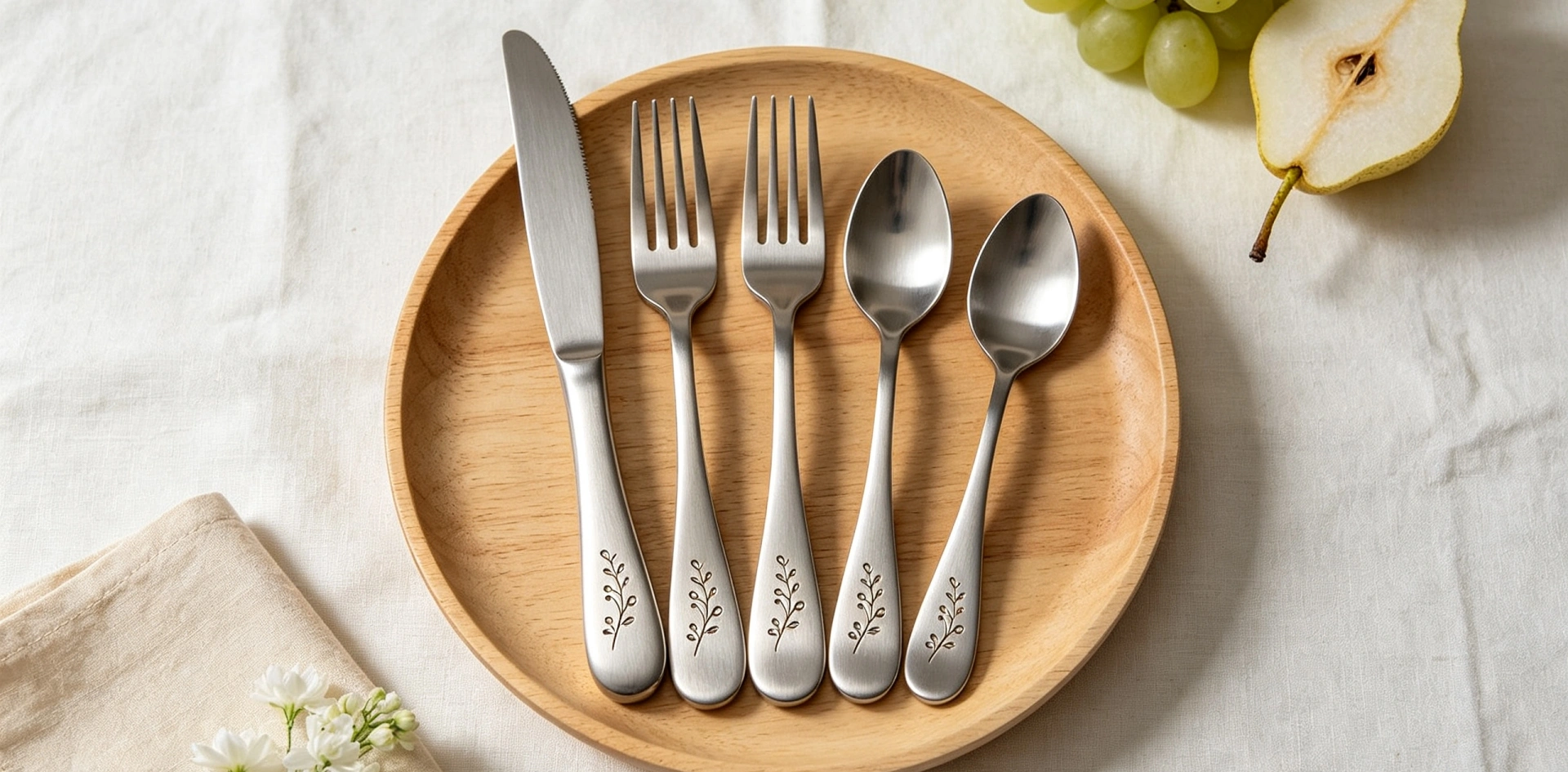
Stainless steel cutlery is prized for its durability and polished appearance, but over time, it can develop blackened spots due to oxidation, hard water, or prolonged use. Learning how to clean stainless steel cutlery that has gone black is essential to restore both appearance and functionality. Using appropriate cleaning techniques ensures that utensils remain hygienic, aesthetically pleasing, and safe for use.
For delicate or antique items, such as baby besteck schieber alt, gentle cleaning methods are recommended. Soaking utensils in a mild solution of warm water and baking soda can loosen stubborn stains without scratching the metal. Avoid harsh abrasives that could damage the polished surface or remove protective coatings. Regular maintenance prevents discoloration from becoming permanent and preserves the cutlery’s shine.
Multi-purpose stainless steel sets, including premium options like jessica besteck zwilling, require careful handling. A combination of soft brushes and non-abrasive cloths can effectively remove tarnish while protecting engraved patterns or intricate designs. For heavy discoloration, applying a paste of vinegar and baking soda, allowing it to sit briefly, and then rinsing thoroughly can lift deep stains safely. Ensuring that utensils are completely dry afterward prevents future blackening caused by residual moisture.
Large or commonly used items, such as ds besteck, benefit from consistent cleaning practices. Avoid leaving food residues or acidic substances on the surface for extended periods, as these can accelerate blackening. For routine care, gently polishing with stainless steel cleaners or mild soap maintains the luster and protects the metal from corrosion. Combining proper storage, such as in dedicated drawers or protective trays, with regular maintenance extends the lifespan of utensils and preserves their polished appearance.
Homefelt, a company with over three decades of experience producing stainless steel kitchenware, offers cutlery designed to withstand repeated cleaning and rigorous use. Their expertise in manufacturing kitchen utensils, barbecue tools, children’s cutlery, and pet bowls ensures that products are resistant to oxidation and discoloration. Choosing high-quality Homefelt cutlery reduces the frequency of intensive cleaning and maintains aesthetic appeal over time.
Beyond household cleaning, professional kitchens employ techniques that can be adapted for home use. Using soft microfibre cloths, gentle metal polish, or diluted acidic solutions ensures thorough cleaning without compromising structural integrity. Items like baby besteck schieber alt and engraved pieces should always be handled delicately, while modern sets like jessica besteck zwilling are robust enough for more thorough scrubbing if necessary. Proper drying and immediate storage after cleaning further prevent oxidation and blackening.
Maintaining stainless steel cutlery also involves understanding the impact of water and detergents. Hard water, common in many regions, leaves mineral deposits that can darken utensils. Using filtered water or rinsing thoroughly after dishwashing mitigates this issue. High-quality ds besteck sets respond well to these preventive measures, retaining shine and polish even after prolonged use.


How to Clean Silver Cutlery with Tin Foil
Can I Bring Cutlery on a Plane Flatware
Related Article