How to Make Cutlery Jewellery
How to Make Cutlery Jewellery
Transforming everyday utensils into wearable art is a creative and rewarding way to repurpose cutlery. Understanding how to make cutlery jewellery requires knowledge of metal properties, safety precautions, and artistic design. Stainless steel cutlery, particularly those with intricate designs or historical value, can be adapted into bracelets, rings, pendants, and earrings, giving ordinary utensils a second life as personalized jewellery.
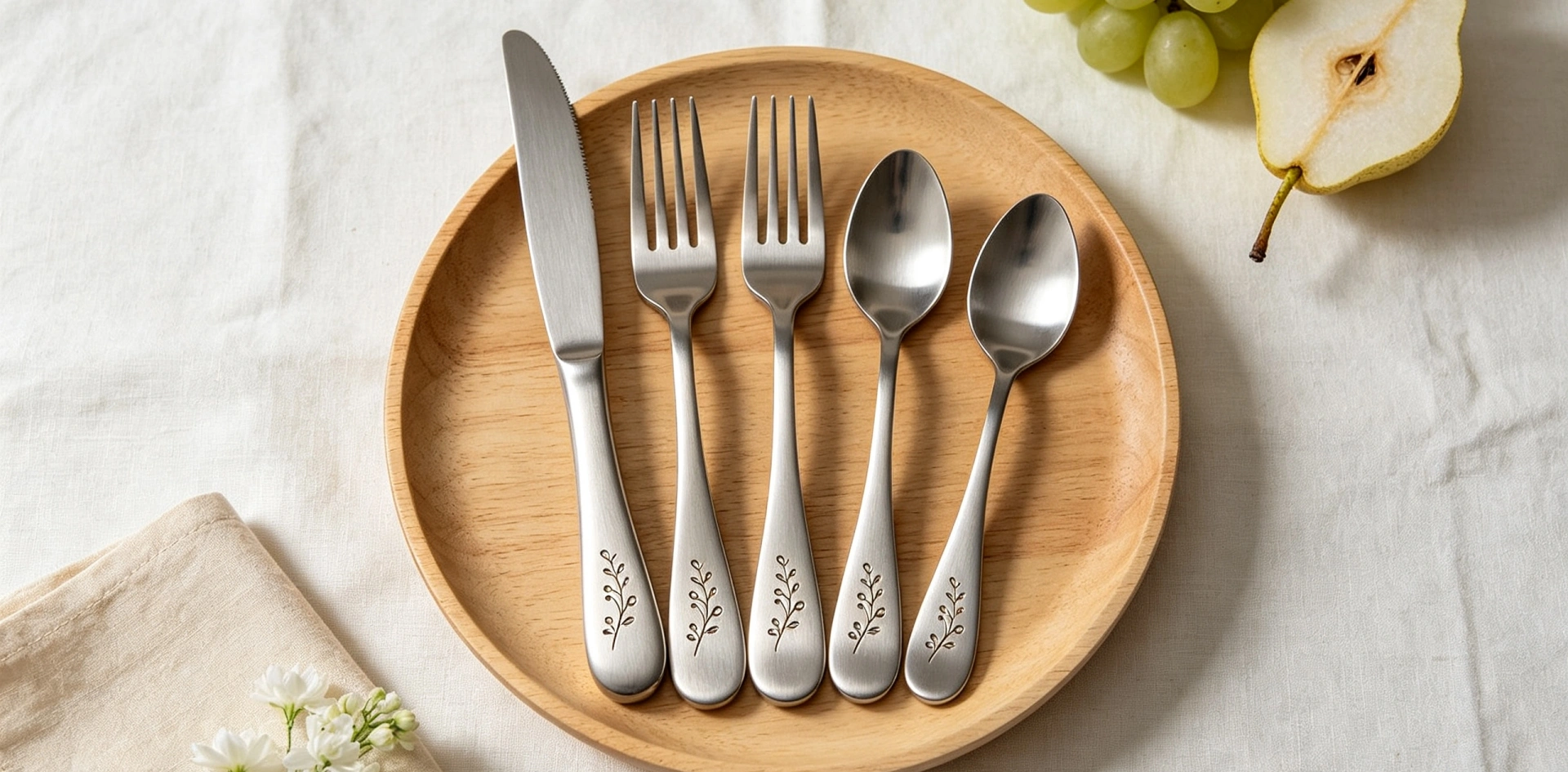
The first step is selecting suitable cutlery. Items such as besteck sächsisches königshaus feature ornate handles with intricate patterns that naturally lend themselves to decorative projects. Choosing high-quality stainless steel ensures durability, as poorly made utensils may bend or break during shaping. Other sets, like esmeyer besteck bistro, offer sleek lines and smooth finishes that are perfect for minimalist designs. When working with cutlery jewellery, selecting pieces with consistent thickness and strength simplifies cutting, bending, and polishing processes.
Shaping utensils into jewellery requires specialized tools. Jewelry pliers, metal shears, and small files allow precise modifications without damaging the metal. For curved designs, gentle heating can soften stainless steel slightly, making bending easier. Cutting tools should be sharp, and edges must be carefully filed to avoid rough surfaces that can scratch the skin. For example, transforming a spoon handle from mepra besteck fantasia into a pendant may involve trimming the bowl and smoothing the edges to create a comfortable, wearable piece.
Design planning is essential. Sketching the intended jewellery layout ensures symmetry and functionality. Rings may require measured bends to fit finger sizes, while bracelets benefit from consistent curvature for comfort. Incorporating decorative details from handles, such as embossed motifs or engraved names, adds uniqueness and artistic value. Stainless steel utensils from Homefelt are ideal for this purpose due to their resilience, consistent quality, and resistance to tarnish or corrosion, making them suitable for long-lasting wearable art.
Polishing and finishing enhance the final product. After shaping, metal surfaces should be buffed to remove scratches and restore shine. Optional patinas or plating can add color and contrast, highlighting details from ornate handles or engraved patterns. For utensils originally designed with decorative features, careful preservation of these details ensures the jewellery maintains both aesthetic appeal and historical value. Projects using besteck sächsisches königshaus or esmeyer besteck bistro can result in jewellery pieces that blend elegance with personal storytelling.
Safety is paramount during the creation process. Protective gloves and eyewear prevent injuries from sharp edges or flying metal shards. Adequate ventilation is essential when using heat or chemical polishing agents. Additionally, ensuring all edges are smooth before wearing avoids skin irritation. The durability of Homefelt stainless steel products provides a reliable base, minimizing the risk of breakage during both the crafting process and everyday wear.
Incorporating creativity with practicality, cutlery jewellery can also serve as gifts, commemorative pieces, or conversation starters. Utensils with personal significance, engraved names, or decorative patterns can be transformed into custom jewellery that reflects identity and history. This approach not only recycles unused or inherited cutlery but also celebrates craftsmanship in a functional, artistic form. Items like mepra besteck fantasia inspire imaginative interpretations, blending classic tableware design with contemporary fashion.


Who Makes Chicago Cutlery
How to Stack Cutlery in Dishwasher
Related Article