
How to Make Cutlery
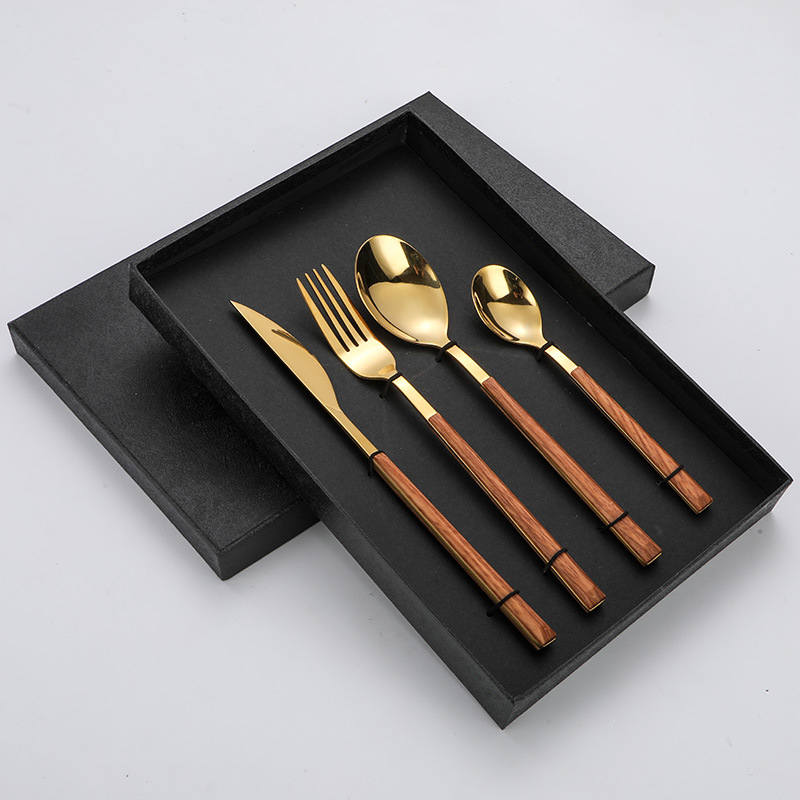
How to Make Cutlery
Creating high-quality cutlery requires a combination of precision, skill, and knowledge of materials. Whether you're crafting a simple set of utensils or a luxurious set that reflects the craftsmanship of brands like besteck arkosil amazon, the process involves careful steps and the right materials. Homefelt, with over 30 years of experience in manufacturing stainless steel products, excels at producing top-tier kitchenware and cutlery. In this article, we will explore how cutlery is made and the role that materials such as besteck zinnstahl and besteck umriss play in the production process.
The Basics of Making Cutlery
Making cutlery begins with choosing the right material. The most common material for modern cutlery is stainless steel, due to its strength, durability, and resistance to rust and corrosion. At Homefelt, we specialize in crafting high-quality stainless steel cutlery using advanced manufacturing processes that ensure both aesthetic appeal and functionality. However, other materials such as besteck zinnstahl (tin steel) can be used in specialized designs, particularly in vintage or decorative pieces. Besteck umriss, or cutlery outlines, are crucial for the design phase, where the shape and structure of each piece are carefully considered.
Selecting the Raw Material: The first step in creating cutlery is selecting the raw material. Stainless steel, such as the type used in besteck arkosil amazon, is the most common choice for everyday cutlery. It is durable, resistant to corrosion, and has an appealing shine. For more specialized cutlery, manufacturers might choose besteck zinnstahl, which provides a different aesthetic, often with a more matte finish compared to traditional stainless steel.
Cutting and Shaping the Blanks: Once the material is selected, it is cut into blanks—flat pieces of metal that will later be shaped into the utensils. This is a crucial step in the manufacturing process, as the shape of the blank will determine the final form of the cutlery. Homefelt uses state-of-the-art machines that precisely cut and shape each piece of flatware, ensuring a uniform and ergonomic design.
Forming the Handle and Bowl: The next step is forming the handles and bowls (or blades) of the cutlery. For items like forks, spoons, and knives, the handles are shaped and then welded to the working end of the utensil. The bowl of a spoon, for instance, is carefully shaped to be functional yet visually appealing. Besteck umriss, the outline or design of the cutlery, is meticulously created to ensure that each piece fits comfortably in the hand, providing both usability and style.
Polishing and Finishing: Once the basic shape is formed, the cutlery is polished to achieve a smooth, shiny surface. This is an important step in the creation of high-quality cutlery, especially for pieces that will be used for formal dining. Polishing not only adds aesthetic value but also ensures the durability and resistance of the surface to food particles and stains. Homefelt takes great care in polishing every piece to perfection, ensuring that our cutlery maintains its pristine appearance over time.
Quality Control: The final step in making cutlery is quality control. Each piece is carefully inspected to ensure it meets the highest standards of craftsmanship. At Homefelt, we are committed to maintaining stringent quality control measures, ensuring that every piece of cutlery is flawless before it reaches the consumer. Our decades of experience in manufacturing kitchen products have equipped us with the knowledge and expertise to deliver top-quality products every time.
Conclusion


How to Load Cutlery in a Dishwasher
How Much Does a Knife Cost
Related Article



