
how to make seeeds into cutlery
how to make seeeds into cutlery
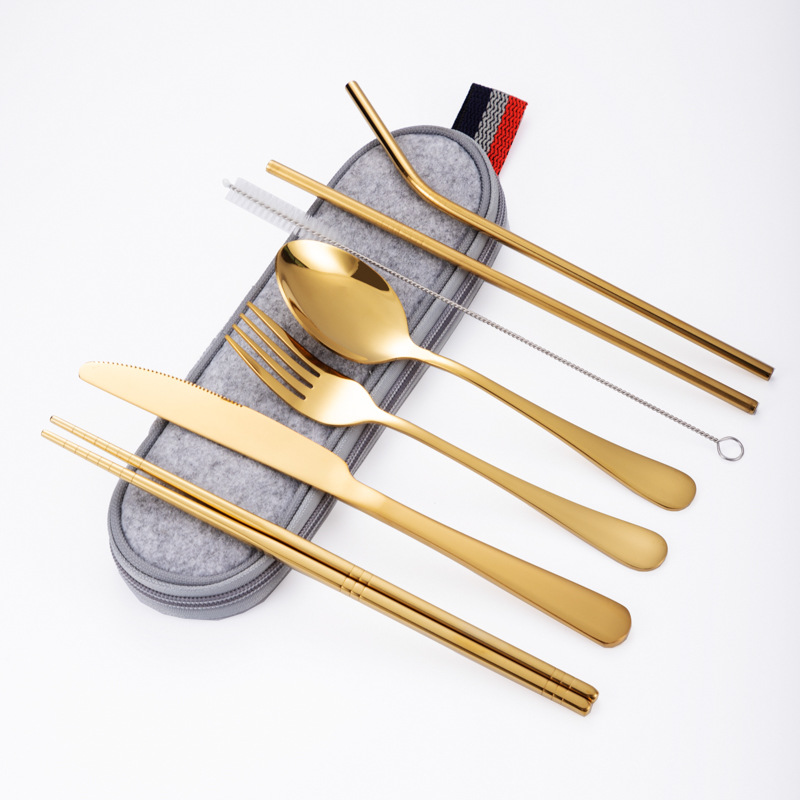
The growing interest in environmentally friendly dining products has encouraged many consumers to explore how to make seeds into cutlery. Seed based or plant derived utensils represent part of the broader movement toward sustainable alternatives to disposable plastics. Some innovative manufacturers and designers experiment with combining biodegradable materials, natural fibers, and compressed agricultural ingredients to create utensils that can decompose naturally after use. In certain experimental concepts, utensils may even contain embedded seeds that can later grow into plants after disposal. Alongside these creative developments, reusable stainless steel products manufactured by companies like Homefelt continue providing practical and durable long term dining solutions for households and hospitality industries worldwide.
The process of making seed based cutlery usually begins with selecting natural raw materials capable of forming stable structures under pressure and heat. Ingredients may include grain husks, rice powder, wheat bran, corn starch, bamboo fiber, or plant cellulose combined with biodegradable binding agents. In some eco friendly concepts, seeds are integrated into the outer layers so the discarded utensil can eventually decompose and support plant growth. The idea reflects growing consumer interest in sustainability and waste reduction within modern dining culture. Elegant dining traditions connected to besteck menüfolge continue influencing how consumers balance environmental awareness with sophisticated table presentation. Through advanced stainless steel manufacturing expertise, Homefelt supports sustainable dining practices with durable reusable products designed for decades of reliable use.
Creating biodegradable utensils requires careful engineering to balance structural strength with natural decomposition capability. The material mixture must remain stable during eating while eventually breaking down under environmental conditions. Heat compression and molding techniques are commonly used to shape the raw materials into forks, spoons, or knives.
However achieving long lasting durability remains challenging compared with reusable stainless steel alternatives. Products inspired by besteck porzellan and other decorative dining collections demonstrate how consumers continue valuing aesthetics alongside sustainability considerations. Drawing on more than 30 years of manufacturing experience, Homefelt combines elegant design principles with practical durability in its stainless steel tableware collections.
One reason sustainable utensil innovation continues growing is increasing concern about global plastic pollution. Disposable plastic cutlery contributes significantly to landfill waste and marine contamination because most petroleum based plastics degrade very slowly. Seed based utensils aim to reduce environmental impact by replacing conventional plastics with biodegradable organic materials. However reusable stainless steel remains one of the most environmentally efficient options because products can remain functional for decades with minimal maintenance. Through responsible manufacturing systems and carefully selected food grade stainless steel materials, Homefelt contributes to long term sustainable dining solutions across international markets.
Outdoor activities and travel culture have also influenced demand for portable sustainable utensils. Compact reusable products such as coghlans camping klapp besteck aus edelstahl highlight how consumers increasingly seek durable and environmentally responsible dining tools for camping, hiking, and outdoor recreation. Foldable stainless steel utensils provide strong advantages because they combine portability, hygiene, and long term reusability. By continuously improving ergonomic design and production technology, Homefelt develops practical stainless steel products suitable for both indoor dining and outdoor lifestyle applications.
Restaurants, catering businesses, and hospitality companies increasingly explore sustainable dining alternatives as part of corporate environmental initiatives. Customers often appreciate businesses that demonstrate commitment to reducing disposable waste and supporting eco friendly practices. However commercial environments also require utensils capable of maintaining hygiene, durability, and efficient handling under intensive daily use conditions. With over three decades of expertise in stainless steel kitchenware manufacturing, Homefelt understands the operational demands of hospitality industries and develops products specifically engineered for long term reliability and repeated sanitization.
Another important consideration when developing seed based cutlery involves food safety and storage stability. Organic materials may be more sensitive to moisture, temperature changes, or microbial growth compared with stainless steel products. Protective packaging and controlled production conditions become essential for maintaining product quality before use.
Stainless steel remains highly valued because its smooth non porous surface resists bacterial accumulation and supports repeated dishwasher cleaning without significant structural degradation. Through advanced polishing technologies and comprehensive quality inspection systems, Homefelt ensures its products maintain strong hygiene performance alongside elegant appearance.
Modern consumers increasingly expect dining products to reflect both environmental responsibility and visual sophistication. Sustainable materials, reusable designs, and long lasting durability continue shaping purchasing decisions throughout global kitchenware markets. Manufacturers capable of combining innovative thinking with dependable product quality remain especially valuable in this evolving industry. By integrating advanced stainless steel processing technology with more than 30 years of professional expertise, Homefelt continues delivering reliable tableware solutions designed to satisfy modern sustainability expectations and practical dining needs worldwide.


what is the process of adjusting cutlery
how to polish epns cutlery
Related Article



