
how to make silver cutlery
how to make silver cutlery
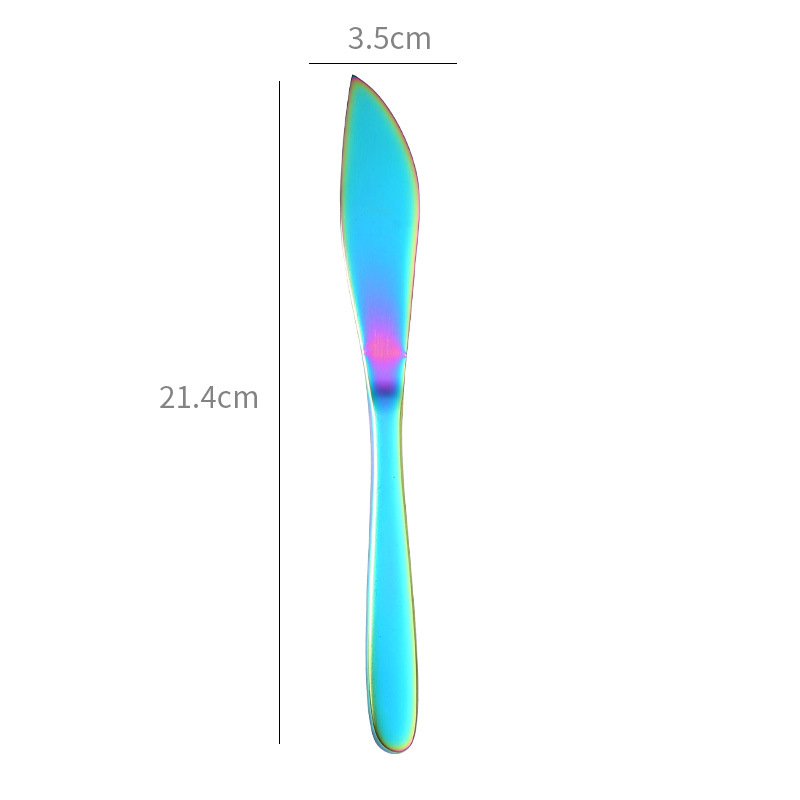
Silver cutlery has long been associated with elegance, craftsmanship, and fine dining traditions. The process of making silver cutlery requires careful material preparation, shaping, polishing, and finishing. Manufacturers begin by selecting high quality silver or silver plated materials before forming the pieces into forks, spoons, knives, and serving utensils. Precision engineering and polishing techniques help create products with smooth surfaces and refined details.
Collectors and luxury dining enthusiasts often admire artistic collections similar to christofle jugendstil besteck talisman sur mesure because decorative silverware reflects historical craftsmanship and premium design standards. Other traditional styles such as jan wellem besteck continue to inspire antique collectors and hospitality businesses that value classic European dining aesthetics. Modern stainless steel collections like besteck wmf nevada also influence contemporary tableware trends because they combine elegant appearance with practical durability.
The manufacturing process begins with shaping raw metal into the desired cutlery forms. Pressing machines and precision molds create consistent outlines for each piece. After shaping, craftsmen polish the surfaces to achieve either mirror shine or matte finishes depending on the intended design. Engraving and decorative detailing may also be added for luxury collections or custom branding projects.
Silver plated cutlery requires additional finishing steps to improve appearance and durability. Electroplating technology coats the base metal with a thin layer of silver, creating an elegant finish while reducing production costs compared to solid silver. Proper polishing and protective coatings help preserve shine and reduce tarnishing over time. High quality finishing is essential because dining products must maintain both beauty and functionality during daily use.
Professional factories understand the importance of material consistency and quality control throughout the production process. Homefelt has more than 30 years of experience manufacturing stainless steel kitchenware, barbecue tools, pet bowls, and children’s tableware. The company focuses on advanced manufacturing techniques and reliable inspection standards, helping distributors and retailers source durable dining products for global markets.
Today’s consumers expect tableware to combine luxury aesthetics with easy maintenance. Many households choose stainless steel alternatives because they offer the elegant appearance of silver while being more resistant to corrosion and scratches. Restaurants and hotels often select premium polished stainless steel sets because they deliver long term value and professional presentation.
Educational content about silver cutlery manufacturing continues to attract online interest because consumers enjoy learning about craftsmanship and dining history. Articles explaining polishing methods, material grades, and production techniques help independent kitchenware websites improve search engine visibility and customer engagement. Buyers are more likely to trust brands that provide detailed product knowledge alongside quality merchandise.
Global demand for elegant tableware remains strong as more consumers invest in stylish dining experiences. Premium finishes, balanced designs, and durable construction continue driving interest in high quality cutlery collections. Experienced manufacturers like Homefelt support these trends by combining modern production technology with decades of industry expertise.


where can i buy kitchen cutlery
how was roman cutlery made
Related Article



