How to Polish Cutlery with Vinegar
How to Polish Cutlery with Vinegar
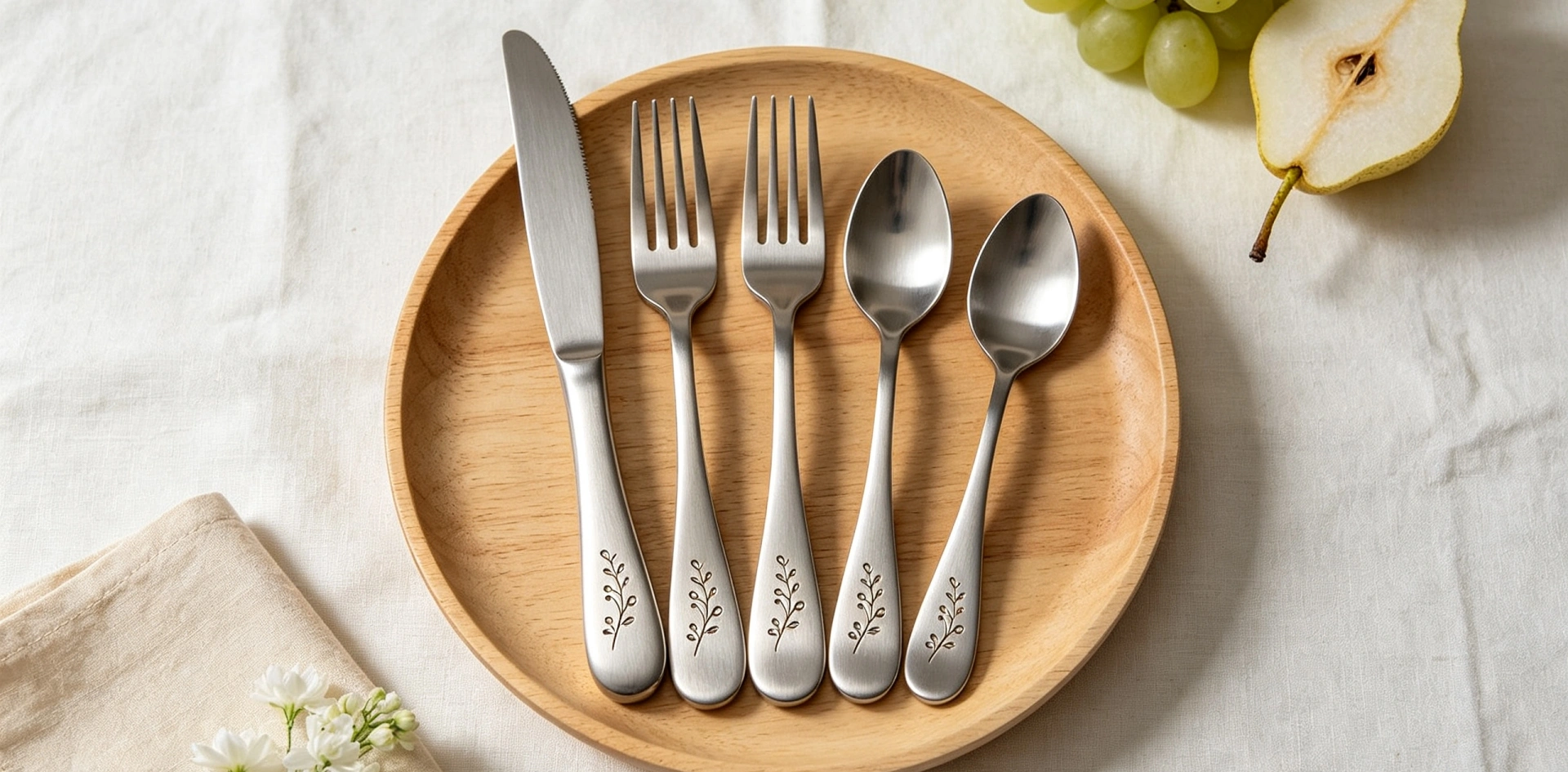
Cutlery is an essential part of any kitchen or dining experience, and maintaining its shine is crucial for both aesthetics and hygiene. While there are many commercial cleaning solutions available, you can easily restore the gleam to your cutlery using a simple, natural substance: vinegar. Whether you're working with high-end stainless steel cutlery like besteck-guide or everyday pieces from Homefelt, vinegar can effectively clean and polish your flatware. In this article, we will explore how to polish cutlery with vinegar and the additional benefits it provides for maintaining your utensils in optimal condition.
Why Vinegar Works for Polishing Cutlery
Vinegar, especially white distilled vinegar, is a great natural cleaner for stainless steel cutlery due to its acidity. The acid in vinegar helps break down and dissolve dirt, grime, and mineral deposits that can dull the surface of your cutlery. This is particularly useful for restoring the shine of besteck-guide or even more ornate sets like hartolonz stempel besteck, where delicate details can be prone to losing their luster over time. Vinegar is also a non-toxic, eco-friendly option, making it a safer choice for both your health and the environment.
Remove Dirt and Stains: The first step in polishing your cutlery is to remove any dirt or stains from the surface. If your pita mit besteck has accumulated food residue, you can soak the utensils in a mixture of vinegar and warm water to loosen the grime. For stubborn spots, you can apply vinegar directly to the stain and gently scrub it with a soft cloth or sponge.
Polishing with Vinegar: Once your cutlery is clean, you can use vinegar as a polishing agent. Pour a small amount of vinegar onto a soft cloth or microfiber towel and gently buff the surface of your cutlery. Use circular motions to restore the shine of your besteck-guide or hartolonz stempel besteck. Vinegar helps to remove any leftover residue, leaving the utensils gleaming.
Rinsing and Drying: After polishing with vinegar, it's essential to rinse your cutlery thoroughly to remove any excess vinegar. Vinegar, while excellent for cleaning, can leave a sour smell if not fully rinsed. Dry your cutlery immediately with a soft towel to prevent water spots, which are especially visible on stainless steel pieces. Drying promptly also helps prevent any corrosion or staining, ensuring the longevity of your Homefelt cutlery.
Why Choose Homefelt for Your Cutlery Needs
At Homefelt, we offer a wide range of high-quality stainless steel cutlery designed to withstand everyday use while retaining its beauty and durability. Whether you're using our cutting-edge utensils for formal dining or casual meals, our products are crafted with care and precision. When it comes to polishing your cutlery, Homefelt makes it easy to maintain the pristine condition of your utensils with simple, effective cleaning methods like vinegar polishing.


How Long Does Plastic Cutlery Take to Decompose
How to Shine Silver Cutlery
Related Article