
How to Position Stainless Steel Cutlery for Mid-Range vs Premium Markets
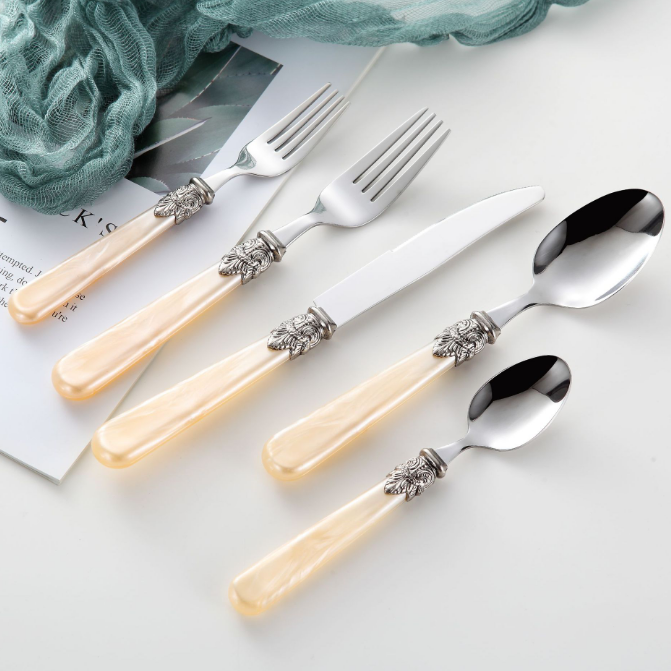
When building a stainless steel cutlery line for EU or US markets, positioning is everything. A mid-range retail set and a premium dining collection may look similar at first glance, but the difference becomes obvious once you hold them.
The biggest factor is thickness.
Mid-range cutlery usually uses moderate thickness to balance cost and durability. It feels solid enough for daily home use but remains price-competitive for supermarket or online retail channels.
Premium cutlery, on the other hand, uses thicker stainless steel and tighter finishing control. The added weight creates a more stable, high-end feel in the hand. This is important for customers who associate heavier utensils with quality.
Surface finish also affects positioning.
-
Mirror polish often works well for gift sets and formal dining collections.
-
Satin or brushed finishes are popular in modern, upscale restaurants.
Design details matter, but they are secondary to structure and weight. A well-balanced fork or spoon immediately communicates value without needing decorative patterns.
From a manufacturer’s perspective, adjusting thickness and polish level is a practical way to build multiple product tiers without redesigning everything from scratch. This keeps production efficient while allowing brands to cover different market segments.
For OEM buyers, clear positioning from the beginning prevents confusion later. Decide first whether the target is mass retail or premium dining. Then align thickness, finish, and packaging accordingly.
In stainless steel cutlery, product level is not about decoration—it is about structure and feel.


What Affects the Cost of Stainless Steel Cutlery Sets?
Mirror vs Satin Finish Which Works Better for Adult Cutlery Lines



