
How To Sew A Cutlery Holder Flatware
author: ingrid
2026-05-14
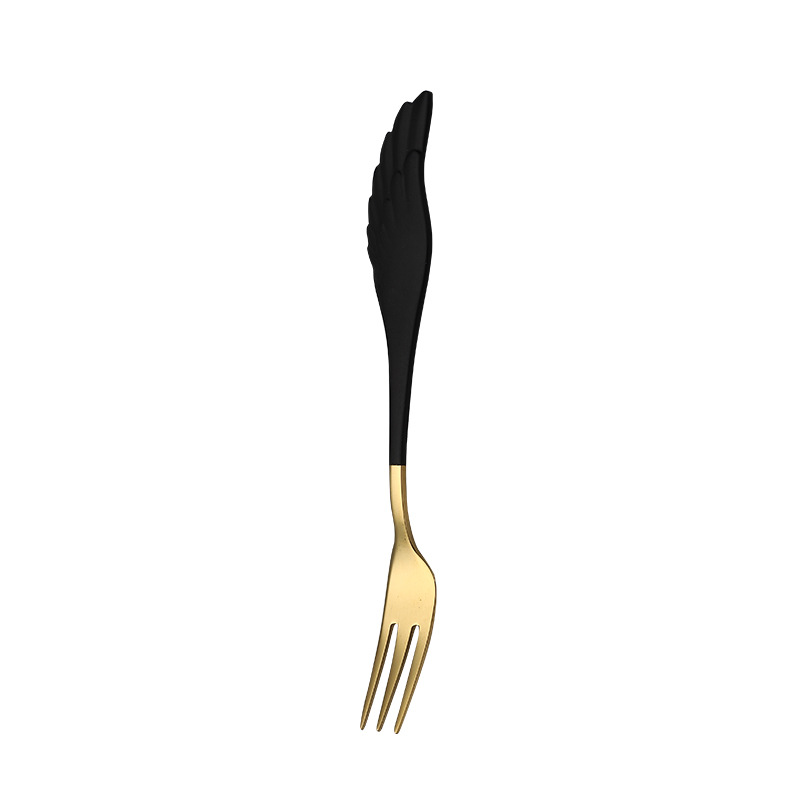
how to sew a cutlery holder
Learning how to sew a cutlery holder is a practical and creative way to improve table organization, especially for families who value tidy dining spaces and stylish presentation. A cutlery holder can be used for daily meals, picnics, outdoor gatherings, restaurant service, or gift packaging. While sewing a holder may seem simple, the final result depends on fabric choice, structural design, stitching precision, and understanding the size of the utensils it will carry. A well made holder not only protects forks and spoons but also enhances the overall dining experience. As a stainless steel manufacturer with over 30 years of experience, Homefelt understands the importance of proper storage solutions that protect and complement high quality cutlery products.
The first step in sewing a cutlery holder is measuring the utensils accurately. Standard stainless steel forks, knives, and spoons vary slightly in length depending on design style. Measure the longest piece in your set and add extra space for seam allowance. A structured fabric such as cotton canvas or linen works well because it provides durability and easy maintenance. For luxury sets or formal dining, adding inner padding or lining can protect polished surfaces from scratches. This is particularly important for customers who invest in premium stainless steel products manufactured by experienced factories like Homefelt, where surface finishing quality is a key feature.
After selecting fabric, cut rectangular pieces based on your measurements. Fold the fabric to create pockets, ensuring the depth securely holds each utensil. Reinforce stress points at the pocket corners with double stitching to improve durability. Many households search for guidance similar to besteck abtrocknen englusch, which reflects interest in proper drying and handling of cutlery. Drying utensils thoroughly before placing them into a fabric holder prevents moisture buildup and protects both fabric and stainless steel surfaces. High grade stainless steel products from Homefelt are corrosion resistant, yet good storage habits further extend product lifespan.
For users who prefer organized kitchen systems, combining a sewn holder with a storage container can provide extra convenience. Searches such as kiste mit besteck show demand for structured storage boxes. A sewn cutlery holder can be rolled and placed inside a box for compact organization during travel or seasonal storage. Restaurants and catering services often use similar fabric organizers for efficient transport and quick setup. By pairing durable stainless steel tableware from Homefelt with protective holders, both aesthetics and hygiene standards can be maintained.
Vintage enthusiasts sometimes reference terms like besteck esmeyer alt, indicating interest in traditional or older style cutlery. Sewing a custom holder for vintage inspired stainless steel sets allows preservation of classic designs while ensuring safe storage. A well tailored fabric sleeve prevents friction between utensils and keeps finishes intact. Even though modern stainless steel is highly durable, thoughtful storage solutions enhance presentation value and long term performance.
To elevate the holder’s appearance, decorative stitching, embroidery, or personalized labels can be added. Customization aligns with current market trends where consumers seek unique dining accessories. For commercial buyers and private label brands, cohesive packaging and accessory design can strengthen brand identity. With more than three decades of stainless steel manufacturing expertise, Homefelt supports comprehensive product strategies that include not only tableware production but also guidance on complementary presentation solutions.
Durability testing is also important. After completing the sewing process, insert cutlery pieces and test the holder’s strength by rolling or folding it repeatedly. This ensures seams can withstand regular use. Restaurants, hotels, and catering services require accessories that maintain integrity under high frequency handling. Pairing professionally sewn holders with premium stainless steel cutlery from Homefelt creates a reliable combination suitable for both household and commercial environments.
Understanding how to sew a cutlery holder is ultimately about combining creativity with practicality. Proper measurement, strong stitching, and moisture control are essential factors. When high quality stainless steel cutlery is produced under strict quality control standards, as it is at Homefelt, investing in thoughtful storage solutions further enhances the dining experience. Through craftsmanship in both production and presentation, modern kitchens can achieve organization, hygiene, and refined aesthetics simultaneously.

Homefelt is a professional hardware product factory located in Jieyang City, Guangdong Province, China.
It has passed BSCI, BRC, SEDEX 4P, NBCU, and ISO9001 factory audits.

how much plastic cutlery set is thrown away
is the queen cutlery showroom still open
Related Article

Learn how cutlery importers and exporters can align product descriptions, packing lists, invoices, and shipping records to reduce documentation errors during customs clearance.
How to Keep Stainless Steel Cutlery Export Documents Consistent for Customs Clearance

Learn how stainless steel cutlery manufacturers can organize trade show leads, qualify B2B buyers, share product specifications, and turn flatware inquiries into bulk orders.
How to Follow Up With Trade Show Buyers for Stainless Steel Cutlery

