
How To You Pronounce Cutlery
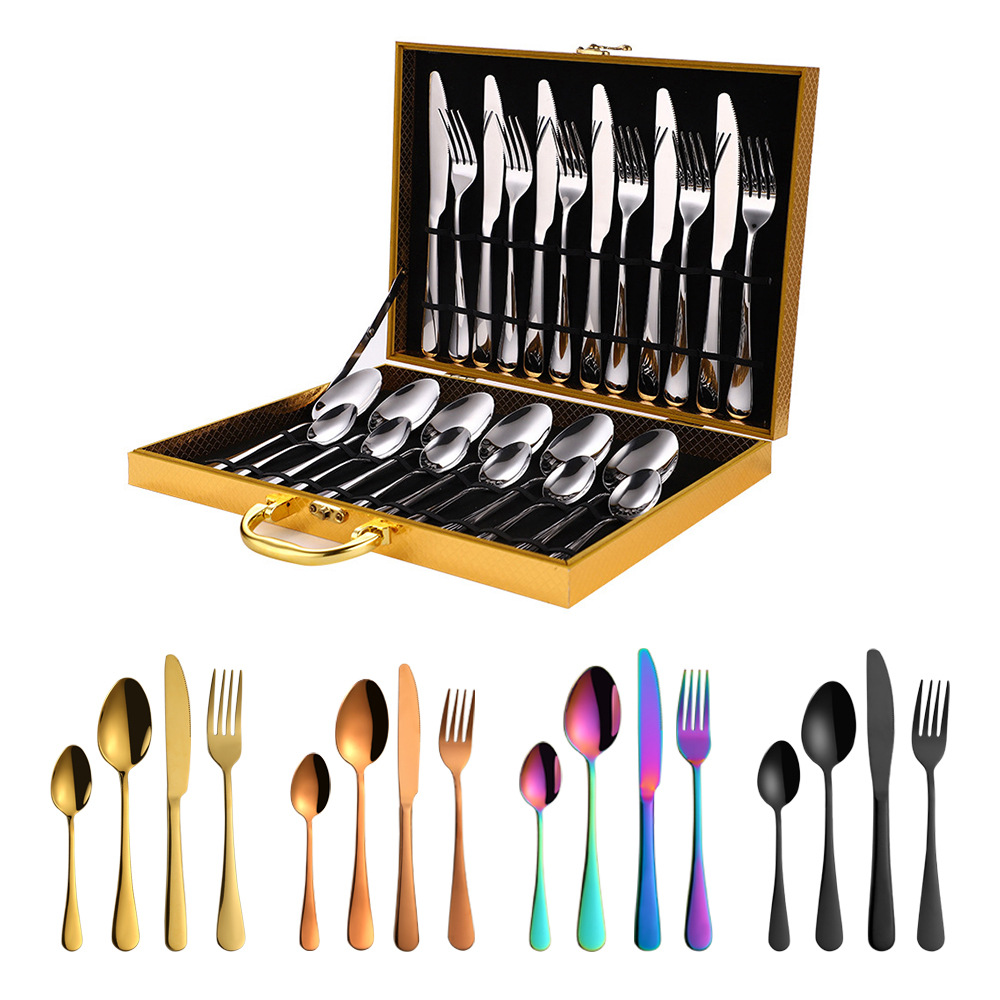
How To You Pronounce Cutlery
Language can be wonderfully complex, and even everyday words can become points of confusion. One such example is the question: how to you pronounce cutlery?
For a word so common in households, restaurants, and manufacturing, it’s surprising how often its pronunciation gets muddled.
The correct pronunciation is /ˈkʌt.ləri/, with emphasis on the first syllable: “CUT-luh-ree.”
It consists of three syllables, and the middle ‘l’ is often softened or even slightly dropped in rapid speech.
The term originates from the Latin cultellus, meaning knife, and has evolved through Middle English and Old French before settling into the modern term we know today.
Understanding the pronunciation is especially important in professional environments—such as catering, hospitality,
or product sales—where mispronunciation can lead to confusion or even reduce perceived credibility.
At Homefelt, a global stainless steel product manufacturer with more than 30 years of experience,
we understand the importance of clear communication in both domestic and international markets.
Whether you're discussing cutlery in English or translating it for multilingual product listings, using the correct pronunciation can improve customer trust and clarity.
Pronunciation and International Business
In global trade shows or international sales meetings, clear pronunciation matters.
For example, if you’re offering wedding plates and cutlery hire services or showcasing your inventory of finished food cutlery in a presentation,
clarity in speaking builds authority and ensures mutual understanding.
Incorrect pronunciation can hinder discussions, especially when negotiating large product volumes, such as great eastern cutlery 38 collector sets or Homefelt’s extensive cutlery catalog.
As such, we encourage proper training and pronunciation education within sales teams and customer-facing staff.
The Role of Cutlery in Cultural and Linguistic Identity
The word cutlery may be familiar in English-speaking regions, but its alternatives vary greatly worldwide.
In some places, terms like "flatware" or "silverware" are more commonly used. In business,
especially for services like wedding plates and cutlery hire, it’s important to know which terminology fits your target region best.
When partnering with international vendors or listing products in online stores, brands must choose terminology and pronunciation that resonates with their customer base.
At Homefelt, we support our clients by offering multilingual packaging and labeling options to ensure product understanding in all markets.
Why Pronunciation Matters in Brand Identity
Pronunciation doesn’t just serve communication—it reflects attention to detail.
Whether it's pronouncing “cutlery” properly or referring to our branded products with clarity, these small elements affect overall customer perception.
For brands selling online or at physical events, customer education materials often include product names, care instructions, and descriptions.
Teaching buyers the proper pronunciation of the word “cutlery” can enhance their product knowledge and buying confidence.
When selling high-end utensils, clarity matters as much as material quality.
Conclusion: Say It Right, Sell It Better
So, how to you pronounce cutlery? It’s “CUT-luh-ree.” And pronouncing it correctly can enhance professional credibility, boost customer engagement, and solidify your brand image.
At Homefelt, we not only manufacture premium stainless steel cutlery for global distribution but also help our partners and clients present their offerings with clarity, confidence,
and cultural awareness. When you speak of cutlery—speak clearly, proudly, and correctly, especially when it’s Homefelt.
How US Cutlery Set Eat
How to Value Your Old Silver Cutlery
Related Article



