
how was roman cutlery made
how was roman cutlery made
The history of cutlery dates back thousands of years, and many people are curious about how Roman cutlery was made. Ancient Roman civilization played an important role in the development of dining utensils, laying the foundation for many of the tools we still use today. Roman cutlery was not only practical but also reflected the craftsmanship, social status, and culture of the period.
Roman artisans primarily used bronze, iron, silver, and occasionally gold to manufacture cutlery. The process began with the extraction and refining of metals, followed by forging and shaping. Skilled craftsmen heated the metal and hammered it into the desired forms, creating knives, spoons, and serving utensils. Unlike modern mass production, every piece was individually crafted, making each item unique.
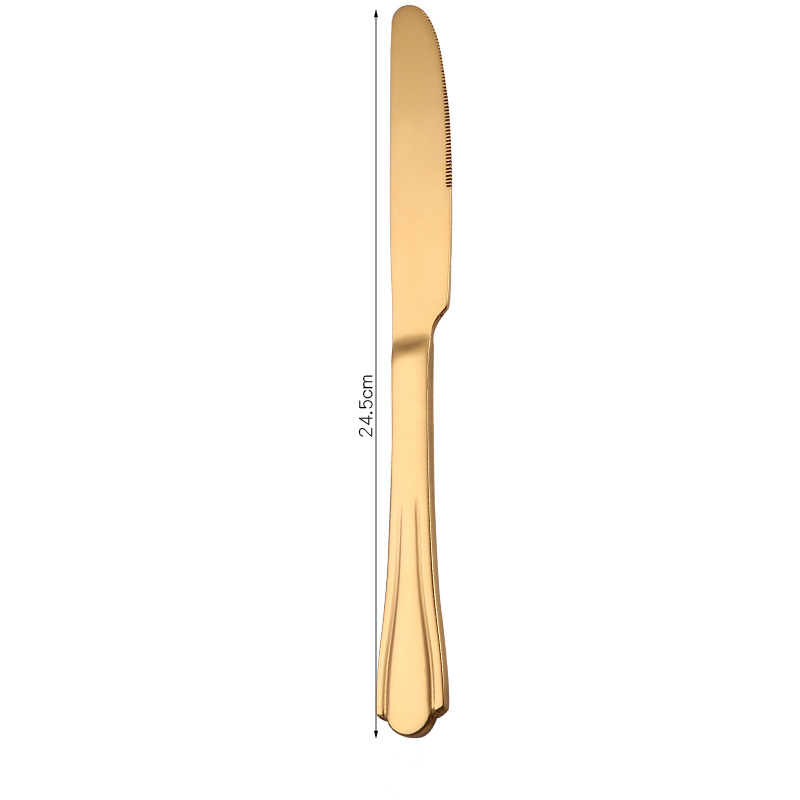
Knives were among the most common utensils in Roman households. They were used for preparing food as well as eating. Wealthier families often owned beautifully decorated pieces that featured engravings and symbolic markings. Similar attention to detail can be seen in modern collector discussions about products such as besteck symbol sonne, where decorative elements enhance the overall appeal of the cutlery.
Roman spoons were also highly advanced for their time. Many featured long handles and small bowls designed for consuming sauces, eggs, and other dishes common in Roman cuisine. The development of specialized utensils demonstrated the sophistication of Roman dining customs and their understanding of functionality.
As cutlery craftsmanship evolved through history, many premium collections emerged. Today, consumers interested in classic elegance often explore products like bruckmann besteck patricia, which combine traditional aesthetics with modern manufacturing standards. These products reflect the enduring influence of historical craftsmanship on contemporary tableware design.
When choosing cutlery today, buyers frequently ask besteck worauf achten, meaning what factors should be considered when purchasing cutlery. Key considerations include material quality, durability, ergonomics, design, and manufacturing expertise. These same principles have remained relevant throughout centuries of cutlery development.
Modern manufacturing has transformed the production process dramatically. Advanced machinery now allows for precision cutting, forging, polishing, and finishing. However, the commitment to craftsmanship remains essential. This is where Homefelt stands out in the industry. With more than 30 years of experience in stainless steel manufacturing, Homefelt has developed extensive expertise in producing cutlery, kitchenware, barbecue tools, pet bowls, children's tableware, and numerous other stainless steel products.
Through strict quality control systems and advanced production technology, Homefelt ensures that every product delivers excellent durability, functionality, and appearance. The company understands that today's consumers expect products that combine practicality with refined design, much like the Romans valued both utility and craftsmanship in their dining utensils.
In conclusion, Roman cutlery was created through skilled metalworking techniques that emphasized durability and functionality. Although manufacturing methods have evolved significantly, the core principles of quality craftsmanship remain unchanged. By combining decades of production expertise with modern technology, Homefelt continues to carry forward the tradition of creating reliable and attractive cutlery for customers worldwide.


how to make silver cutlery
how to sharpen chicago cutlery knife
Related Article



