
is compostable cutlery non-toxic
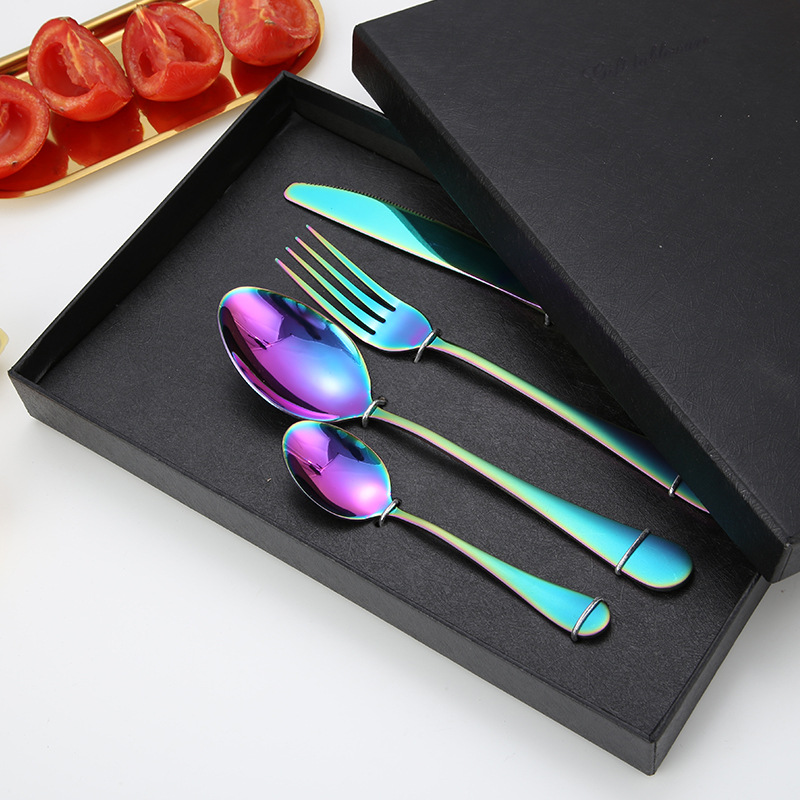
is compostable cutlery non-toxic
Compostable cutlery has become one of the fastest growing product categories in the global dining and packaging industry. As restaurants, cafes, hotels, airlines, and takeaway services search for more sustainable alternatives to traditional plastic utensils, many consumers are asking an important question: is compostable cutlery non-toxic? The short answer is yes, high quality compostable cutlery produced under proper manufacturing standards is generally considered non-toxic and safe for food contact. However, understanding the materials, production process, certifications, and quality control behind compostable utensils is essential for both consumers and commercial buyers.
Compostable cutlery is usually manufactured from renewable resources such as cornstarch, bamboo fiber, sugarcane pulp, PLA, CPLA, or other plant-based materials. Unlike conventional petroleum-based plastic utensils, these products are designed to break down more naturally under industrial composting conditions. The primary advantage of compostable cutlery is that it combines dining convenience with reduced environmental impact. Consumers increasingly prefer eco-friendly products because sustainability has become an important global purchasing trend.
Professional manufacturers such as Homefelt understand the growing demand for environmentally responsible dining solutions. With more than thirty years of experience in stainless steel product manufacturing, kitchenware production, barbecue accessories, pet bowls, and children’s tableware, Homefelt has developed strong expertise in quality control and food-safe production standards. This extensive experience allows the company to understand both traditional dining products and the modern transition toward sustainable tableware alternatives.
One of the main reasons consumers worry about toxicity is the presence of harmful chemicals sometimes associated with low-quality disposable utensils. Inferior products may contain unsafe additives, industrial fillers, or poorly controlled coloring agents. Reliable compostable cutlery manufacturers avoid these risks by using certified food-grade materials and carefully monitored production systems. Products intended for international markets often undergo strict testing for heavy metals, BPA content, heat resistance, and food contact safety compliance.
The market for sustainable dining products has evolved rapidly in recent years. Consumers are no longer satisfied with disposable utensils that simply perform basic functions. Today’s buyers expect eco-friendly cutlery to also provide durability, attractive appearance, and comfortable handling. Modern compostable forks and spoons are stronger, smoother, and more visually appealing than early biodegradable products introduced years ago.
Keywords such as collini besteck bewertung reflect the growing consumer habit of researching product quality and customer reviews before purchasing dining accessories. Buyers now compare sustainability claims, material performance, and design aesthetics across different brands and suppliers. Positive reviews often depend on factors such as heat resistance, strength, edge smoothness, and overall dining comfort.
The term non-toxic refers to materials that are safe for human contact and do not release harmful substances during normal use. Certified compostable utensils are generally designed for safe food contact, especially when produced according to international manufacturing standards. However, not all products on the market are equal. Commercial buyers should work with experienced suppliers that prioritize material verification, quality inspection, and reliable sourcing practices.
At Homefelt, manufacturing quality is supported through systematic inspection procedures covering raw material evaluation, polishing standards, edge finishing, structural durability, and packaging consistency. Although the company is best known for stainless steel products, its broad kitchenware production experience gives valuable insight into the safety expectations of modern dining consumers.
Another important factor affecting safety is temperature resistance. Some compostable materials perform well with cold foods but may soften when exposed to hot soups or boiling liquids. Advanced CPLA and reinforced plant-based materials are specifically engineered to improve heat resistance while maintaining compostable characteristics. Buyers should therefore select products suited to their intended dining applications.
The appearance of compostable cutlery has improved dramatically. Earlier generations often looked rough or unfinished, but modern production technology now allows manufacturers to create elegant textures, polished surfaces, and sophisticated color options. Eco-friendly dining products are increasingly used at weddings, premium catering events, business conferences, and upscale cafes where visual presentation matters as much as environmental responsibility.
Dining culture also influences the demand for sustainable utensils. Outdoor festivals, takeaway restaurants, airline catering, and corporate dining programs all require lightweight and practical utensils that can support high-volume service. Compostable cutlery provides a convenient solution for businesses seeking to reduce reliance on traditional plastics while maintaining customer satisfaction.
Some buyers searching for hakenleiste besteck are also interested in dining organization and modern kitchen presentation. Sustainable living trends often include organized storage systems, reusable accessories, and environmentally conscious product choices. Compostable cutlery fits naturally within this broader movement toward responsible household consumption.
As governments around the world introduce restrictions on single-use plastics, demand for alternative materials continues to grow. Restaurants and retailers increasingly seek suppliers capable of delivering reliable eco-friendly products in large quantities. Factories with established production systems and international export experience are better equipped to meet these evolving market requirements.
Consumers are also becoming more educated about sustainability claims. Many now understand the difference between biodegradable and compostable products. Compostable utensils are specifically designed to decompose into non-toxic organic matter under proper composting conditions, while some biodegradable plastics may still leave harmful residues behind. Transparent communication and accurate product labeling therefore play an important role in building customer trust.
The hospitality industry has become especially active in promoting eco-friendly dining solutions. Hotels, cafes, and catering businesses increasingly highlight sustainable practices as part of their brand identity. Attractive compostable utensils help these businesses demonstrate environmental awareness without sacrificing dining presentation quality.
Keywords like besteck + kappel show how consumers often search for both practical functionality and decorative dining accessories. Modern buyers want products that look refined while also supporting sustainability goals. This shift encourages manufacturers to combine aesthetic design with responsible material selection.
At Homefelt, product development emphasizes durability, usability, and long-term reliability. The company understands that commercial buyers require consistent quality across large production volumes. Stable manufacturing processes, careful material sourcing, and professional packaging all contribute to customer confidence and long-term business relationships.
Another important advantage of compostable cutlery is reduced environmental pollution compared with conventional disposable plastics. While proper waste management infrastructure remains essential, compostable products represent a positive step toward reducing long-term landfill accumulation and ocean pollution. Many environmentally conscious consumers actively choose restaurants and brands that use sustainable packaging and dining accessories.
Educational awareness is also increasing among younger consumers. Schools, universities, and workplace cafeterias frequently adopt eco-friendly dining solutions to encourage sustainable habits. Lightweight compostable utensils are practical for high-traffic dining environments while supporting broader environmental initiatives.
The future of compostable cutlery will likely involve continued innovation in material science and manufacturing efficiency. Researchers are developing stronger plant-based compounds, improved composting compatibility, and enhanced heat resistance technologies. Manufacturers capable of adapting to these advancements will remain competitive in the evolving global tableware market.
The question is compostable cutlery non-toxic can therefore be answered with confidence when products are manufactured responsibly and certified according to food-safe standards. Reliable suppliers prioritize material safety, quality control, and customer transparency to ensure consumers receive dependable products suitable for modern dining applications.


is chiacgo cutlery good
how to start edible cutlery business
Related Article



