
Is It Safe to Eat from Slightly Rusty Cutlery
Is It Safe to Eat from Slightly Rusty Cutlery?
Rusty cutlery is a common issue, but is it safe to eat from? Rust can form on your favorite knives, forks, and spoons if they are not properly maintained.
In this article, we will explore the safety concerns surrounding slightly rusty cutlery, and offer solutions on how to handle rust and maintain your cutlery for both hygiene and aesthetics.
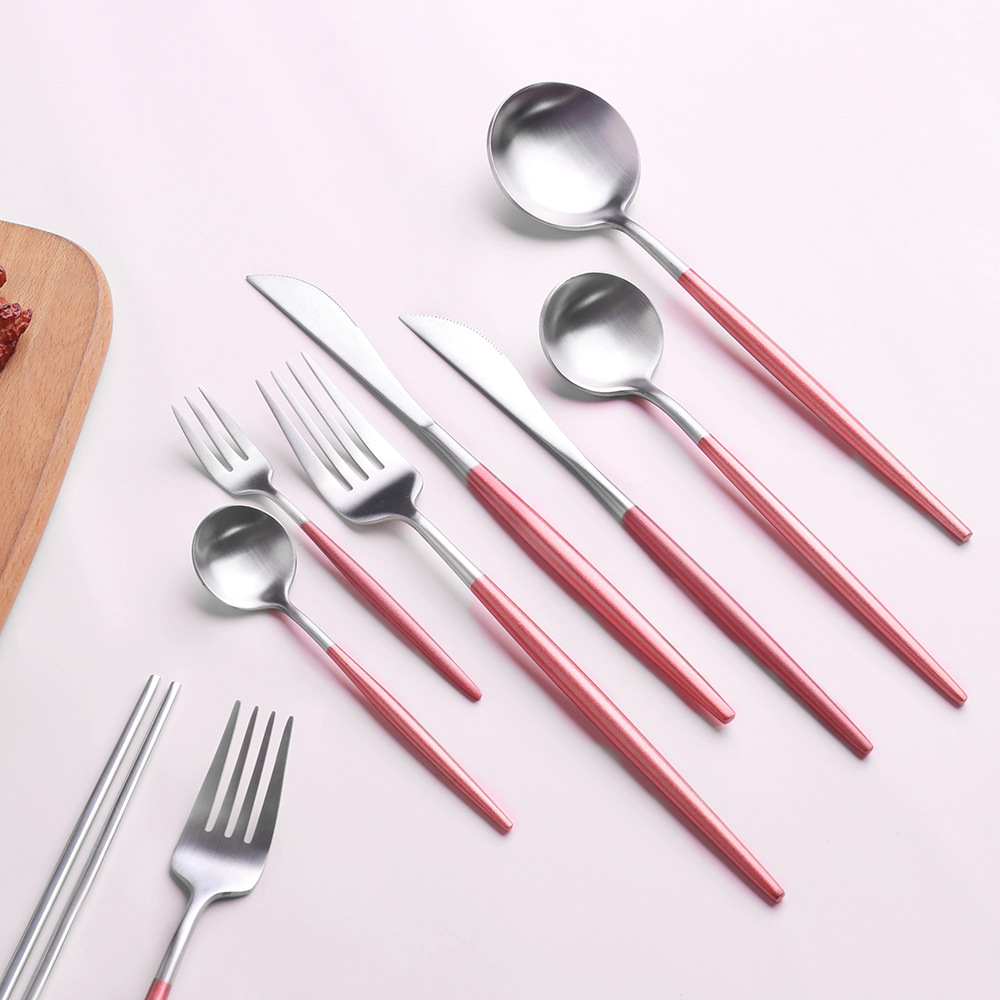
Homefelt high-quality stainless steel products are a perfect example of rust-resistant cutlery that provides long-lasting durability and safety.
1. What Causes Rust on Cutlery?
Rust on cutlery typically occurs when the metal comes into contact with moisture, air, or acidic foods for prolonged periods.
While most modern cutlery, especially high-quality items like shun cutlery premier or smeg cutlery, is resistant to rust, it can still occur if proper care is not taken.
If left untreated, rust can spread, compromising the appearance and safety of your cutlery. The smeg dinner cutlery set, for example,
is designed with a high-grade stainless steel that resists rust under normal conditions, but improper storage can still lead to tarnishing over time.
2. Is It Safe to Eat from Slightly Rusty Cutlery?
In most cases, slightly rusty cutlery isn’t immediately dangerous, but it is not recommended for use. Eating from rusted utensils can lead to discomfort and potential health risks.
Rust can sometimes harbor bacteria and, in some cases, the rusting process can degrade the integrity of the metal, causing it to weaken or become brittle.
While a small amount of rust may not pose an immediate threat, it’s best to avoid using utensils that show signs of corrosion, especially if you notice significant rust patches.
3. How to Remove Rust from Cutlery
If you have rusty cutlery, it’s important to address the issue promptly. There are several ways to remove rust from your utensils:
Method 1: Baking Soda Paste: Mix baking soda and water to form a paste. Apply this mixture to the rusty areas of the cutlery and scrub gently with a soft cloth or sponge.
This method is effective at removing surface rust without damaging the metal.
Method 2: Vinegar Soak: Soak the cutlery in white vinegar for a few hours to break down the rust.
After soaking, use a cloth to wipe away the rust, ensuring that the cutlery is thoroughly dried afterward.
Method 3: Commercial Rust Removers: There are also specialized products available for removing rust from cutlery.
These products are designed to clean stainless steel safely without damaging the finish.
4. Preventing Rust in the Future
To prevent your cutlery from rusting in the future, take steps to keep it dry and clean after each use.
Proper storage is key—make sure to store your shun cutlery premier or smeg dinner cutlery in a dry environment, and avoid leaving utensils soaking in water for long periods.
Regular cleaning and periodic polishing will also help maintain the protective finish on your cutlery, ensuring it remains rust-free.
5. The Benefits of Choosing Rust-Resistant Cutlery
Investing in high-quality, rust-resistant cutlery is one of the best ways to ensure that your utensils stay in excellent condition.
Homefelt offers stainless steel cutlery that is designed to resist rust, offering long-lasting durability and style.
Whether you choose shun cutlery premier or smeg cutlery, selecting high-quality products will ensure your utensils remain safe and hygienic for years.
Conclusion
While eating from slightly rusty cutlery may not always pose an immediate health risk, it’s best to avoid using corroded utensils whenever possible.
Regular cleaning, proper storage, and the use of high-quality, rust-resistant cutlery can prevent rust buildup and help maintain your utensils for years to come.
Homefelt stainless steel cutlery provides a durable, rust-resistant option for those looking to keep their dining experience both safe and stylish.
Is It Worth Selling Silver Cutlery
Is Gold Plated Cutlery Dishwasher Safe
Related Article



