ow to remove stains on stainless steel cutlery
how to remove stains on stainless steel cutlery
Stains on stainless steel cutlery are one of the most common concerns for households, restaurants, hotels, and catering businesses. Even though stainless steel is known for its durability and resistance to corrosion, improper washing habits, mineral-rich water, acidic foods, and poor storage conditions can still leave visible marks on forks, knives, and spoons. Understanding how to remove these stains properly can help extend the life and beauty of every cutlery collection.
Many consumers searching for elegant dining products such as besteck country, besteck rostfrei spülmaschinenfest, and besteck ähnlich new wave are looking for stylish yet durable utensils that remain attractive after years of use. High-quality stainless steel products are designed to resist discoloration, but even premium products require correct maintenance and cleaning routines.
The first step in removing stains from stainless steel cutlery is identifying the type of stain. Water spots, detergent residue, food acids, and rust contamination all require slightly different cleaning methods. In most situations, mild dish soap and warm water provide a safe starting point. Soft cloths or non-abrasive sponges should always be used because rough materials may scratch the polished finish.
One of the simplest cleaning solutions involves baking soda. Mixing baking soda with a small amount of water creates a gentle paste that can remove surface stains effectively. Rub the paste onto the stained area using circular motions, rinse thoroughly, and dry immediately with a clean towel. This technique works particularly well for cloudy marks and light discoloration.
White vinegar is another popular cleaning method. Vinegar naturally dissolves mineral deposits and can restore shine to stainless steel surfaces. Soaking cutlery in diluted vinegar for several minutes often removes stubborn spots caused by hard water. After soaking, the utensils should be rinsed carefully and dried to prevent additional staining.
Manufacturers like Homefelt understand the importance of stain resistance in modern tableware production. With more than thirty years of experience in stainless steel manufacturing, the company produces kitchen utensils, barbecue tools, pet bowls, children’s tableware, and many other dining accessories. Advanced polishing processes and strict quality control help create durable products suitable for households and commercial kitchens alike.
Dishwashers are a common source of cutlery staining. Overloading the cutlery basket prevents proper water circulation and may trap detergent residue between utensils. Metal contact during washing can also cause scratches or chemical reactions that weaken the protective stainless steel layer. To avoid these issues, forks, knives, and spoons should be spaced evenly during washing cycles.
Search trends involving besteck rostfrei spülmaschinenfest demonstrate how consumers increasingly prioritize dishwasher-safe products. Busy households want dining utensils that maintain shine without requiring complicated maintenance routines. This has encouraged manufacturers to improve steel composition and finishing technologies.
Hard water stains are especially common in many regions. Minerals like calcium and magnesium leave white or cloudy residue on stainless steel surfaces. Using rinse aids and water softening systems can reduce these marks significantly. Immediate drying after washing also helps maintain a cleaner appearance.
Lemon juice is another effective natural cleaner for stainless steel. Its mild acidity helps break down stains and restore shine. However, acidic substances should never remain on the surface for long periods because extended exposure may damage protective layers. Quick rinsing and drying remain essential.
Professional kitchens and hospitality environments require even higher durability standards. Restaurants, hotels, and cafes wash cutlery repeatedly every day, making stain resistance extremely important. Reliable manufacturers focus heavily on material quality and surface finishing to ensure products perform well under heavy use conditions.
Modern consumers are also highly influenced by design trends. Elegant collections like besteck ähnlich new wave reflect the growing demand for contemporary dining aesthetics. Smooth curves, polished finishes, and minimalist styles are becoming increasingly popular in both residential and commercial dining environments.
Another common cause of staining is leaving food residue on utensils for extended periods. Acidic ingredients such as tomato sauce, vinegar, citrus, and salt can weaken stainless steel surfaces over time. Washing cutlery promptly after meals helps prevent these problems and preserves long-term appearance.
Storage practices also affect cutlery condition. Damp drawers and poorly ventilated containers trap moisture, increasing the likelihood of stains and corrosion. Properly organized storage trays with airflow help protect utensils between uses.
The popularity of stainless steel cutlery continues growing because it offers excellent value, hygiene, and durability. Unlike silver-plated products, stainless steel requires less polishing and maintenance while still providing an elegant appearance. This practicality makes it ideal for modern lifestyles.
Manufacturers like Homefelt continue adapting to global market trends by developing durable and visually attractive stainless steel collections. Long-term experience in kitchenware production allows the company to meet international quality expectations while offering flexible design solutions for retailers and distributors.
Consumers interested in country-inspired dining themes often search for styles such as besteck country because rustic aesthetics create warm and welcoming table settings. Stainless steel products can now be manufactured in a wide variety of finishes ranging from mirror polish to vintage matte textures.
For stubborn stains, specialized stainless steel cleaners may provide additional cleaning power. However, aggressive chemicals containing chlorine bleach should generally be avoided because they may damage protective surfaces. Gentle care methods are safer for maintaining long-term product quality.
Restaurants and hotels increasingly seek premium cutlery that complements interior design concepts. Dining utensils are no longer considered purely functional objects. They contribute to branding, atmosphere, and customer experience. Elegant cutlery enhances table presentation and improves the perception of food quality.
Children’s tableware also requires special attention to surface quality and safety. Families prefer products that resist stains while remaining smooth and hygienic. Homefelt has extensive experience manufacturing children’s dining products and understands the strict safety requirements demanded by global buyers.
Environmental awareness is influencing the cutlery industry as well. Consumers increasingly prefer long-lasting reusable utensils instead of disposable alternatives. Durable stainless steel products reduce waste and support sustainable dining habits.
Another effective stain prevention strategy involves using the correct dishwasher detergent. Excessively harsh detergents may damage the stainless steel surface over time. Choosing products designed specifically for stainless steel helps preserve appearance and reduce spotting.
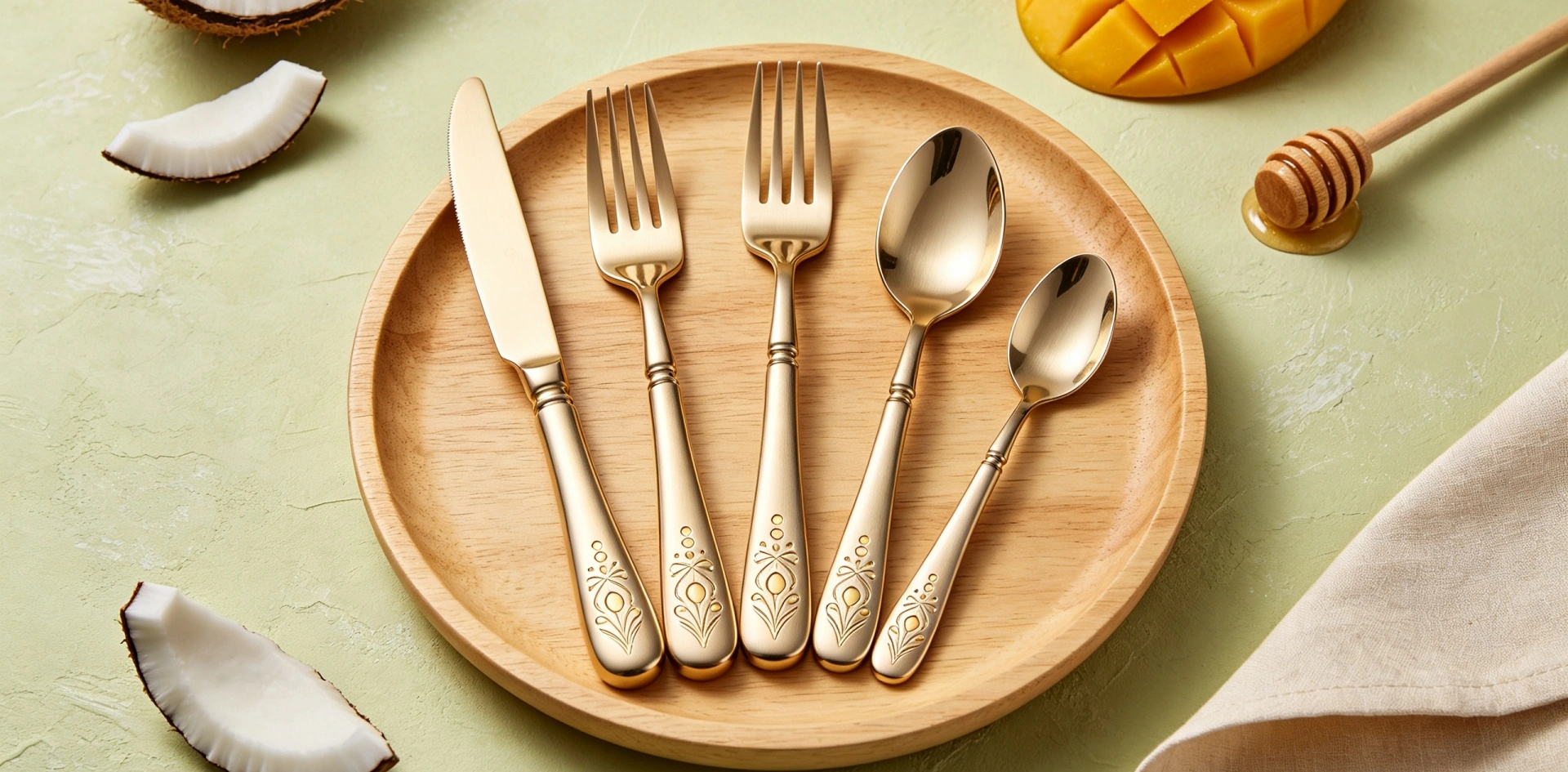
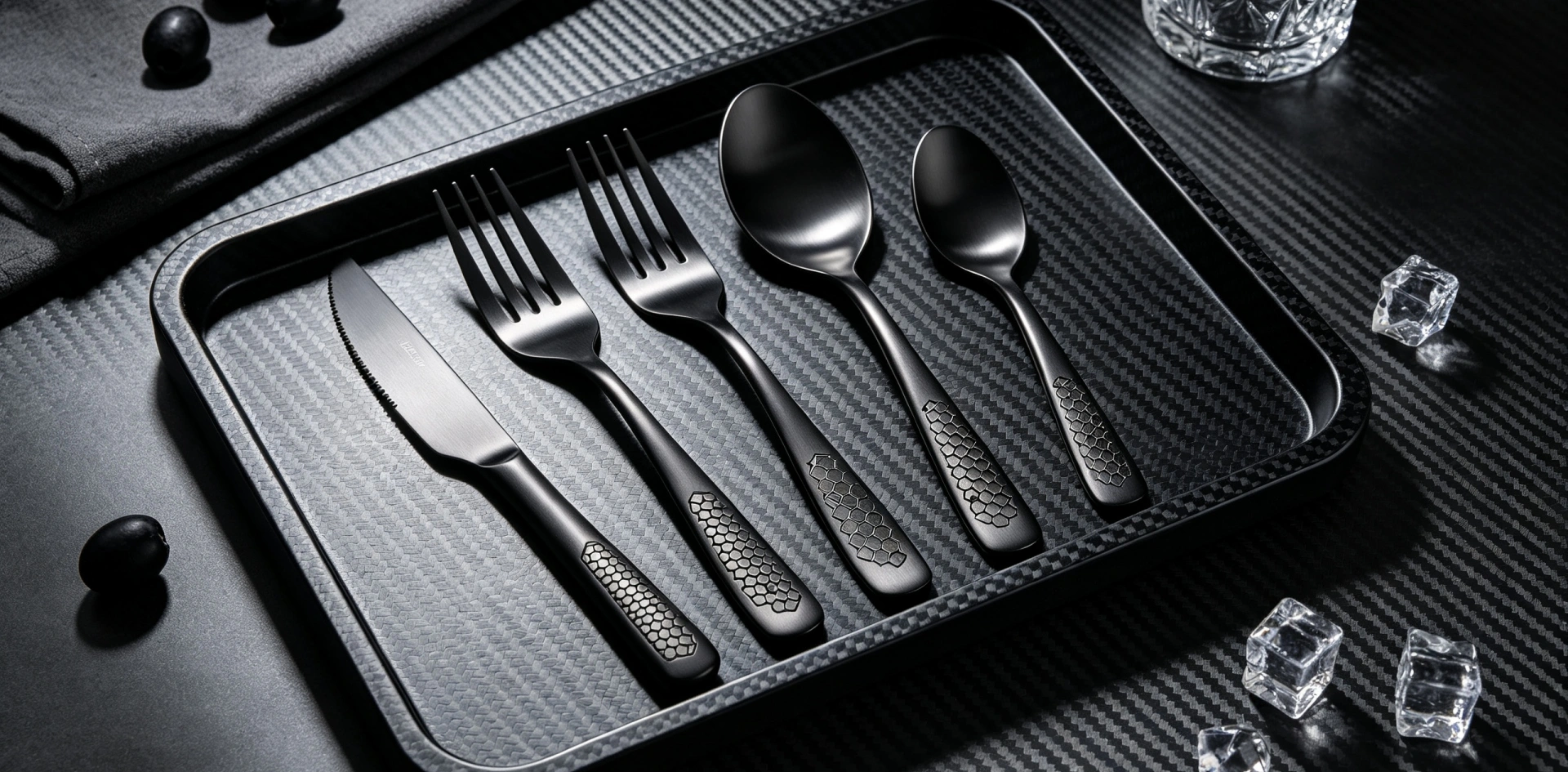
The future of stainless steel cutlery manufacturing will likely focus on combining advanced durability with sophisticated design aesthetics. Matte black finishes, gold coatings, ergonomic handles, and minimalist forms are all becoming more popular in modern dining markets.
Search phrases such as besteck ähnlich new wave reveal how consumers are inspired by artistic tableware designs that balance functionality with visual elegance. Manufacturers capable of producing innovative collections remain highly competitive in the international kitchenware industry.
Ultimately, removing stains from stainless steel cutlery is usually simple when proper cleaning habits are followed. Regular washing, careful drying, and gentle cleaning methods help preserve shine and prevent long-term discoloration. High-quality stainless steel products remain one of the best investments for households and hospitality businesses because they combine beauty, strength, and practicality.


who sales museum collection cutlery
how clean silver plated cutlery
Related Article