
Private Label Stainless Steel Flatware Manufacturing Guide
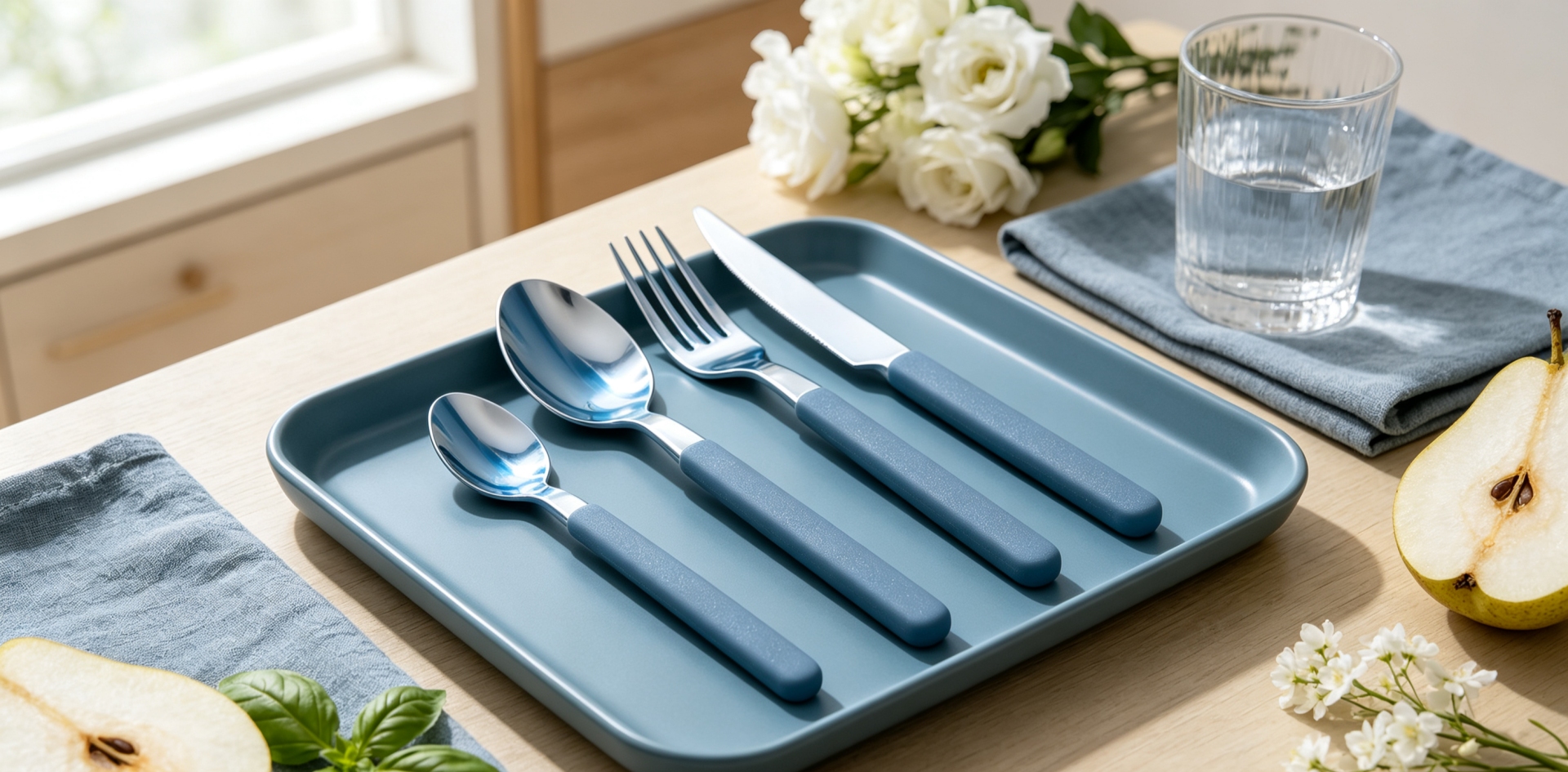
Private Label Stainless Steel Flatware Manufacturing: A B2B Guide
Private label stainless steel flatware gives brands, distributors, retailers and hospitality businesses an opportunity to sell cutlery under their own brand name. Instead of purchasing a completely generic product and adding a label at the end, a private label program can combine product selection, customization, branding, packaging and long-term manufacturing.
For B2B buyers, private label manufacturing can provide greater control over product positioning and customer experience. It can also create a more consistent product range when the manufacturer maintains the approved specifications across repeat orders.
The process requires careful planning because a successful private label flatware project involves more than putting a logo on a fork, spoon or knife. Product design, material, finish, packaging, quality requirements and production quantities all need to work together.
What Is Private Label Stainless Steel Flatware?
Private label stainless steel flatware refers to stainless steel cutlery manufactured for a business and sold under that business's own brand.
The buyer may select an existing design or develop a customized product.
A private label project can include:
-
Stainless steel forks
-
Stainless steel spoons
-
Stainless steel knives
-
Cutlery sets
-
Serving utensils
-
Custom packaging
-
Brand labeling
-
Product customization
The exact scope depends on the buyer's requirements.
Why Choose Private Label Flatware?
Private label products can help businesses establish a recognizable product identity.
Compared with selling completely generic products, a private label collection can give the buyer greater control over:
-
Product appearance
-
Material specification
-
Surface finish
-
Packaging
-
Brand presentation
-
Product positioning
-
Customer experience
For distributors and retailers, private label products can also provide an opportunity to develop an exclusive assortment.
Private Label vs Standard Flatware
Standard flatware is usually selected from an existing product catalog.
Private label flatware can start with an existing product but adds brand-specific requirements.
The difference can range from simple packaging customization to complete product development.
A basic project may only require branded packaging, while a more advanced project can include a custom handle, unique dimensions and dedicated product tooling.
Define the Target Market First
Before selecting the product, the buyer should identify the intended customer.
A collection designed for premium hospitality may require different specifications from one intended for high-volume foodservice.
Retail customers may focus heavily on packaging and visual presentation.
Restaurant buyers may prioritize durability, practical handling and replacement availability.
The target market should influence the product specification from the beginning.
Select the Product Range
A private label program can start with a single product or a complete collection.
A basic collection may include:
-
Table fork
-
Table spoon
-
Table knife
-
Dessert spoon
-
Teaspoon
A larger collection can include serving pieces and specialty utensils.
The initial range should be realistic for the expected sales volume.
Choose the Stainless Steel Material
Material specification is an important part of private label product development.
Depending on the intended market, buyers may consider materials such as 18/10 or 18/0 stainless steel.
The selected material should be clearly documented.
Packaging and product information should also use terminology that accurately reflects the agreed material specification.
Determine Thickness and Weight
Thickness and weight affect the physical feel and product positioning.
A premium collection may require a more substantial profile, while a value-oriented range may focus on material efficiency.
The buyer should establish a target specification before requesting final production samples.
Select the Handle Design
Handle design can become one of the most recognizable elements of a private label collection.
Options can include:
-
Straight handles
-
Tapered handles
-
Rounded profiles
-
Geometric shapes
-
Decorative designs
-
Custom brand-inspired profiles
The handle should coordinate with the fork, spoon and knife so that the complete collection has a consistent appearance.
Select the Surface Finish
Surface finish can influence the visual character of the product.
Common options include polished, satin and brushed finishes.
The selected finish should be reviewed on a physical sample because lighting and photography can change how a surface appears.
Custom Product Development
Private label does not always require a completely original design.
Buyers can choose among three general approaches:
-
Standard product with custom packaging
-
Standard product with branding customization
-
Fully customized product
The best option depends on budget, expected quantity, target market and development timeline.
Branding the Flatware
Branding can be applied to the product or incorporated into the packaging depending on the project.
The buyer should provide accurate brand artwork and specify the intended position and appearance.
Before mass production, the branding should be approved on a physical sample whenever possible.
Custom Packaging
Packaging is often one of the most important elements of a private label program.
Possible packaging formats include:
-
Individual boxes
-
Cutlery sets
-
Gift boxes
-
Retail cartons
-
Sleeves
-
Bulk packaging
The packaging should match the distribution channel and target customer.
Retail Packaging Requirements
Retail brands may require packaging that communicates product information clearly.
The package may include:
-
Brand name
-
Product name
-
Material information
-
Product quantity
-
Care information
-
Barcode
-
Country-of-origin information where applicable
The exact labeling requirements depend on the target market and applicable regulations.
Packaging for Restaurants and Hotels
Commercial buyers may prefer practical bulk packaging instead of retail presentation.
For restaurants and hotels, packaging should protect the products while supporting efficient storage and handling.
Clear carton identification can be useful for large hospitality operations.
Private Label Sample Development
Samples should be reviewed before mass production.
The buyer can evaluate:
-
Product appearance
-
Handle design
-
Weight
-
Dimensions
-
Surface finish
-
Branding
-
Packaging
The approved sample can then become the reference for the production order.
Quality Control for Private Label Products
Private label quality control should cover both the product and brand presentation.
Inspection can include:
-
Material
-
Dimensions
-
Weight
-
Surface finish
-
Shape
-
Logo
-
Packaging
-
Quantity
The quality standard should be agreed before production.
Minimum Order Quantity
Private label production can have different MOQ requirements depending on the level of customization.
Custom tooling and packaging can make small production runs less economical.
Buyers should discuss MOQ during the initial quotation stage.
Cost Factors
Private label flatware pricing depends on several variables.
These may include:
-
Stainless steel material
-
Product weight
-
Thickness
-
Design complexity
-
Tooling
-
Surface finish
-
Branding
-
Packaging
-
Order quantity
-
Shipping requirements
A detailed specification allows the manufacturer to calculate a more relevant quotation.
Lead Time Planning
Private label projects may require more time than standard products.
The development process can include:
-
Product selection
-
Design confirmation
-
Packaging design
-
Sampling
-
Revision
-
Final approval
-
Production
-
Inspection
-
Packaging
-
Shipment
Buyers should plan these stages before setting a retail launch date.
Working With an Experienced Manufacturer
A private label project benefits from a manufacturer that understands both stainless steel production and international B2B requirements.
Homefelt has more than 30 years of stainless steel manufacturing experience and produces stainless steel cutlery together with kitchen and dining products, BBQ tools, pet bowls and children's tableware.
For international B2B customers, Homefelt supports standard and customized stainless steel products.
Private label brands, distributors, retailers, restaurant suppliers and hospitality businesses can discuss product design, material, dimensions, thickness, weight, surface finish, branding, packaging and estimated quantities according to their requirements.
Approved samples and documented specifications can support consistent production for future orders.
Private Label for Restaurant Groups
Restaurant groups can develop branded cutlery collections that support a consistent dining experience across multiple locations.
The specification should be standardized so replacement orders can follow the original design.
For growing restaurant groups, long-term production capability should be considered before selecting a supplier.
Private Label for Hotels
Hotels may use branded or customized flatware for restaurants, banquets and specialty dining areas.
A coordinated collection can support a consistent visual identity.
The supplier should be able to maintain product specifications when additional pieces are required later.
Private Label for Retailers
Retailers can use private label flatware to create an exclusive product assortment.
The collection can be developed around a specific price point and visual identity.
Packaging becomes especially important because it is part of the customer's first impression of the product.
Private Label for Distributors
Distributors can create exclusive collections for their regional markets.
A private label program can help reduce direct product comparison with identical catalog products.
The distributor should establish expected sales volume and replenishment requirements before finalizing the product.
Quality Consistency Across Repeat Orders
Private label programs often depend on repeat production.
Once a product becomes part of the brand's catalog, the buyer may need the same product for years.
The manufacturer should retain:
-
Product drawings
-
Material specifications
-
Dimensions
-
Weight requirements
-
Finish specifications
-
Packaging artwork
-
Approved samples
These records can help maintain consistency.
Protecting the Product Specification
The final product specification should be confirmed in writing before mass production.
This can reduce misunderstandings related to material, dimensions, finish, branding or packaging.
Any later changes should also be documented and approved.
Expanding the Product Collection
A successful private label flatware program can grow over time.
A brand may begin with a basic fork, spoon and knife collection and later add:
-
Serving spoons
-
Serving forks
-
Dessert utensils
-
Specialty pieces
-
Additional finishes
-
Complementary stainless steel products
Maintaining a consistent design language can make the expanded collection feel like one brand family.
What Buyers Should Prepare
Before contacting a private label manufacturer, buyers can prepare:
-
Brand information
-
Target market
-
Product references
-
Desired material
-
Product dimensions
-
Thickness
-
Target weight
-
Surface finish
-
Branding requirements
-
Packaging concept
-
Estimated order quantity
-
Expected annual demand
-
Target launch date
Complete information can help the manufacturer provide a more useful development proposal.
Private Label Manufacturing Process
A practical private label workflow can follow these stages:
-
Define the target market
-
Select the product range
-
Confirm material and dimensions
-
Choose standard or custom designs
-
Develop product samples
-
Approve branding
-
Develop packaging
-
Confirm the final specification
-
Approve the production sample
-
Begin mass production
-
Complete quality inspection
-
Pack and prepare the order
This process connects product development, branding and manufacturing into one purchasing program.
Long-Term Private Label Strategy
Private label manufacturing works best when the product is treated as a long-term brand asset rather than a one-time order.
The buyer should consider future replenishment, product expansion and specification consistency from the beginning.
A reliable manufacturing partner can support the brand as its product range grows.
Conclusion
Private label stainless steel flatware allows businesses to create branded products with greater control over design, material, finish, packaging and market positioning.
The project can be relatively simple, such as selecting a standard product with customized packaging, or highly customized, involving new handle designs, dedicated tooling and complete product development.
For B2B buyers, the most important steps are defining the target market, establishing clear specifications, approving physical samples and selecting a manufacturer capable of maintaining consistent quality across repeat orders.
Homefelt has more than 30 years of stainless steel manufacturing experience and works with international B2B customers on standard and customized stainless steel products.
With clear planning and a reliable production process, private label brands, retailers, distributors, restaurants and hospitality businesses can develop stainless steel flatware collections that support their brand identity and long-term commercial goals.
You May Be Interested In
Custom Stainless Steel Flatware: From Product Concept to Mass Production
Wholesale Stainless Steel Flatware Supplier: B2B Buying Guide
18/10 vs 18/0 Stainless Steel Flatware: A B2B Buying Guide
How Stainless Steel Flatware Is Made: A Complete Manufacturing Process Guide
Stainless Steel Cutlery Quality Control and Inspection Guide
Stainless Steel Cutlery Handle Design: A Practical Guide for B2B Buyers


Stainless Steel Flatware Finishes: Polished, Satin and Brushed Guide
Custom Stainless Steel Flatware: Design and Manufacturing Guide
Related Article



