
Quality Testing Standards for Kids Stainless Steel Cutlery
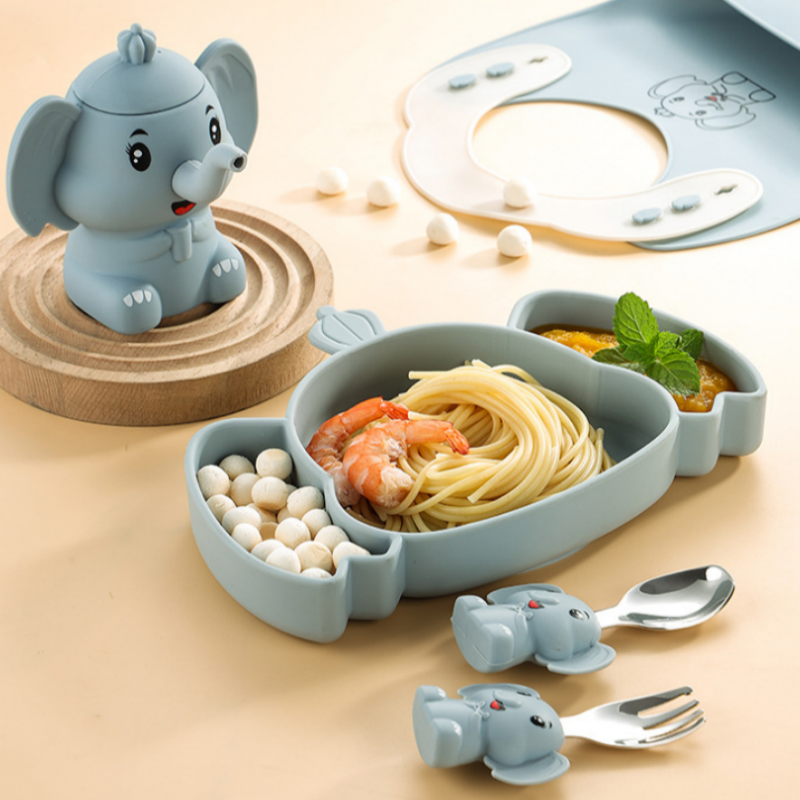
Kids cutlery requires stricter quality control than adult products. The main reason is simple: safety expectations are higher, and tolerance for defects is lower.
Quality testing typically includes several key areas:
First is edge safety. All forks, spoons, and knives must have rounded edges to prevent injury. Even small burrs or sharp points are unacceptable in children’s products.
Second is surface inspection. The cutlery must be smooth, with no scratches, pits, or polishing marks that could affect safety or hygiene.
Third is material verification. Stainless steel grade must be confirmed to ensure food-contact safety, especially for EU and US markets.
Fourth is durability testing. Kids cutlery must withstand bending, dropping, and repeated washing without deformation.
From a factory perspective, consistent QC is more important than individual sample perfection. Mass production must match approved samples across all batches.
For brands, strong QC reduces risk of complaints and protects reputation in sensitive markets like baby products.
Quality in kids stainless steel cutlery is not optional—it is the foundation of trust.


Future Trends in EU and US Stainless Steel Cutlery Markets
How Surface Scratches Affect Customer Perception of Stainless Steel Cutlery



