
Real manufacturing process builds trust
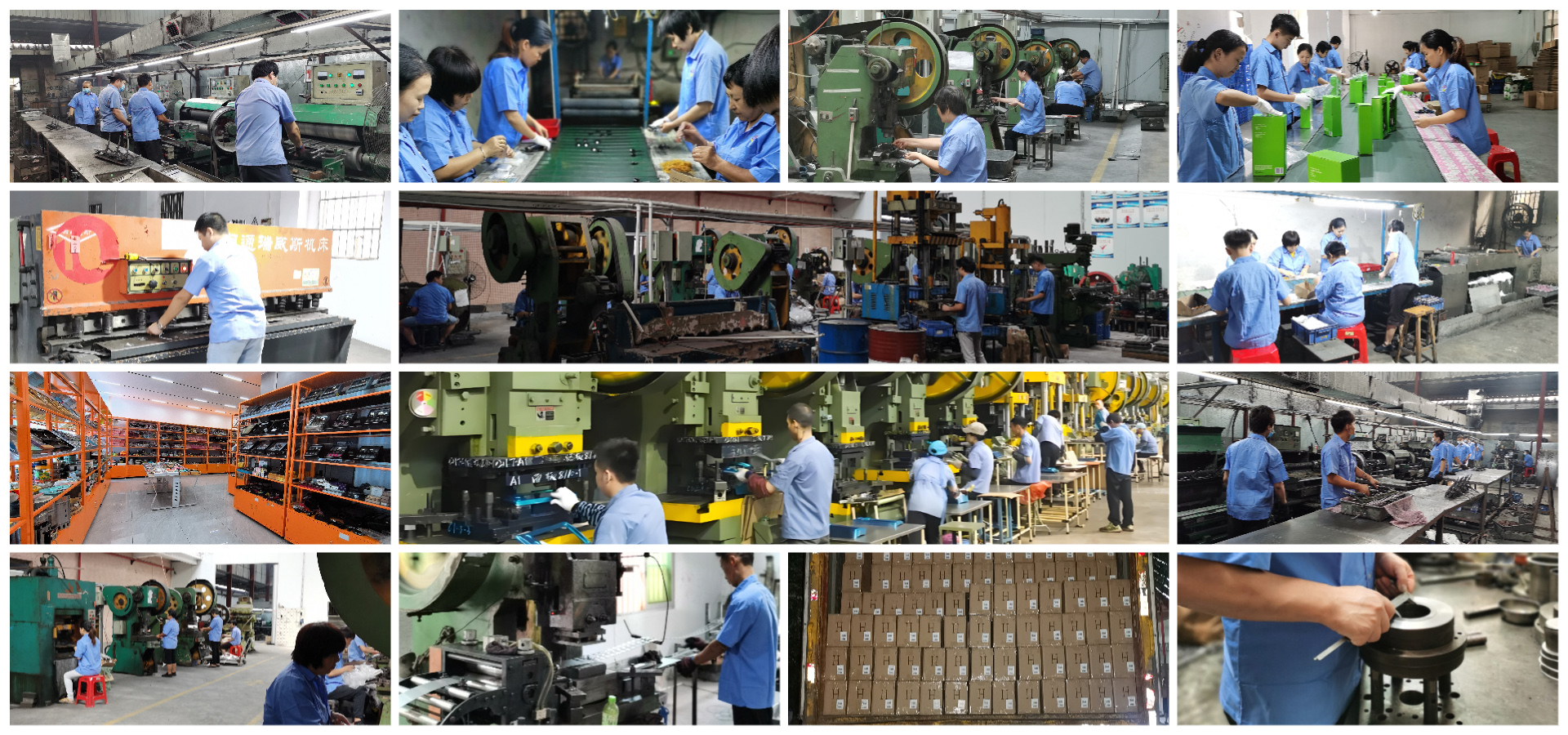
Most buyers see stainless steel cutlery only as a finished product. But in reality, quality is determined long before it reaches packaging. Understanding how a production line works helps brands evaluate suppliers more accurately and avoid costly mistakes.
A standard stainless steel cutlery production process starts with raw material selection. The steel grade must be confirmed first—commonly 304 or 430 depending on market positioning. This step is critical because material inconsistency cannot be fixed later in production.
Next comes stamping or forging. The shape of forks, spoons, and knives is formed under high pressure. At this stage, precision matters. Even a small deviation in mold alignment can affect symmetry and user comfort.
After forming, pieces go through trimming and edge refinement. This is where safety is controlled. Poor edge finishing can create sharp points or uneven surfaces, especially in kids cutlery.
Polishing is another important stage. Depending on the product line, cutlery may go through mirror polishing, satin finishing, or brushed treatment. This step directly affects both appearance and hygiene performance.
Finally, quality inspection is carried out. This includes checking surface defects, weight consistency, and structural integrity. For OEM orders, consistency across batches is more important than a single perfect sample.
From a buyer’s perspective, understanding this process helps evaluate whether a factory is capable of stable mass production. A good stainless steel cutlery supplier is not defined by one sample—it is defined by repeatability across thousands of units.


How Stainless Steel Thickness Impacts Cutlery Performance and Market Positioning
Foldable Stainless Steel Cutlery: Perfect for Office Workers & Students



