
Redefining Mealtime for Little Ones
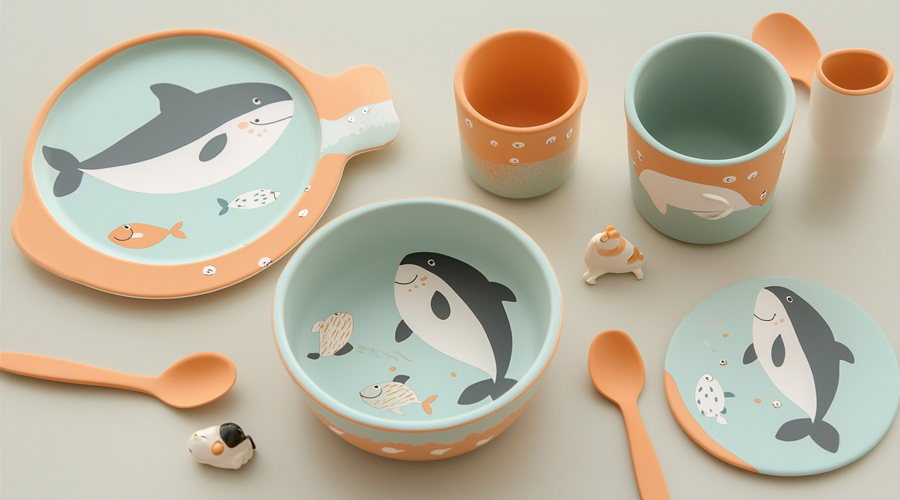
As more parents embrace mindful and independent feeding for their children, the demand for specialized baby dining tools has surged. Central to this shift are three key product categories: baby silverware, baby utensil set, and infant cutlery. These aren’t just miniature versions of adult flatware—they’re purpose-built for safety, ergonomics, and child development.
Baby silverware refers to small, safe, and thoughtfully designed spoons and forks tailored to infants and toddlers. Unlike traditional flatware, baby silverware features rounded edges, shorter handles, and often comes with fun colors or animal-themed designs that capture a child’s attention. The importance of baby silverware lies not just in its size but in its role in early feeding skills. Pediatricians and child development experts widely support the use of such tools to encourage motor skill development, hand-eye coordination, and self-feeding confidence.
Baby utensil sets typically bundle spoons, forks, and sometimes knives that are age-appropriate and often come with a travel case or silicone mat. These sets make feeding more organized, whether at home or on the go. Some premium brands even offer customizable kits with the child’s name engraved, making them ideal baby shower gifts. Parents love these sets not only for their aesthetics but also for their durability and dishwasher-safe materials, which include BPA-free plastics, food-grade silicone, or stainless steel.
Infant cutlery specifically targets babies from 6 months to around 12 months of age. These utensils are often smaller than toddler versions, softer in material, and designed to protect sensitive gums and emerging teeth. Some infant cutlery includes safety guards that prevent children from inserting utensils too deeply, while others have learning aids like easy-grip handles or temperature-sensitive coatings that change color if food is too hot.
These three categories—baby silverware, baby utensil set, and infant cutlery—collectively serve as the cornerstone of modern feeding routines. Unlike a decade ago, when most parents relied on generic plastic spoons, today’s options are designed with science and user feedback in mind. Brands conduct rigorous safety tests, consult pediatric nutritionists, and innovate continuously to meet growing expectations.
Retail trends reflect this shift. Online platforms like Amazon, BuyBuy Baby, and Walmart have entire subcategories dedicated to baby feeding tools. Reviews frequently mention how baby silverware has helped their child transition from bottle to bowl, how a baby utensil set becomes a daily essential, or how infant cutlery provides peace of mind to first-time parents.
Manufacturers are also embracing sustainability. Many baby utensil sets are now made from recycled materials or biodegradable bioplastics. Silicone, bamboo, and stainless steel are leading the charge as eco-friendly, baby-safe materials. Moreover, reusable travel pouches and packaging made from recycled paper align with the values of today’s environmentally conscious families.
Experts note that good infant feeding tools are more than a convenience—they’re a developmental necessity. The correct shape and texture can influence feeding success, reduce mealtime stress, and lay the foundation for healthy eating habits.
In conclusion, the boom in baby silverware, baby utensil set, and infant cutlery is more than a trend—it’s a parenting evolution. With a growing focus on early self-feeding, safety, and sustainability, these utensils are transforming mealtime into a safe, empowering, and joyful experience for both children and caregivers.
Exploring Baby Cutlery for the Modern Family
Modern Baby Utensils
Related Article



