Silk Screen Printing vs. Heat Transfer Printing Understanding the Key Differences
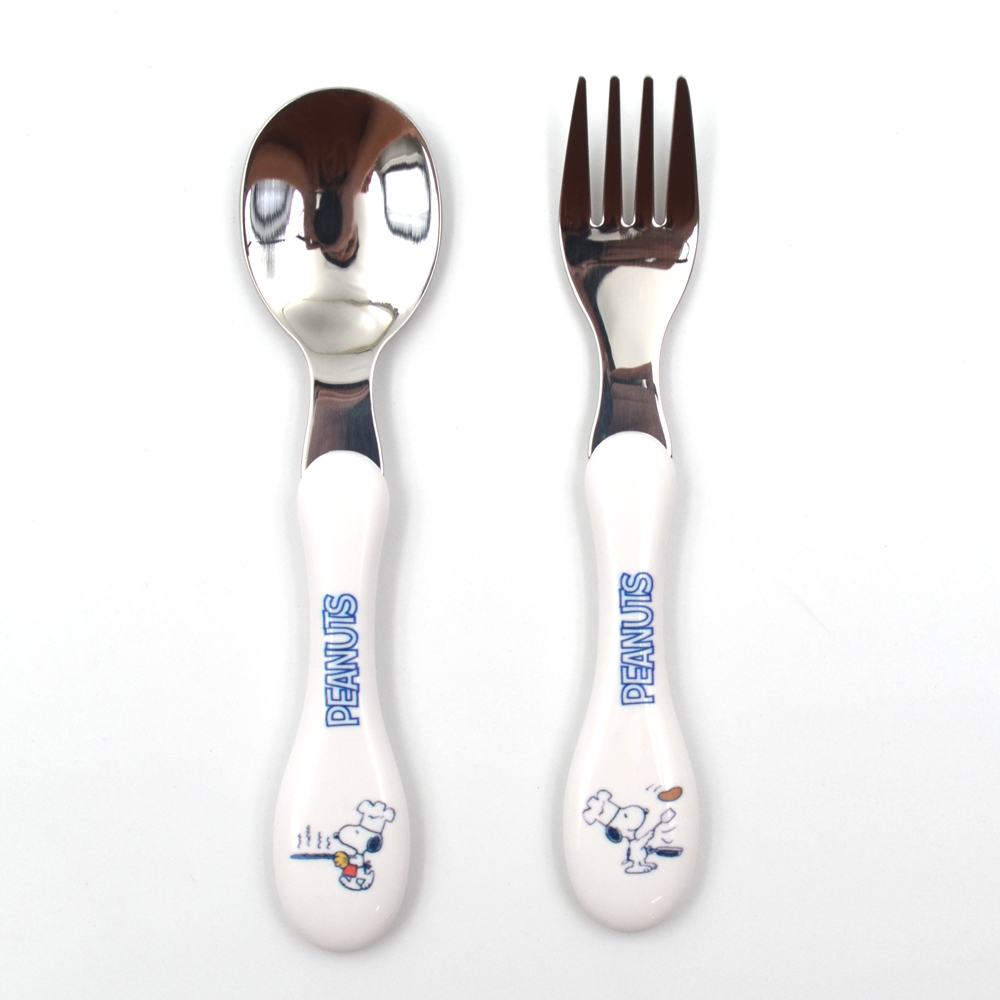
As consumer demand for customized, high-quality printed products grows, manufacturers are continuously seeking the most suitable printing solutions for different applications. Two popular printing methods, silk screen printing and heat transfer printing, each offer unique advantages and characteristics. Understanding their differences is crucial for businesses looking to achieve the best results in both aesthetics and functionality.
Printing Principles
Silk screen printing operates on the principle of using a mesh screen to transfer ink onto a substrate. The mesh has areas that are impermeable to ink (the non-image areas) and open areas (the image areas), allowing ink to pass through only where needed. During the printing process, a squeegee moves across the screen, pressing the ink through the mesh openings and onto the material below.
In contrast, heat transfer printing involves pre-printing the design onto a special film using dot printing techniques. The printed film is then transferred onto the product surface through a combination of heat and pressure. The ink layer becomes integrated with the substrate, resulting in a smooth and vivid final finish.
Versatility
Silk screen printing is widely known for its remarkable versatility. It can be used on flat, curved, spherical, and even irregular surfaces, and it is not limited by the type of substrate material. This makes it a popular choice for a diverse range of products and applications.
Heat transfer printing, on the other hand, is commonly used on surfaces such as ABS, PP, plastic, wood, and coated metals. It is particularly popular in industries like plastics, cosmetics, toys, electronics, building materials, gifts, food packaging, and stationery.
Printing Effects
In terms of visual performance, silk screen printing delivers stable and reliable results. However, it may struggle with extremely intricate designs or very fine details due to limitations in screen mesh precision.
Heat transfer printing excels in producing rich gradients, vibrant colors, minimal color deviation, and high image reproduction accuracy. It is ideal for achieving designer-level graphics and is well-suited for large-scale production runs where consistent quality is crucial.
Cost and Technical Complexity
Silk screen printing is a well-established, mature technology. It generally involves lower material costs and is relatively simple to implement. However, printing complex, multi-color designs may require multiple passes and precise registration, increasing labor time.
On the other hand, heat transfer printing involves more advanced technology and often depends on imported materials, leading to higher costs. Despite this, it offers high printing efficiency and is optimized for mass production, which can offset initial expenses over large volumes.
Conclusion
The choice between silk screen printing and heat transfer printing depends on several factors, including the type of product, production volume, desired visual effects, and cost considerations. Each method has its distinct advantages, and selecting the right technique ensures products that meet both aesthetic standards and functional requirements.
Understanding the Differences Laser Etched Debossed and Embossed Logos Which One Fits Your Brand
Stainless Steel Camping Cutlery Set – The Ultimate Portable Solution for Outdoor Dining