
Stainless Steel Cutlery Capacity Planning for Growing B2B Brands
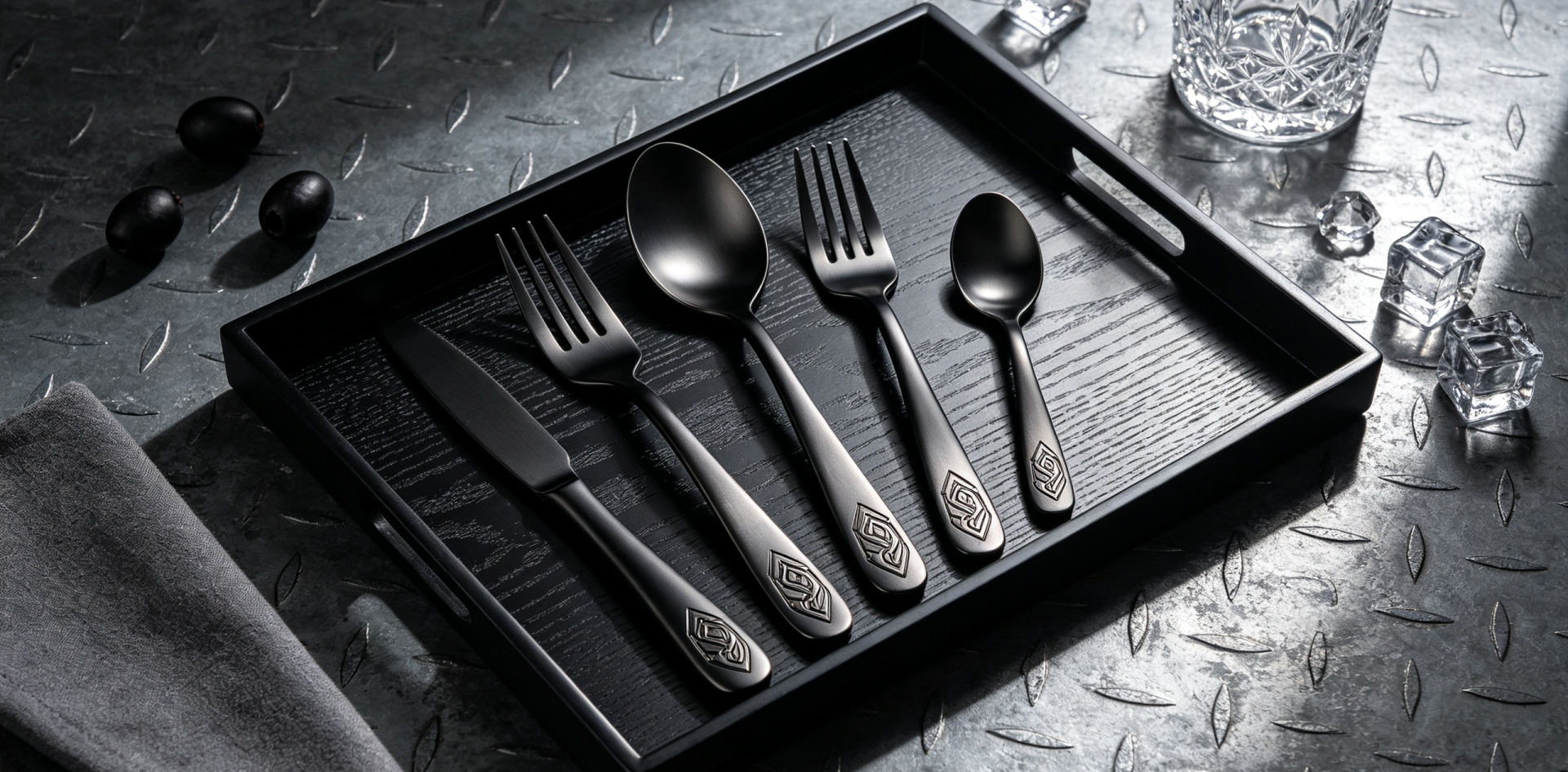
Stainless Steel Cutlery Capacity Planning for Growing B2B Brands
A stainless steel cutlery project can start with a relatively small order and gradually become a much larger business program. A brand may begin with a few knives, forks and spoons, while a successful product range can later require significantly larger production volumes.
For B2B buyers, this creates an important question: can the stainless steel cutlery factory continue supporting the business as demand grows?
Capacity planning is one part of the answer. It involves understanding available manufacturing resources, production requirements and the factory's ability to support increasing demand while continuing to manufacture stainless steel cutlery according to the customer's specifications.
For wholesalers, distributors, retailers and private label brands, this can be an important consideration when selecting a long-term manufacturing partner.
What Does Capacity Mean for a Stainless Steel Cutlery Factory?
Factory capacity is not simply the maximum number of spoons, forks or knives that can be produced.
A professional stainless steel cutlery factory may manufacture many different products for different customers. Available resources need to be coordinated across product types, customized designs and production requirements.
Capacity can therefore involve manufacturing equipment, production teams, processing capability, supporting facilities and the factory's ability to organize different projects.
For a B2B buyer, the useful question is not only how many pieces a factory can theoretically produce, but whether the manufacturer can support the customer's actual product program as it develops.
Why Growing Brands Need Scalable Cutlery Production
A new brand may not know exactly how much stainless steel flatware it will sell in the future.
An initial order can be used to introduce the product to the market. If the product performs well, the customer may expand distribution, add new sales channels or develop additional cutlery pieces.
The manufacturing requirements can therefore change over time.
A supplier that can support only one specific production scale may become less suitable when the customer's business expands.
By contrast, a manufacturer with experience in B2B stainless steel cutlery can discuss changing production requirements as the customer develops.
This is particularly relevant for private label brands that plan to build a complete collection of stainless steel knives, forks and spoons.
From Initial Production to Larger B2B Programs
The transition from an initial order to a larger program does not necessarily happen immediately.
A customer may first develop one stainless steel cutlery set, confirm the market response and then introduce additional products. Over time, the number of products and required quantities may increase.
During this process, the factory needs to understand how the customer's product range is developing.
The production solution for a small initial project may not be identical to the solution needed for a larger program. As volume grows, manufacturing resources and project organization can be adjusted according to the customer's requirements.
This is why early communication about potential growth can be useful even when the first order is relatively small.
Capacity Planning for OEM and ODM Cutlery
OEM and ODM projects can require additional coordination because the factory is manufacturing according to customer-specific requirements.
A standard stainless steel spoon and a customized spoon may not use exactly the same production setup. The same applies to customized forks, knives and complete cutlery collections.
When a customer expects future growth, the manufacturer can take the longer-term product direction into consideration during development.
For example, a brand may initially require three pieces but expect to introduce six or more matching products later. Discussing this direction early can help both sides understand the potential manufacturing requirements.
The objective is not to produce everything at once. It is to establish a practical foundation for future cooperation.
Supporting Private Label Growth
Private label brands often develop gradually.
A company may begin with a small stainless steel flatware collection and later add different pieces according to market demand. It may also expand into additional price levels or introduce new collections under the same brand.
A stainless steel cutlery manufacturer that understands the customer's overall direction can support these changes more effectively.
Homefelt factory works with customers on stainless steel knives, forks, spoons and complete cutlery sets, providing OEM, ODM and private label manufacturing for B2B projects.
We can discuss product requirements at different stages of a customer's development and provide customized manufacturing support according to the project.
Capacity Is About More Than Equipment
Manufacturing equipment is important, but production capacity also depends on how the factory organizes its resources.
A factory may have suitable equipment but still need effective coordination when handling multiple customer projects.
For stainless steel cutlery, different products can require different manufacturing processes. A large order containing knives, forks and spoons may therefore involve several production stages.
An experienced manufacturer needs to coordinate these resources according to the actual project requirements.
This is one reason B2B buyers should consider the overall manufacturing system rather than evaluating a factory only by a single production number.
How Buyers Can Discuss Future Production Requirements
When contacting a stainless steel cutlery factory, buyers can provide information about both current and potential future requirements.
Useful information may include the initial order quantity, estimated annual demand, product range, target market and plans for future product development.
The factory can then better understand whether the project is likely to remain a single-product order or develop into a larger product program.
This information can also help the customer and manufacturer discuss suitable production arrangements without making assumptions about future demand.
For a growing brand, transparent communication can make it easier to adjust the manufacturing relationship as the business changes.
One Factory for a Growing Cutlery Program
Working with one experienced manufacturer can provide continuity when a product range expands.
Instead of finding a different supplier for every new stainless steel knife, fork or spoon, a B2B customer can discuss additional products with an existing manufacturing partner.
This can be useful when the products need to maintain a coordinated concept or when the brand wants to develop a consistent collection.
Homefelt provides one-stop stainless steel cutlery services for B2B customers. Depending on the customer's requirements, our service can include product design, customization, manufacturing, packaging, transportation and other related support.
We can develop a dedicated service package according to the customer's situation rather than applying the same solution to every business.
For customers who are building their stainless steel cutlery business step by step, this approach allows the cooperation to develop together with the customer.
Planning for Long-Term Cooperation
Capacity planning should not be viewed only as a factory issue.
It is also part of the relationship between a manufacturer and its B2B customers.
A customer needs to know that the factory understands its current requirements and can discuss future development when the business grows. At the same time, the manufacturer needs enough information to understand how the customer's product program may change.
Open communication makes this process easier.
For example, a customer preparing for a new market launch may share its expected product range and estimated demand with the factory. The manufacturer can then discuss the practical production requirements and possible future development.
The actual solution will depend on the products, quantities and project requirements.
Choosing a Stainless Steel Cutlery Factory for Business Growth
For B2B buyers, choosing a stainless steel cutlery supplier is often a long-term decision.
Price and product quality are important, but manufacturing capability and the ability to support changing requirements can also influence the relationship.
A wholesaler may need larger quantities as its customer base expands. A distributor may add more stainless steel cutlery styles. A private label brand may introduce a complete collection.
In each case, the manufacturing relationship needs to develop alongside the business.
Homefelt factory has focused on stainless steel cutlery manufacturing for many years, serving B2B customers with stainless steel knives, forks, spoons and cutlery sets.
Our experience in OEM, ODM and private label projects allows us to work with customers at different stages of product development.
The goal is to establish long-term cooperation in which the factory can continue supporting customers as their product requirements and business scale develop.
Stainless Steel Cutlery Market Feedback for B2B Product Development
Stainless Steel Cutlery Lifecycle Planning for B2B Brands
Related Article



