How Distributors Can Build Customer Retention Programs for Stainless Steel Cutlery
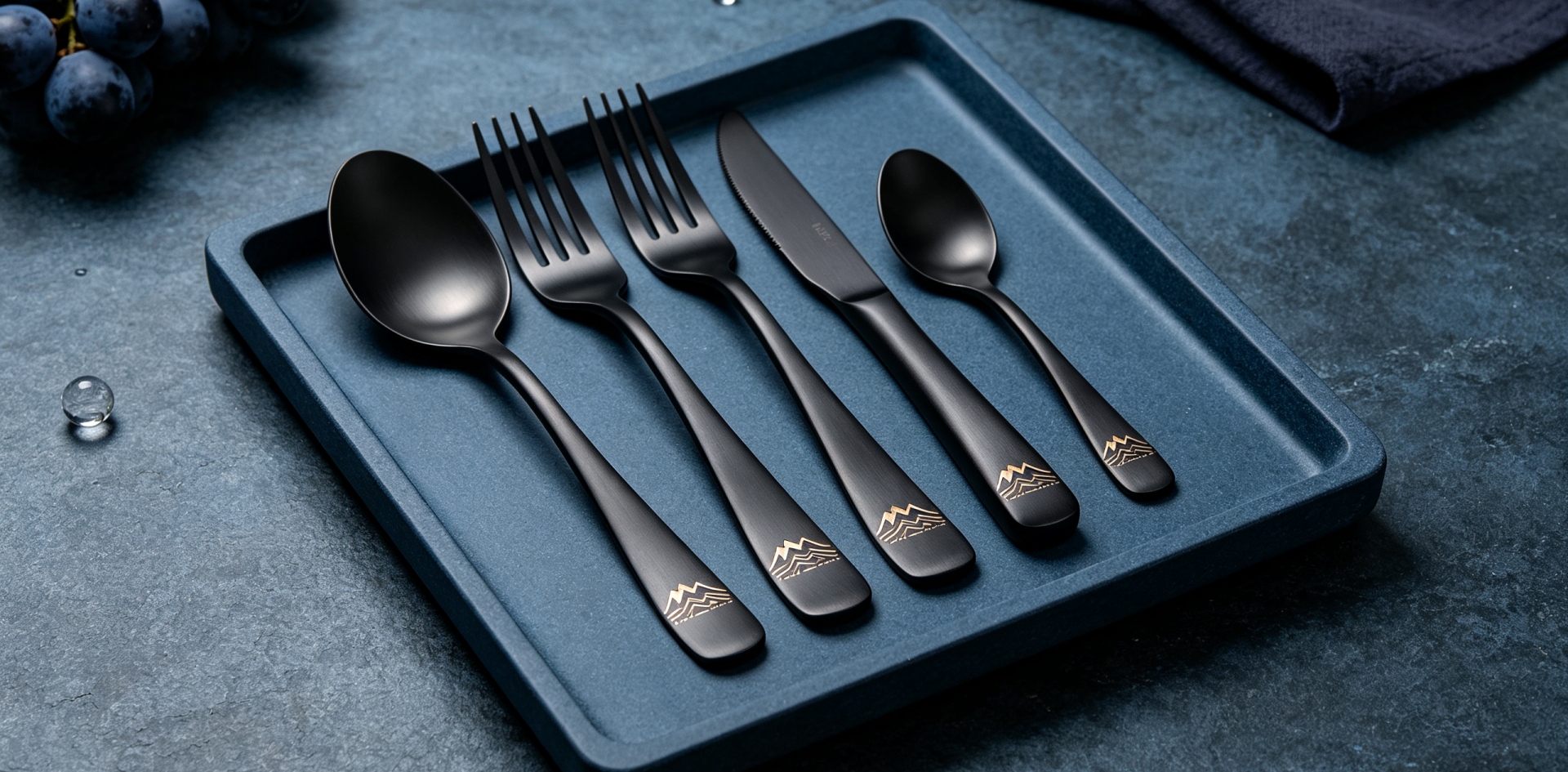
How Distributors Can Build Customer Retention Programs for Stainless Steel Cutlery
For stainless steel cutlery distributors, winning a new customer is only the beginning of a long-term business relationship. Sustainable growth often depends on whether retailers, wholesalers, hospitality suppliers, and other business customers return for replenishment orders. A customer retention program helps distributors understand buying patterns, maintain suitable stock, and provide consistent product support after the first shipment.
The products themselves play an important role. Spoons, forks, knives, and complete flatware sets need to match the specifications customers approved, while packaging, item identification, and reorder communication should remain dependable. By connecting customer service with factory coordination, distributors can make repeat purchasing easier and reduce avoidable uncertainty.
Segment Customers by Their Purchasing Needs
Not every customer requires the same retention approach. A retailer may order smaller quantities across several designs, while a regional wholesaler may prioritize price consistency and replenishment capacity. A hospitality supplier may need dependable specifications across repeat orders and a clear process for adding products to an existing range.
Start by grouping customers according to their sales channel, typical order size, product mix, purchasing frequency, and service expectations. This does not need to be a complicated system. Even a basic customer record can help a sales team distinguish between accounts that need frequent product updates and those that mainly require accurate reorder information.
For example, a distributor supplying homeware shops might provide seasonal assortment suggestions, while a buyer serving commercial kitchens may value practical product specifications and clear availability updates. Retention improves when the service matches the customer's business rather than relying on identical follow-up messages for every account.
Make Repeat Orders Simple
One common obstacle to repeat purchasing is the effort required to identify the correct product again. A customer may remember the appearance of a stainless steel spoon but not its item code, material grade, thickness, or packaging configuration.
Distributors can simplify reordering by maintaining a clear product record for every approved SKU. Useful information includes product codes, reference images, dimensions, finish, set contents, carton quantity, and the customer's previous order details.
A reorder form or concise product list can allow customers to confirm quantities without rebuilding the entire specification each time. For customized cutlery, retain the approved logo artwork and packaging version so that repeat orders use the correct references.
If a product has changed or is no longer available, communicate the difference before accepting the order. Offering a visually similar alternative without explaining specification changes can undermine trust, particularly when customers need to match existing stock.
Protect Product Consistency Across Orders
Customer retention depends partly on whether repeat shipments meet the expectations established by the first order. Differences in spoon dimensions, fork alignment, knife appearance, polishing, logo position, or packaging can create problems for distributors who sell products as a coordinated collection.
Buyers should maintain an approved specification and reference sample where appropriate. The document should identify the relevant material, dimensions, finish, tolerances, branding, and packaging details. If any requirement changes, the revised version should be confirmed before the next production run.
When working with a stainless steel cutlery factory, distributors should communicate customer feedback in specific terms. Instead of reporting that a batch “looks different,” identify the SKU, the observed difference, and the approved reference. Photographs and measurements can help the factory assess the issue more efficiently.
Homefelt supports B2B projects involving stainless steel spoons, forks, knives, and flatware sets, including OEM, ODM, and private-label requirements. Clear product references help both parties maintain alignment as customers expand their orders.
Use Replenishment Reminders Responsibly
A well-timed reminder can help customers reorder before stock runs too low. However, reminders should be based on useful information rather than an arbitrary schedule.
Review each customer's typical order interval, sales channel, recent order size, and current stock information when available. A fast-moving retail SKU may require more frequent review than a specialized product ordered for occasional projects.
Distributors should avoid treating past purchasing intervals as guarantees of future demand. A customer's inventory, sales performance, and budget can change. A practical reminder asks whether replenishment is needed and provides the relevant item details, current quotation validity, and expected lead time.
For larger orders, discuss upcoming requirements early enough to account for production and shipping. Confirm the actual schedule with the factory instead of assuming that every repeat order can be completed within the previous lead time.
Provide Useful Product and Market Information
Retention is stronger when customers receive information that helps them make better purchasing decisions. This may include updated product photographs, dimensional specifications, new set combinations, packaging options, or details about available customization.
Information should be relevant to the customer's assortment. A buyer focused on individual stainless steel spoons may not need a full catalog of unrelated designs, while a retailer developing a coordinated flatware collection may appreciate compatible forks, knives, and serving pieces.
Distributors can also share practical product guidance, such as how to compare cutlery thickness, assess handle comfort, or choose packaging for different retail channels. Statements about material properties and testing should be accurate and supported by applicable documentation.
The aim is not to send more messages, but to make each contact useful enough that customers see the distributor as a reliable source of product information.
Establish a Clear Process for Feedback
Customer feedback should lead to action. If a retailer reports repeated questions about a spoon's size, the distributor may need clearer product descriptions. If several buyers request a different handle style, the sales team can assess whether the change represents a broader market opportunity.
A simple feedback record can include the customer, product code, issue or suggestion, date received, responsible person, and agreed next step. Categorize comments into areas such as product design, finish, packaging, delivery, documentation, or commercial terms.
Not every suggestion needs to become a new product. Review the frequency of the request, potential demand, production implications, and effect on the existing assortment before committing to changes.
When customization is justified, involve the factory early. Revised designs, logos, packaging, and product specifications may affect samples, costs, minimum quantities, and production schedules.
Build a Service Standard for Key Accounts
For important customers, a consistent service standard can reduce uncertainty. It might define response expectations, quotation details, order confirmation steps, shipment updates, and the method used to handle product questions.
The standard should be realistic and supported by the distributor's actual resources. Promising immediate answers or fixed delivery dates without confirming factory information can create expectations that are difficult to maintain.
A dependable process is often more valuable than an ambitious promise. Customers should know who handles their account, which information is needed to obtain a quotation, and how they will be notified if a product or schedule changes.
For distributors sourcing from Homefelt, discussing product specifications, customization needs, packaging, and transportation requirements early can help establish a smoother workflow for future orders.
Measure Retention With Meaningful Indicators
Customer retention should be reviewed through more than total sales. Distributors can monitor the percentage of active customers who place repeat orders, time between purchases, reorder value, changes in average order size, and the number of customers who stop buying.
These figures need context. A customer who orders seasonally may appear inactive for several months without being lost. Likewise, a larger order from one account can raise total revenue while the broader customer base becomes less active.
Review the data alongside customer feedback and stock availability. If repeat orders decline, investigate whether the cause is price, product performance, stockouts, changing market demand, or an unclear reorder process before deciding on a response.
Create Long-Term Value Through Consistent Cooperation
A retention program works best when it combines practical service with dependable products. Accurate SKU records, consistent specifications, timely replenishment discussions, and clear communication can make it easier for customers to continue purchasing from the same distributor.
Homefelt works with importers, wholesalers, distributors, and private-label buyers seeking stainless steel cutlery solutions. With product customization, coordinated packaging, and transportation support, the factory can help B2B customers plan assortments that fit their sales channels and ongoing requirements.
If you are building a repeat-order program for stainless steel spoons, forks, knives, or complete flatware sets, contact ingrid@homefelt.net with your target market, product range, estimated quantities, and customization requirements to discuss a suitable supply plan.
You May Be Interested In
How to Assess Customer Credit Terms for Stainless Steel Cutlery B2B Orders
How Importers Can Streamline Internal Product Approval for Stainless Steel Cutlery
Related Article