How to Localize Stainless Steel Cutlery Product Content for Export Markets
How to Localize Stainless Steel Cutlery Product Content for Export Markets
For stainless steel cutlery manufacturers and international distributors, entering a new market involves more than translating a product catalog. Buyers in different countries may use different terms for spoons, forks, knives, and flatware sets. They may also expect different measurement units, product descriptions, packaging information, and technical documentation.
Well-planned content localization helps importers, wholesalers, and retail buyers understand what a product includes and whether it fits their requirements. It also reduces confusion during quotation, sample approval, and bulk ordering. The goal is to present accurate product information in language and formats that local customers can readily understand.
1. Research the Terms Used by Local Buyers
Product terminology varies across markets and sales channels. Some buyers search for “flatware,” while others more commonly use “cutlery” or specific terms for individual utensils. German-speaking buyers may use “Besteck,” “Löffel,” “Gabel,” and “Messer,” depending on the product and context.
Do not translate every term literally and assume it will sound natural. Review the language used by local distributors, retailers, purchasing teams, and industry catalogs. Pay attention to whether buyers distinguish dinner spoons from teaspoons, table forks from serving forks, or individual pieces from complete sets.
A product glossary can help sales and marketing teams use terminology consistently. It should include the approved product name, local-language equivalent, model reference, and any notes about differences in meaning between markets.
Keep the official product model or SKU unchanged even when the display name is translated. This allows buyers to discuss a product in their preferred language while retaining a stable reference for quotations and purchase orders.
2. Keep Technical Specifications Consistent
Localization should make information easier to understand without changing the underlying product facts. Material grades, dimensions, thickness, weight, finish, and set composition must remain consistent with the approved specification.
For stainless steel spoons, the localized description may explain overall length, bowl width, bowl depth, and handle design. Fork descriptions may include overall length and tine configuration, while knife descriptions may identify the blade style and handle construction where relevant.
Use a controlled system for measurement units. If one market expects millimeters and another prefers inches, convert the values accurately and apply a consistent rounding method. Keep the original approved measurements available as the master reference.
Material terms also require care. Do not replace a specific stainless steel grade with a broader expression that could imply a different composition. Any localized technical wording should be checked against the product specification and supporting documentation.
3. Adapt Product Titles Without Creating Different Products
A product title should help local buyers identify the item quickly. A long internal description may be suitable for a specification sheet but difficult to read in a distributor catalog or online product page.
Create a title structure that prioritizes the product category and its most relevant distinguishing features. Depending on the channel, this may include the stainless steel material, product type, finish, set size, or handle style.
For example, a localized title for a stainless steel flatware set should clearly identify that it is a set rather than an individual spoon or fork. If the set contains a specified number of pieces, that quantity should match the actual approved configuration.
Avoid adding promotional claims or performance descriptions that are not supported by the product information. Localization should improve clarity, not introduce promises that the factory has not confirmed.
4. Adapt Images and Visual Information to the Market
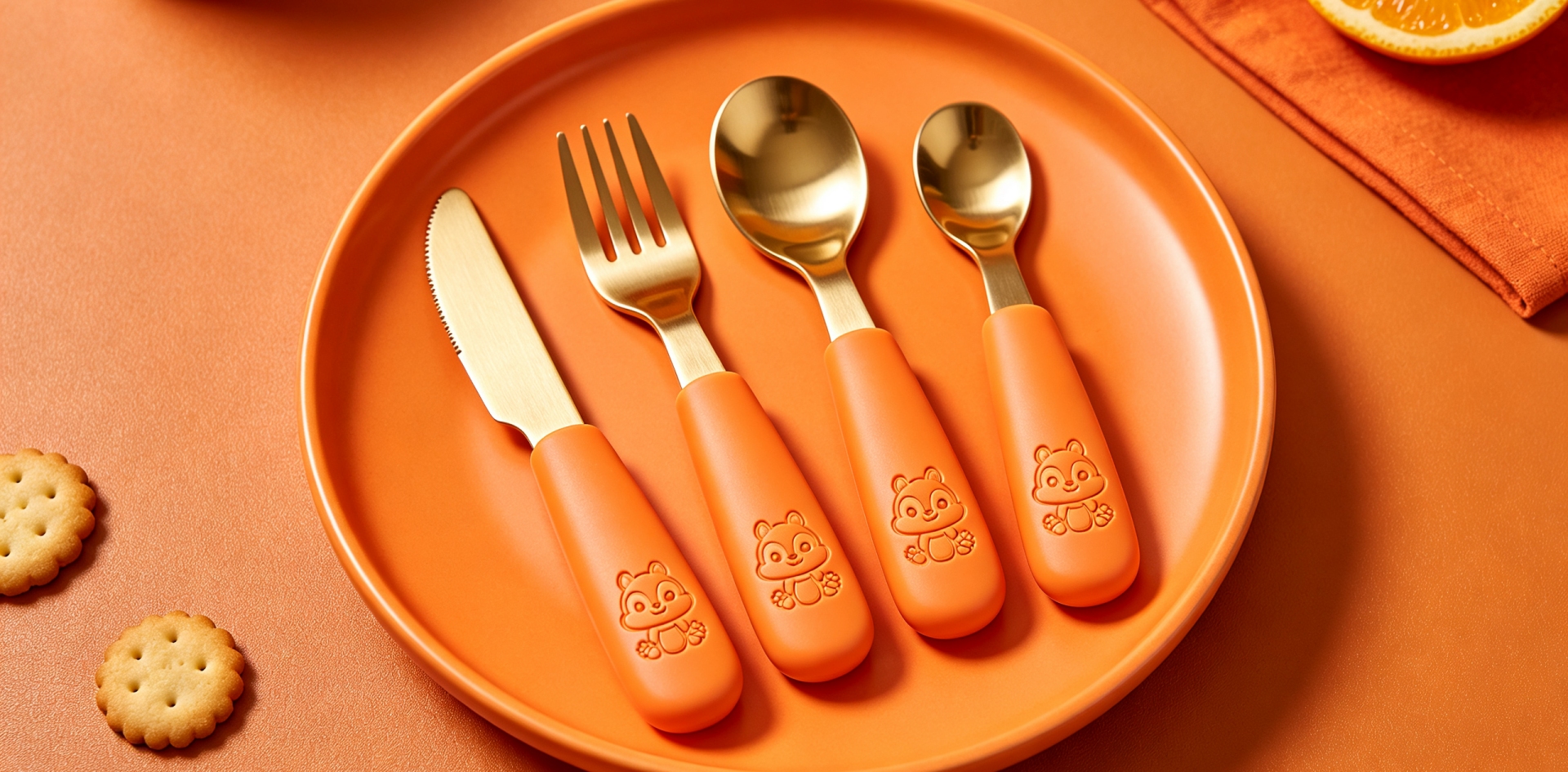
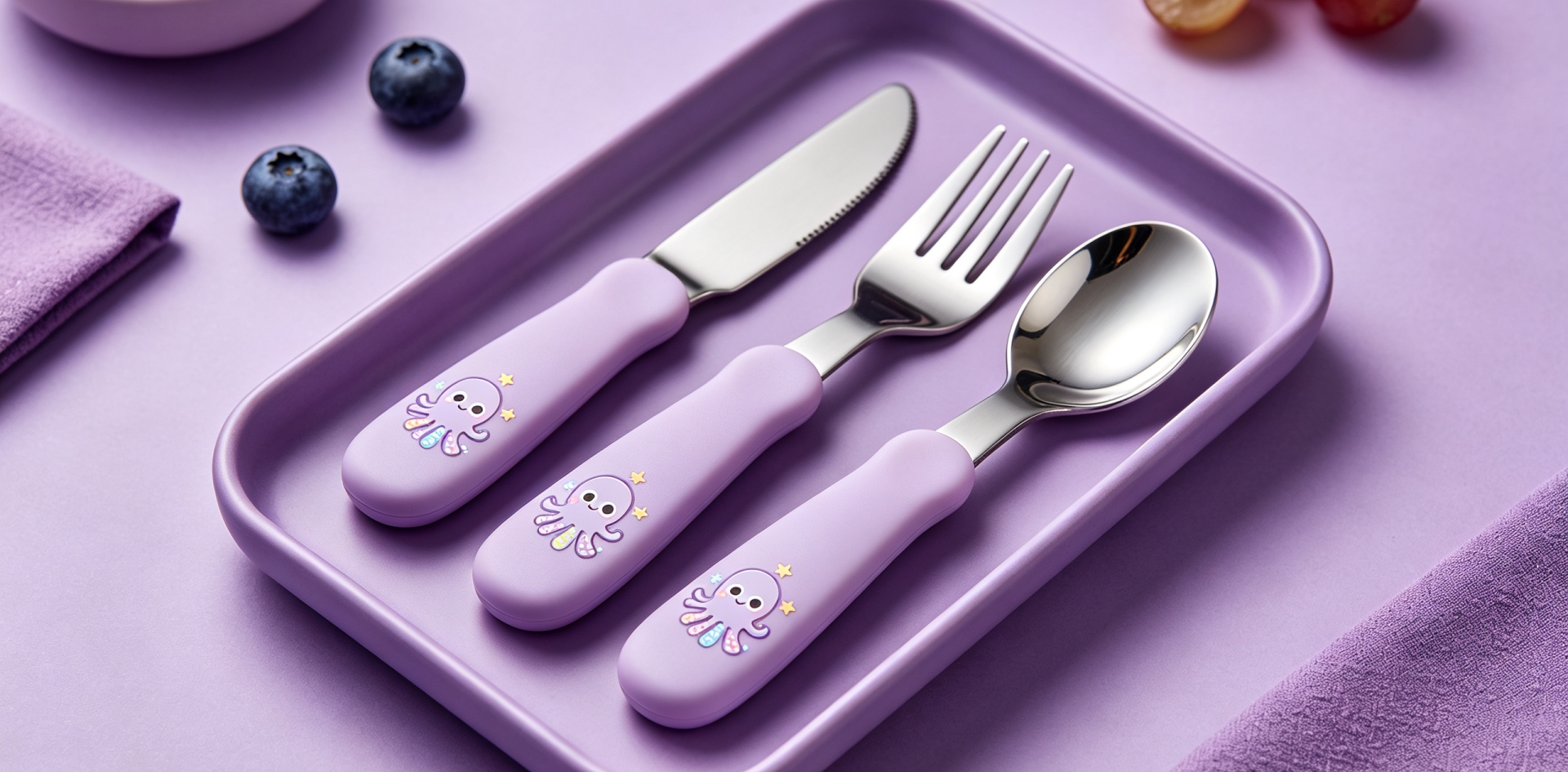
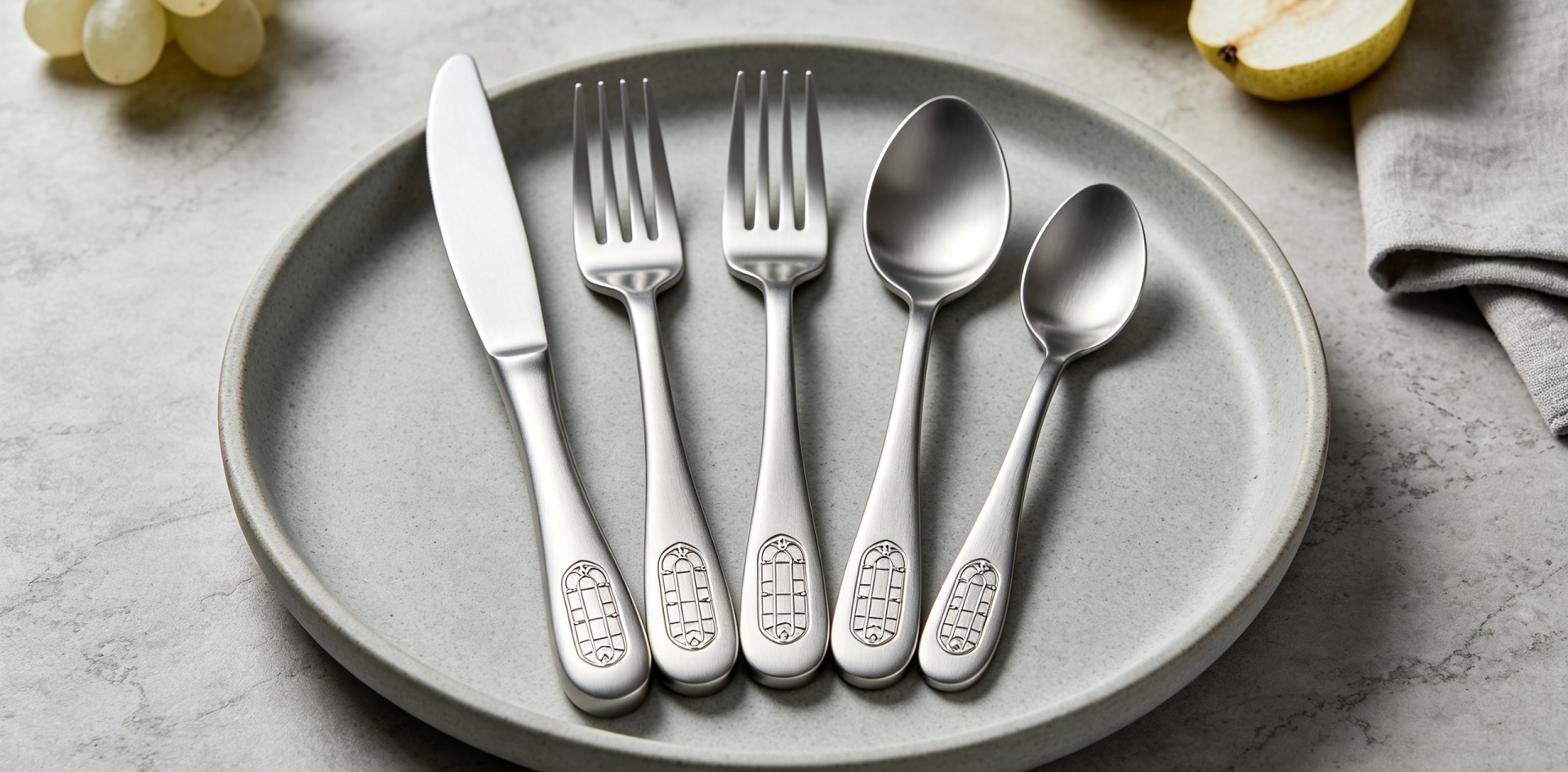
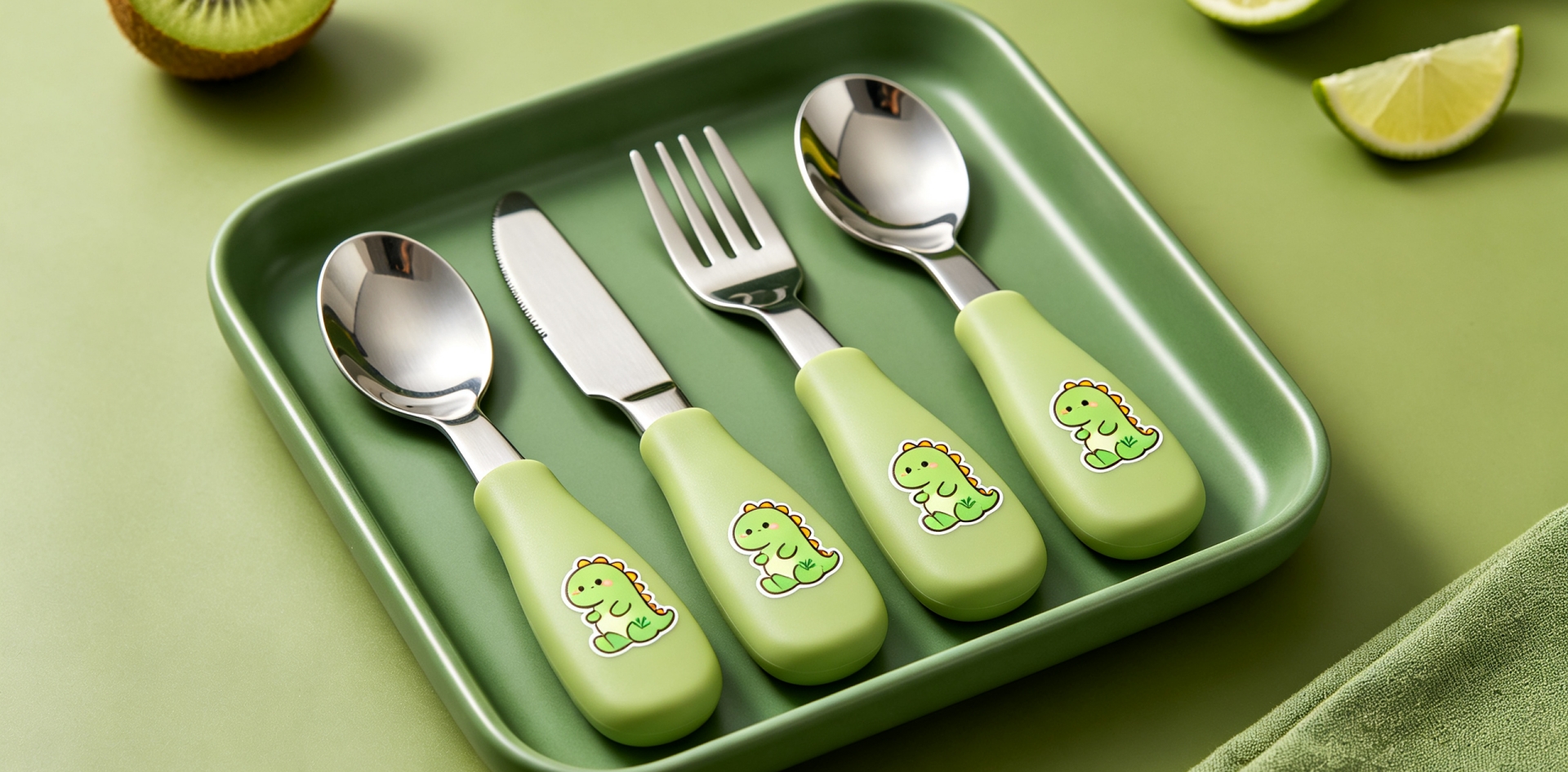
Images help buyers evaluate reflective stainless steel products, but they should remain faithful to the actual item. Product photography should accurately represent the shape, finish, logo, and packaging of the offered spoon, fork, knife, or set.
Different markets may have different expectations for image layouts, text overlays, and product presentation. A distributor may need clean product images for a catalog, while a retailer may request particular image dimensions, backgrounds, or views.
Where images include text, labels, or measurement diagrams, translate the text carefully and verify the technical values. Do not alter product proportions or add visual features that are not part of the supplied configuration.
If a photograph shows customized branding or special packaging, confirm that the relevant artwork is authorized and that the image corresponds to the product being offered. A generic product photo should not imply that a customer-specific logo or package is included as standard.
5. Review Packaging Information and Market Requirements
Packaging content often contains several types of information: product names, piece counts, material descriptions, barcodes, handling details, and customer branding. These elements should be localized and checked separately.
For a retail cutlery set, make sure the translated contents list identifies the correct number and type of utensils. If a box contains six spoons, six forks, and six knives, the packaging should describe that configuration accurately rather than using an ambiguous total.
Any legally required labeling, language, warnings, or product declarations should be checked against the destination market's current rules. Requirements can vary according to product type and market, so buyers should confirm them with the appropriate compliance specialist or local authority.
Do not assume that translating an existing label automatically makes it compliant. The information may need to be reformatted, supplemented, or reviewed before the packaging is approved for production.
6. Build a Controlled Translation and Review Workflow
Product content can become inconsistent when multiple teams edit the same information independently. A structured workflow helps preserve accuracy across catalogs, websites, quotations, packaging files, and retailer submissions.
A practical process includes:
-
Maintain one approved master specification for each product model.
-
Assign a responsible reviewer for each target language.
-
Use a shared glossary for product names and technical terms.
-
Record the revision date and version of each localized document.
-
Check dimensions, material descriptions, set contents, and SKU references.
-
Obtain customer approval for customized packaging or branded artwork.
-
Replace outdated files when an approved revision is released.
Technical content should be reviewed by someone who understands the product, not only by a language specialist. A grammatically correct translation can still be inaccurate if it confuses a teaspoon with a dinner spoon or describes a product set incorrectly.
For important retail or packaging projects, a second review by a local-language professional can help catch awkward wording and market-specific terminology.
7. Align Localized Content with the Quotation Process
Localized catalogs should support the purchasing process rather than create a separate information system. When a customer asks for a quotation, the product name and description should link directly to the correct model, specification, packaging option, and price configuration.
A useful inquiry record includes the buyer's destination market, selected model numbers, expected quantities, requested language, packaging needs, and any customization requirements. This helps the supplier determine which documents need to be prepared for the project.
If a buyer uses a local product name that could refer to several different items, confirm the exact model with a drawing, image, or specification sheet before quoting. This is especially important for wholesale orders containing several spoon, fork, knife, and flatware variations.
8. Measure Quality by Accuracy and Buyer Understanding
The purpose of localization is not simply to produce more translated pages. It is to help buyers understand the product and move through the purchasing process with fewer misunderstandings.
Sales teams can review customer questions, quotation corrections, sample feedback, and recurring terminology issues to identify where product content needs improvement. If buyers repeatedly misunderstand the number of pieces in a set or ask for clarification about dimensions, the relevant product description may need revision.
Keep the review practical. Correct technical information, clear product images, consistent terminology, and reliable model references are more valuable than lengthy descriptions that do not help a buyer make a decision.
Homefelt Support for International Stainless Steel Cutlery Buyers
Homefelt factory supports B2B customers sourcing stainless steel spoons, forks, knives, and complete flatware sets for wholesale and bulk orders. OEM/ODM services can include product customization, private label requirements, packaging coordination, and transportation planning.
For buyers entering a new market, sharing the target country, preferred language, product list, technical specifications, and packaging requirements early can help align the product information with the intended sales channel. Customer-specific wording and artwork can then be reviewed against the approved product details.
To discuss stainless steel cutlery sourcing, bulk orders, or customized flatware projects, contact ingrid@homefelt.net. Include your target models, estimated quantities, destination market, and language or packaging needs to help establish the next steps.
You May Be Interested In
How to Prevent Retailer Chargebacks in Stainless Steel Cutlery Supply
How to Compare Stainless Steel Cutlery Samples Before Choosing a Supplier
Related Article