
Stainless Steel Cutlery Factory Assessment for B2B Buyers
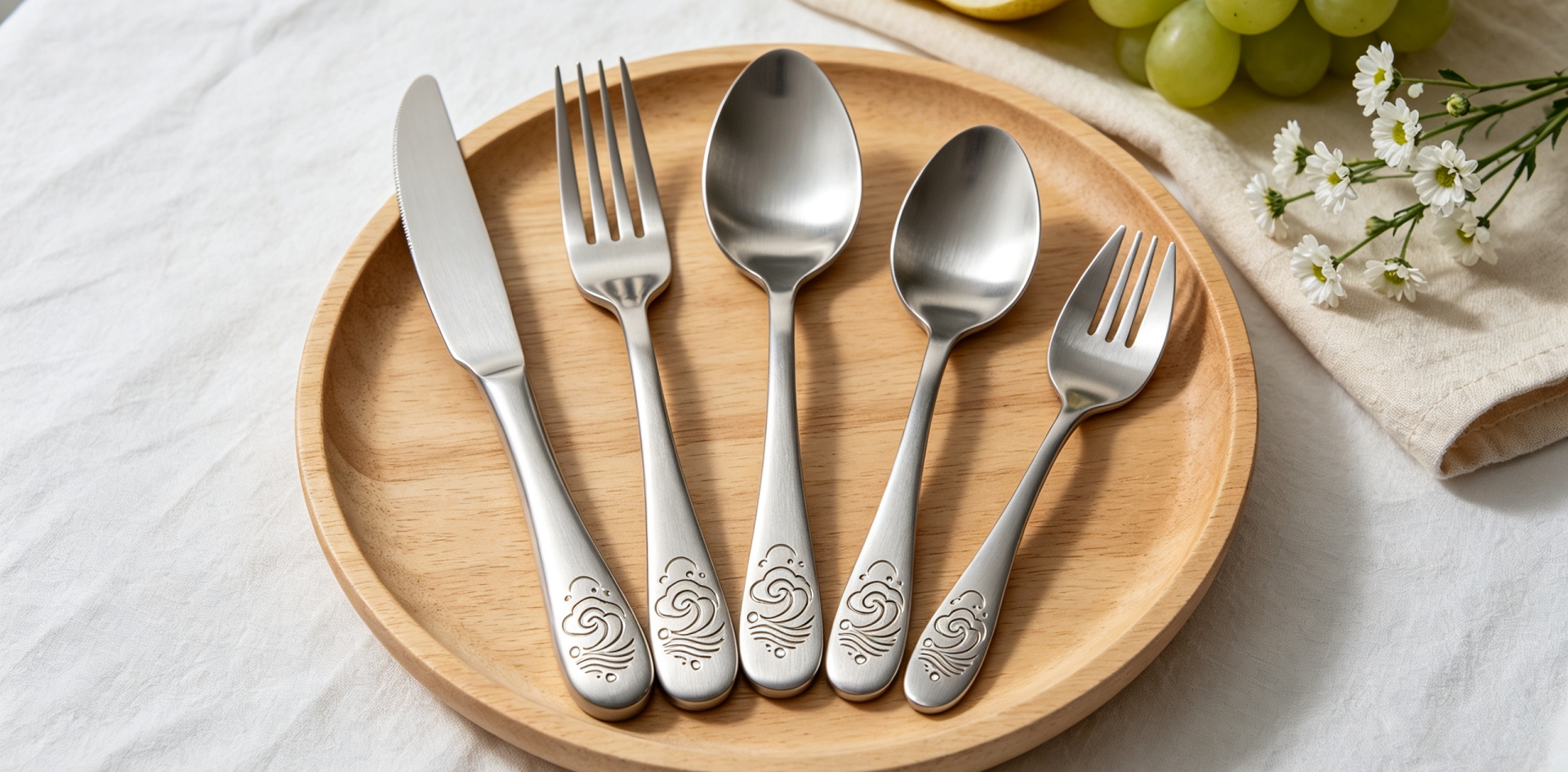
Stainless Steel Cutlery Factory Assessment for B2B Buyers
Choosing a stainless steel cutlery manufacturer involves more than reviewing a product catalog. For B2B buyers planning wholesale, OEM, ODM or private label projects, understanding how a factory operates can provide useful information before moving into larger production.
A factory assessment allows buyers to look beyond individual products and consider whether the manufacturer is suitable for the intended project.
This can be done through an on-site visit, a factory video meeting, product samples, production information or a combination of these methods.
Start With the Factory's Product Focus
The first point to review is whether the manufacturer's core business matches the buyer's requirements.
A factory specializing in stainless steel knives, forks, spoons and flatware sets may have a different production structure from a general trading company that sources many unrelated products.
For B2B buyers, a manufacturer with relevant product experience can make technical communication and custom development more straightforward.
Review the Manufacturing Scope
The buyer can ask what types of stainless steel cutlery the factory regularly produces.
This may include individual knives, forks and spoons, complete flatware sets, custom handles, different surface finishes and private label products.
Understanding the manufacturing scope helps the buyer determine whether the factory can support the current project as well as possible future requirements.
Look at Existing Products
Existing products can provide a practical reference when assessing a factory.
A buyer can review samples or product photographs to understand the manufacturer's typical production quality, design range and finishing capabilities.
For a custom project, existing products can also demonstrate whether the factory has experience working with different shapes, finishes and product configurations.
However, existing products should be viewed as references rather than assumed specifications for a new project.
Discuss Customization Capability
OEM and ODM buyers should pay particular attention to how the factory handles customization.
The buyer can ask whether the factory works from customer drawings, physical samples, product photographs or new design concepts.
Other areas may include custom handles, special finishes, branding and packaging.
A useful factory assessment should focus on whether the manufacturer can turn the buyer's requirements into a reproducible product rather than simply showing a large catalog.
Review Sample Development
Samples can reveal how the factory approaches a new project.
During the sample stage, buyers can evaluate how closely the developed product follows the original design requirements.
Communication during this stage can also show whether technical questions are identified and discussed before production.
For a private label cutlery project, this is particularly useful because the final product may contain details that are not available in the factory's standard catalog.
Understand Production Capacity
Production capacity is another important consideration for B2B buyers.
The buyer should consider whether the factory can support the expected order volume and whether its production structure is suitable for the intended purchasing program.
This does not mean that a larger factory is automatically suitable for every project.
The more important question is whether the manufacturing setup matches the buyer's required products, quantities and expected order frequency.
Discuss Production Planning
A factory assessment can also include a discussion about how production is organized.
The buyer may want to understand how raw materials, manufacturing processes, finishing, inspection and packaging are coordinated.
For a larger stainless steel cutlery order, these stages need to work together efficiently.
Understanding the general production flow can help buyers communicate more effectively with the factory once an order moves forward.
Review Quality Management
Quality management should be considered alongside manufacturing capability.
The buyer can ask how product specifications are communicated internally and how finished stainless steel cutlery is checked during production.
For custom products, the approved sample or specification should provide a clear reference for manufacturing.
The goal is to understand how the factory maintains the required product characteristics across a production run.
Evaluate Communication
A factory can have strong manufacturing capabilities, but communication is also important in an international B2B project.
Buyers may need to discuss product drawings, samples, packaging, quantities and production changes.
During the factory assessment stage, buyers can observe how clearly the manufacturer responds to technical questions and whether project information is communicated in an organized way.
Good communication can become particularly valuable when a project contains multiple stainless steel cutlery products.
Ask About Long-Term Product Support
A factory assessment does not have to focus only on the first order.
If the buyer expects to reorder the same products, it can be useful to discuss how the factory handles repeat production.
The buyer may also want to understand whether the manufacturer can support additional products as the collection grows.
This is relevant for brands developing a long-term private label stainless steel flatware range.
On-Site or Remote Factory Assessment
Not every international buyer can visit a factory before placing an order.
A remote assessment can still provide useful information.
A video meeting can allow the buyer to see production areas, equipment, samples and other parts of the manufacturing environment.
The buyer can also prepare questions in advance and request relevant product samples.
An on-site visit can provide more direct observation, while a remote assessment can be a practical alternative when travel is not convenient.
What B2B Buyers Should Prepare
Before assessing a stainless steel cutlery factory, buyers can prepare a short list of project requirements.
Useful information may include:
Product types
Target market
Custom design requirements
Estimated quantity
Preferred material
Surface finish
Branding requirements
Packaging expectations
Expected repeat orders
Providing this information gives the manufacturer enough context to explain how the factory can support the project.
Homefelt Factory for Stainless Steel Cutlery
Homefelt factory specializes in stainless steel knives, forks, spoons and complete flatware sets for B2B customers.
The factory supports OEM, ODM and private label manufacturing for wholesalers, distributors, retailers and brands, together with wholesale and large-volume production.
For new projects, buyers can provide drawings, photographs, reference samples or product concepts for discussion.
The factory can then work with the buyer on product development and manufacturing requirements according to the intended project.
Assess the Factory Before the Bulk Order
A factory assessment gives B2B buyers an opportunity to understand the manufacturer before committing to larger production.
Rather than looking only at the unit price, buyers can review product experience, customization capability, sample development, manufacturing scope, quality management and communication.
For stainless steel cutlery projects, these factors can help buyers understand whether a factory is equipped to support the products and quantities they require.
If you are sourcing stainless steel knives, forks, spoons or complete flatware sets for OEM, ODM, private label or wholesale production, you can share your project requirements with the factory and arrange a product and manufacturing discussion.
Custom Stainless Steel Cutlery Manufacturing
OEM and ODM Stainless Steel Flatware
Private Label Cutlery Production
Stainless Steel Cutlery Order Consolidation for B2B Buyers
Stainless Steel Cutlery Price Range Planning for B2B Brands
Related Article



